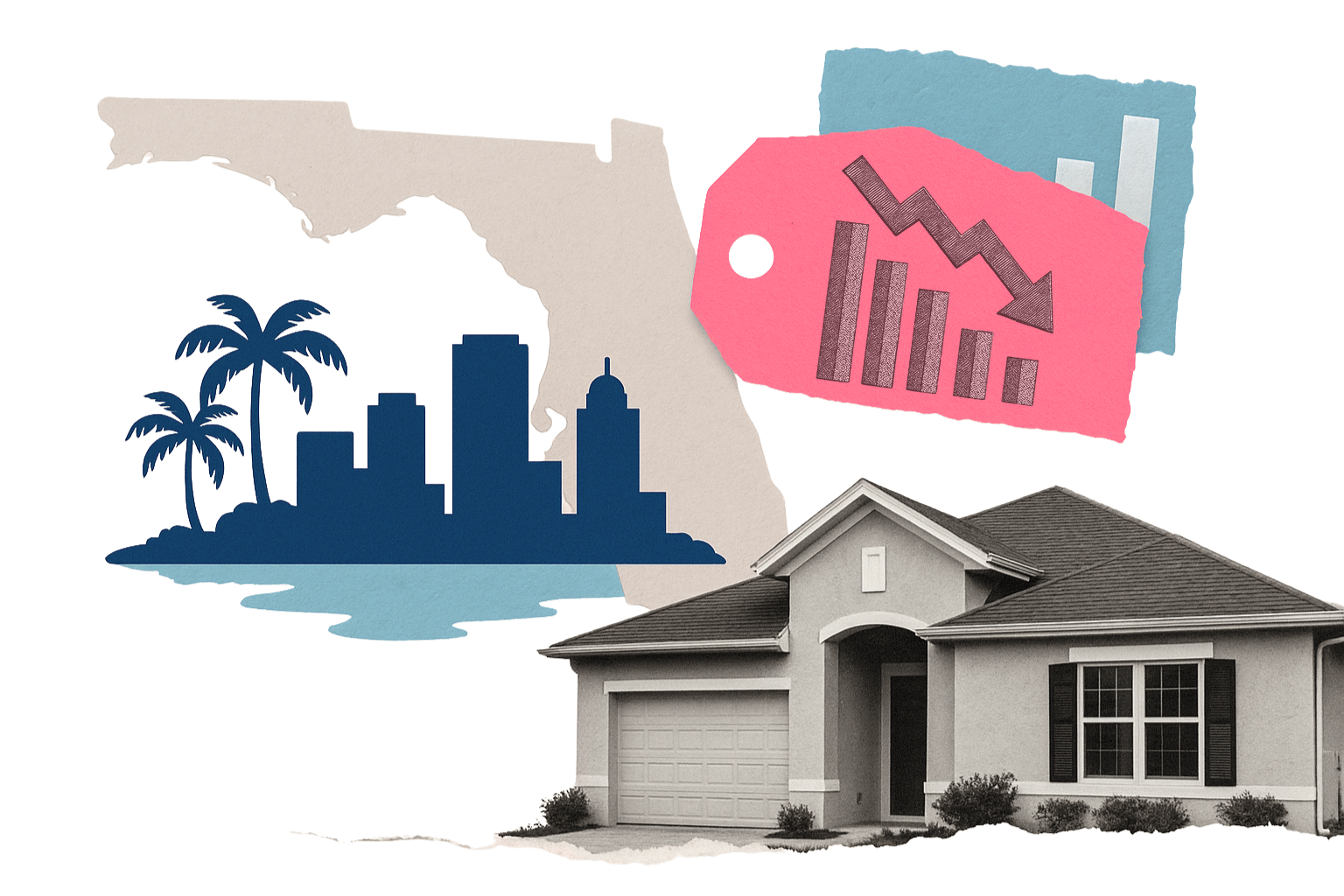
Florida’s turbulent property insurance market may finally be calming — but lawmakers from both parties agree on one thing: the work is far from finished. From expanded oversight to a statewide claim‑free rewards initiative, this year’s legislative session is packed with proposals aimed at easing the financial burden on millions of homeowners.
State leaders may declare the insurance crisis “stabilized,” but Floridians still pay among the highest premiums in the nation. This disconnect has sparked a new wave of reforms targeting transparency, pricing fairness, and consumer relief.
How We Got Here: The Post‑2022 Insurance Shakeup
In 2022, Florida was spiraling into an insurance collapse. Companies failed, rates exploded, and homeowners saw yearly increases of 20–40% or more. Lawmakers responded aggressively, curbing litigation incentives and restricting attorney fees in disputed claims.
Now, with 17 new insurers entering the market and rates finally showing signs of leveling off, regulators are cautiously optimistic. Insurance Commissioner Mike Yaworsky emphasized, “We can show unequivocally that this marketplace has stabilized… we have more options for people than we have in decades.”
This article draws on reporting from the Tallahassee Democrat / USA Today Network, whose coverage continues to shape understanding of Florida’s evolving insurance market.
1. Cracking Down on Profit‑Sharing Affiliates
Rep. Kimberly Berfield of Clearwater is championing a bill tackling the opaque profit‑sharing networks between insurers and their affiliate companies. These arrangements have quietly siphoned off billions — even as some insurers neared insolvency.
Her bill would give the Office of Insurance Regulation expanded authority to ensure affiliate payments are “reasonable” and not tools for hidden profit extraction. Despite industry resistance, the proposal won unanimous bipartisan approval in its first committee.
2. Revealing What’s Really Inside Your Premium
Another proposal targets one of Florida’s most tightly protected secrets: how your premium is actually calculated. Currently, many pricing elements are shielded as “trade secrets.”
The new bill would require insurers to provide a detailed annual cost breakdown at every renewal — giving homeowners a clearer understanding of what they’re paying for and why.
3. A Claim‑Free Rewards Program for Florida Homeowners
Under this bipartisan plan, homeowners who maintain a claim‑free record for 36 months — even if prior claims were storm-related — could earn a statewide, actuarially sound discount.
Rep. Jervonte Edmonds says the idea is simple: “Reward people who are doing the right thing.” Though early in the legislative process, the proposal has generated buzz among consumer advocates and policymakers.
What This Means for Real Estate Professionals
For Realtors, lenders, and insurance agents, stabilizing premiums could unlock pent‑up buyer demand, boost affordability metrics, and help hesitant homeowners regain confidence.
Professionals who stay educated on insurance trends gain a competitive edge — and that’s where trusted education partners like Cameron Academy shine. From pre‑licensing to continuing education across multiple industries, staying informed means staying ahead.
Florida’s Insurance Future: Stabilized, but Still Evolving
Despite optimistic headlines, lawmakers know Floridians still feel the squeeze. Oversight reforms, transparency requirements, and consumer reward programs could reshape the market again in 2026.
For now, all eyes remain on the Legislature — and on the professionals navigating Florida’s dynamic real estate and insurance landscape.
More Articles
Getting licensed or staying ahead in your career can be a journey—but it doesn’t have to be overwhelming. Grab your favorite coffee or tea, take a moment to relax, and browse through our articles. Whether you’re just starting out or renewing your expertise, we’ve got tips, insights, and advice to keep you moving forward. Here’s to your success—one sip and one step at a time!
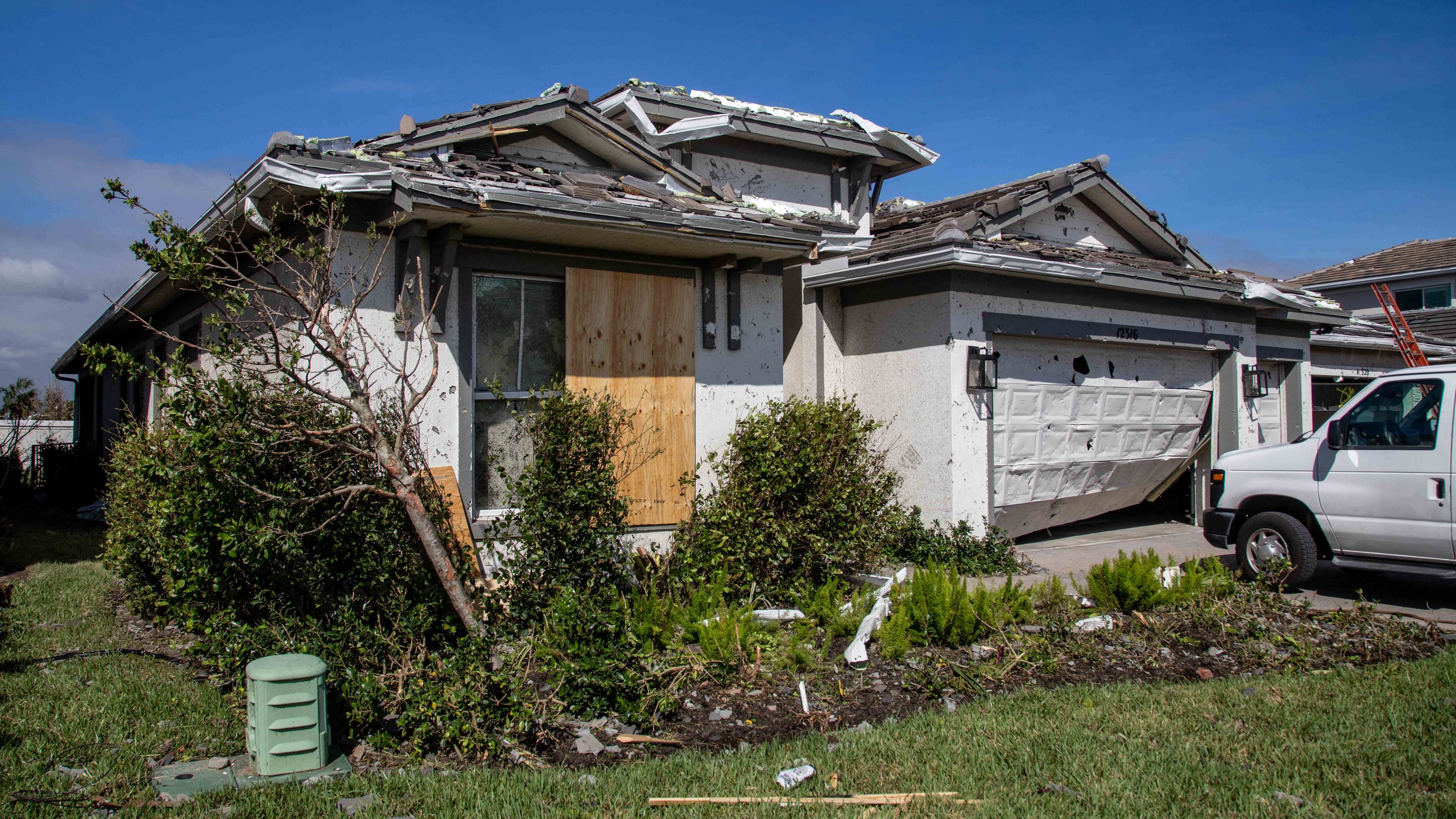
Fort Myers Beach is becoming the front line of a new Florida—one shaped by hurricane devastation, soaring insurance premiums, and rapid gentrification. Three years after Hurricane Ian, residents are still battling massive rebuilding costs and insurance bills that now exceed $5,700 a year on average, with flood insurance reaching $10,000 for some families. Long-time locals, small businesses, and service workers are being priced out as wealthy investors move in, transforming once-affordable coastal communities. Real estate professionals warn that foreclosures may rise if economic pressures continue, signaling a pivotal moment for Florida’s housing market and the professionals who serve it.
Economic uncertainty, AI disruption, slowing population growth, and rising portfolio risk are reshaping commercial real estate heading into 2026. A new report unveiled at NAR NXT highlights the forces that will reward informed professionals — and challenge those who aren’t prepared. From fiscal policy and shifting capital flows to tech transformation and housing shortages, the landscape is evolving fast. Cameron Academy breaks down the key issues so real estate, mortgage, finance, and insurance professionals can stay ahead of the curve.
A sudden federal shutdown of FEMA’s BRIC resiliency program has left cities and commercial property owners scrambling, exposing billions in real estate to rising climate threats. With nearly a billion dollars in mitigation funding clawed back and extreme weather intensifying, insurance premiums are expected to surge and coverage may shrink — placing new pressure on markets like Florida and New York.
A new Florida Senate bill aims to stop cities and counties from blocking residential developments over vague “compatibility” concerns. Supporters say the measure would speed up homebuilding and ease housing shortages, while opponents argue it strips communities of essential oversight and could accelerate growth without proper planning. The proposal could reshape development timelines and land-use decisions statewide, making it a major issue for real estate professionals to watch.
Cape Coral–Fort Myers has officially moved into buyer-friendly territory, with homes now sitting a median 119 days on the market—far longer than both the Florida and U.S. averages. Rising inventory, a 36.9 percent price‑reduction rate, and slower absorption compared to accumulated supply are giving buyers more leverage and time to negotiate, signaling a meaningful reset in this once‑fast‑moving Florida market.
Kansas City’s commercial real estate sector is finally turning a corner after several years of sluggish activity. Retail is leading the rebound, while multifamily and industrial properties are gaining traction as pricing stabilizes and buyer confidence returns. A standout 2025 transaction—the sale of the 380‑unit Cyan Southcreek community—signals that capital is flowing back into the market. With bid‑ask spreads tightening and investor optimism rising, Kansas City is entering a period of renewed opportunity for real estate professionals and investors alike.

 Florida’s Middle Class Is Being Squeezed Out: Insurance Costs, Rebuilding Struggles, and a Changing Coastline Gallery