Florida’s turbulent property insurance market may finally be calming — but lawmakers from both parties agree on one thing: the work is far from finished. From expanded oversight to a statewide claim‑free rewards initiative, this year’s legislative session is packed with proposals aimed at easing the financial burden on millions of homeowners.
State leaders may declare the insurance crisis “stabilized,” but Floridians still pay among the highest premiums in the nation. This disconnect has sparked a new wave of reforms targeting transparency, pricing fairness, and consumer relief.
How We Got Here: The Post‑2022 Insurance Shakeup
In 2022, Florida was spiraling into an insurance collapse. Companies failed, rates exploded, and homeowners saw yearly increases of 20–40% or more. Lawmakers responded aggressively, curbing litigation incentives and restricting attorney fees in disputed claims.
Now, with 17 new insurers entering the market and rates finally showing signs of leveling off, regulators are cautiously optimistic. Insurance Commissioner Mike Yaworsky emphasized, “We can show unequivocally that this marketplace has stabilized… we have more options for people than we have in decades.”
This article draws on reporting from the Tallahassee Democrat / USA Today Network, whose coverage continues to shape understanding of Florida’s evolving insurance market.
1. Cracking Down on Profit‑Sharing Affiliates
Rep. Kimberly Berfield of Clearwater is championing a bill tackling the opaque profit‑sharing networks between insurers and their affiliate companies. These arrangements have quietly siphoned off billions — even as some insurers neared insolvency.
Her bill would give the Office of Insurance Regulation expanded authority to ensure affiliate payments are “reasonable” and not tools for hidden profit extraction. Despite industry resistance, the proposal won unanimous bipartisan approval in its first committee.
2. Revealing What’s Really Inside Your Premium
Another proposal targets one of Florida’s most tightly protected secrets: how your premium is actually calculated. Currently, many pricing elements are shielded as “trade secrets.”
The new bill would require insurers to provide a detailed annual cost breakdown at every renewal — giving homeowners a clearer understanding of what they’re paying for and why.
3. A Claim‑Free Rewards Program for Florida Homeowners
Under this bipartisan plan, homeowners who maintain a claim‑free record for 36 months — even if prior claims were storm-related — could earn a statewide, actuarially sound discount.
Rep. Jervonte Edmonds says the idea is simple: “Reward people who are doing the right thing.” Though early in the legislative process, the proposal has generated buzz among consumer advocates and policymakers.
What This Means for Real Estate Professionals
For Realtors, lenders, and insurance agents, stabilizing premiums could unlock pent‑up buyer demand, boost affordability metrics, and help hesitant homeowners regain confidence.
Professionals who stay educated on insurance trends gain a competitive edge — and that’s where trusted education partners like Cameron Academy shine. From pre‑licensing to continuing education across multiple industries, staying informed means staying ahead.
Florida’s Insurance Future: Stabilized, but Still Evolving
Despite optimistic headlines, lawmakers know Floridians still feel the squeeze. Oversight reforms, transparency requirements, and consumer reward programs could reshape the market again in 2026.
For now, all eyes remain on the Legislature — and on the professionals navigating Florida’s dynamic real estate and insurance landscape.
More Articles
Getting licensed or staying ahead in your career can be a journey—but it doesn’t have to be overwhelming. Grab your favorite coffee or tea, take a moment to relax, and browse through our articles. Whether you’re just starting out or renewing your expertise, we’ve got tips, insights, and advice to keep you moving forward. Here’s to your success—one sip and one step at a time!
Florida’s property insurance system is once again spiraling as new “market-friendly” reforms fail to stabilize rising premiums, insurer failures, and mounting homeowner frustration. Despite aggressive efforts to shift policyholders from Citizens to private carriers, many of the new insurers stepping in are tied to past insolvencies, questionable ratings, and political influence. For real estate, mortgage, and insurance professionals, these systemic cracks are reshaping closings, valuations, and risk across the state—making it essential to stay ahead of ongoing regulatory and market shifts.
Commercial real estate is heading into a turning‑point year in 2026, driven by economic uncertainty, AI‑powered transformation, shifting demographics and rising portfolio risk. Insights from The Counselors of Real Estate highlight the top issues shaping the year ahead—from fiscal pressures and capital constraints to housing shortages, global volatility and the future of data‑driven decision‑making. For real estate, mortgage, insurance and finance professionals, these trends offer a clear roadmap for staying competitive and preparing for the next wave of industry change.
AI-powered tools, fraud protection systems, and smarter MLS integrations are sweeping through the real estate industry as major organizations adopt new technologies. From RealReports hitting its 50th partnership to BeachesMLS unveiling instant AI home visualizations and Doorify boosting security, professionals are seeing rapid advancements that promise sharper insights, safer transactions, and more efficient rental workflows. This evolving tech landscape underscores the importance of staying educated and adaptable — especially for agents preparing for a competitive, AI-enhanced 2025 market.
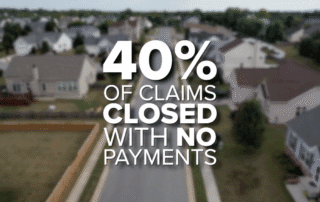
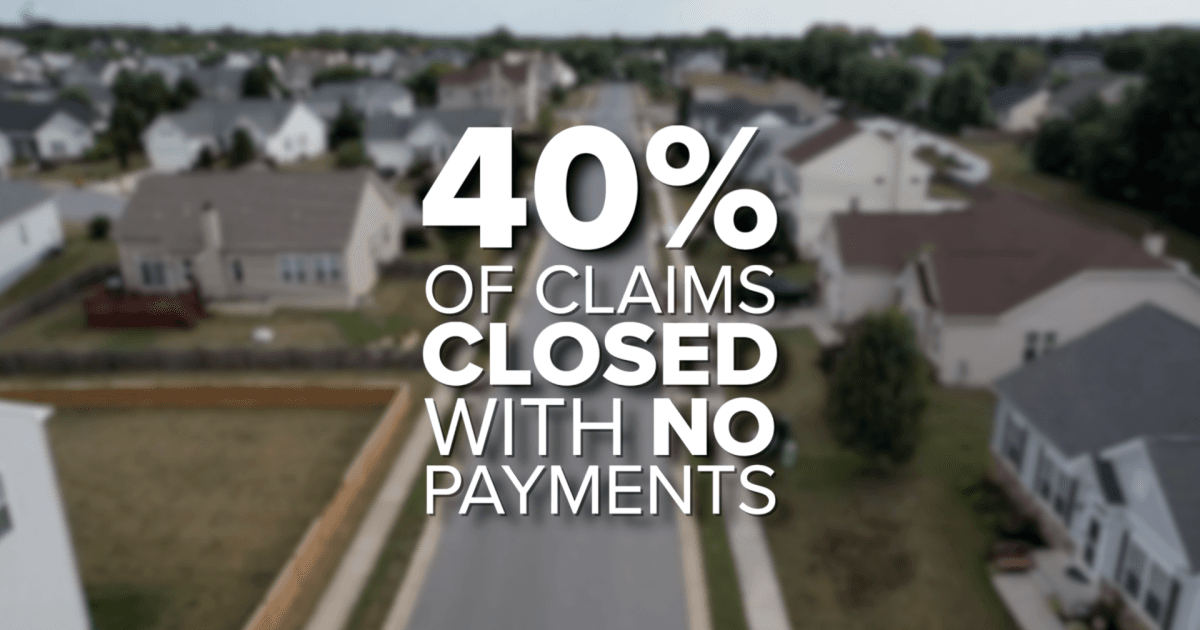
Florida homeowners are being hit with the highest insurance premiums in the nation, averaging $5,838 per year—nearly double the U.S. average. As costs skyrocket, many residents are reporting denied claims, non‑renewals, and impossible financial choices. New investigations reveal that more than 40 percent of claims in Florida close with no payment, while lawmakers push for transparency, fair pricing, and meaningful reform to stabilize a market that’s rapidly becoming unsustainable.
Vend Park, a Boston-based proptech company, has raised $17.5 million in Series A funding to reinvent parking as a high-performing commercial real estate asset. By replacing outdated operator–vendor systems with a unified AI-driven platform, Vend Park is helping major property owners boost NOI by up to 30%, slash operating costs, and modernize the tenant experience. As the company expands from three to fifteen cities and partners with giants like Nuveen and Jamestown, its technology highlights a major shift: real estate professionals must now understand AI, automation, and digital infrastructure to stay competitive.
Keller Williams Realty Atlanta Partners has formed an exclusive partnership with Southeast Mortgage, Georgia’s largest non‑bank mortgage lender. The collaboration promises faster, tech‑enhanced transactions for both agents and homebuyers, combining real estate expertise with streamlined mortgage services. This move reflects a growing trend toward integrated real‑estate ecosystems designed to reduce delays, boost transparency, and modernize the homebuying experience.