Florida’s turbulent property insurance market may finally be calming — but lawmakers from both parties agree on one thing: the work is far from finished. From expanded oversight to a statewide claim‑free rewards initiative, this year’s legislative session is packed with proposals aimed at easing the financial burden on millions of homeowners.
State leaders may declare the insurance crisis “stabilized,” but Floridians still pay among the highest premiums in the nation. This disconnect has sparked a new wave of reforms targeting transparency, pricing fairness, and consumer relief.
How We Got Here: The Post‑2022 Insurance Shakeup
In 2022, Florida was spiraling into an insurance collapse. Companies failed, rates exploded, and homeowners saw yearly increases of 20–40% or more. Lawmakers responded aggressively, curbing litigation incentives and restricting attorney fees in disputed claims.
Now, with 17 new insurers entering the market and rates finally showing signs of leveling off, regulators are cautiously optimistic. Insurance Commissioner Mike Yaworsky emphasized, “We can show unequivocally that this marketplace has stabilized… we have more options for people than we have in decades.”
This article draws on reporting from the Tallahassee Democrat / USA Today Network, whose coverage continues to shape understanding of Florida’s evolving insurance market.
1. Cracking Down on Profit‑Sharing Affiliates
Rep. Kimberly Berfield of Clearwater is championing a bill tackling the opaque profit‑sharing networks between insurers and their affiliate companies. These arrangements have quietly siphoned off billions — even as some insurers neared insolvency.
Her bill would give the Office of Insurance Regulation expanded authority to ensure affiliate payments are “reasonable” and not tools for hidden profit extraction. Despite industry resistance, the proposal won unanimous bipartisan approval in its first committee.
2. Revealing What’s Really Inside Your Premium
Another proposal targets one of Florida’s most tightly protected secrets: how your premium is actually calculated. Currently, many pricing elements are shielded as “trade secrets.”
The new bill would require insurers to provide a detailed annual cost breakdown at every renewal — giving homeowners a clearer understanding of what they’re paying for and why.
3. A Claim‑Free Rewards Program for Florida Homeowners
Under this bipartisan plan, homeowners who maintain a claim‑free record for 36 months — even if prior claims were storm-related — could earn a statewide, actuarially sound discount.
Rep. Jervonte Edmonds says the idea is simple: “Reward people who are doing the right thing.” Though early in the legislative process, the proposal has generated buzz among consumer advocates and policymakers.
What This Means for Real Estate Professionals
For Realtors, lenders, and insurance agents, stabilizing premiums could unlock pent‑up buyer demand, boost affordability metrics, and help hesitant homeowners regain confidence.
Professionals who stay educated on insurance trends gain a competitive edge — and that’s where trusted education partners like Cameron Academy shine. From pre‑licensing to continuing education across multiple industries, staying informed means staying ahead.
Florida’s Insurance Future: Stabilized, but Still Evolving
Despite optimistic headlines, lawmakers know Floridians still feel the squeeze. Oversight reforms, transparency requirements, and consumer reward programs could reshape the market again in 2026.
For now, all eyes remain on the Legislature — and on the professionals navigating Florida’s dynamic real estate and insurance landscape.
More Articles
Getting licensed or staying ahead in your career can be a journey—but it doesn’t have to be overwhelming. Grab your favorite coffee or tea, take a moment to relax, and browse through our articles. Whether you’re just starting out or renewing your expertise, we’ve got tips, insights, and advice to keep you moving forward. Here’s to your success—one sip and one step at a time!
Cybercrime in 2025 has evolved into a full‑scale service economy, with malware now available through subscription platforms that operate like mainstream tech businesses. Bitsight’s latest analysis reveals explosive growth in Malware‑as‑a‑Service tools, rising attacks across industries like healthcare, finance, tech, and real estate, and a surge in cross‑platform malware and supply‑chain exploits. For professionals in any licensed field, the message is clear: today’s digital landscape demands heightened vigilance, stronger identity security, and proactive defense against an increasingly organized underground threat environment.
A new proptech startup in the UAE, Gllit is redefining how property deals happen by removing agents, eliminating commissions, and integrating AI tools that let users create professional listings in seconds. With a fast, transparent, and direct-to-owner model, Gllit offers a glimpse into the future of global real estate — and a powerful case study for U.S. professionals preparing for tech-driven changes in the industry.
The 2026 housing market is shaping up to be a year of stability with a few surprises. Mortgage rates are expected to hold steady, home price growth is slowing, and yet ownership costs continue to rise due to soaring taxes and insurance. Meanwhile, renting is becoming more attractive as affordability improves and built‑to‑rent communities expand. This breakdown highlights the biggest trends ahead — and what they mean for buyers, sellers, and real estate professionals, especially in Florida.
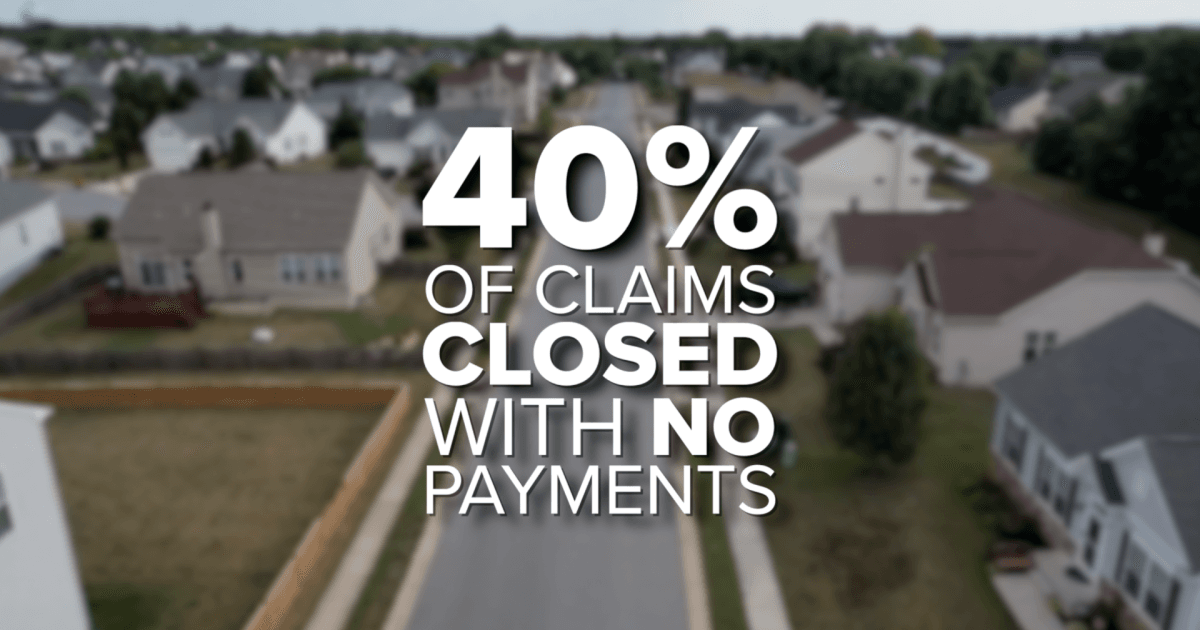
Florida homeowners are facing some of the highest insurance premiums in the nation, with average costs now topping $5,800 per year—about $3,000 above the U.S. average. Many residents report their rates have doubled or even tripled, while more than 40 percent of claims are closed with no payment. As frustration grows, state lawmakers and consumer advocates are pushing for transparency, rate caps, and incentives to help storm‑proof homes. The outcome of these reform efforts could reshape Florida’s real estate market, insurance landscape, and affordability for years to come.
A new global study from Risk.net and SAS reveals that many insurance companies are still making key decisions in isolated silos, despite industry-wide pushes toward data-driven strategies. While most leaders claim to have a clear vision, 38 percent admit they lack a real-time view of risks, revenue and costs. With poor data quality, limited collaboration and outdated processes holding teams back, experts say the industry is poised for a major transformation through AI, analytics and unified strategy—offering lessons for professionals across insurance, real estate, finance and other regulated fields.
Atlanta’s housing market is shifting into a more balanced and predictable phase. Prices have leveled off, inventory has finally caught up, and mortgage rates are easing enough to bring buyers back into the game. With steady demand, growing listings, and only mild price corrections forecasted into 2026, Atlanta remains one of the Southeast’s strongest real estate markets for buyers, sellers, and investors alike.