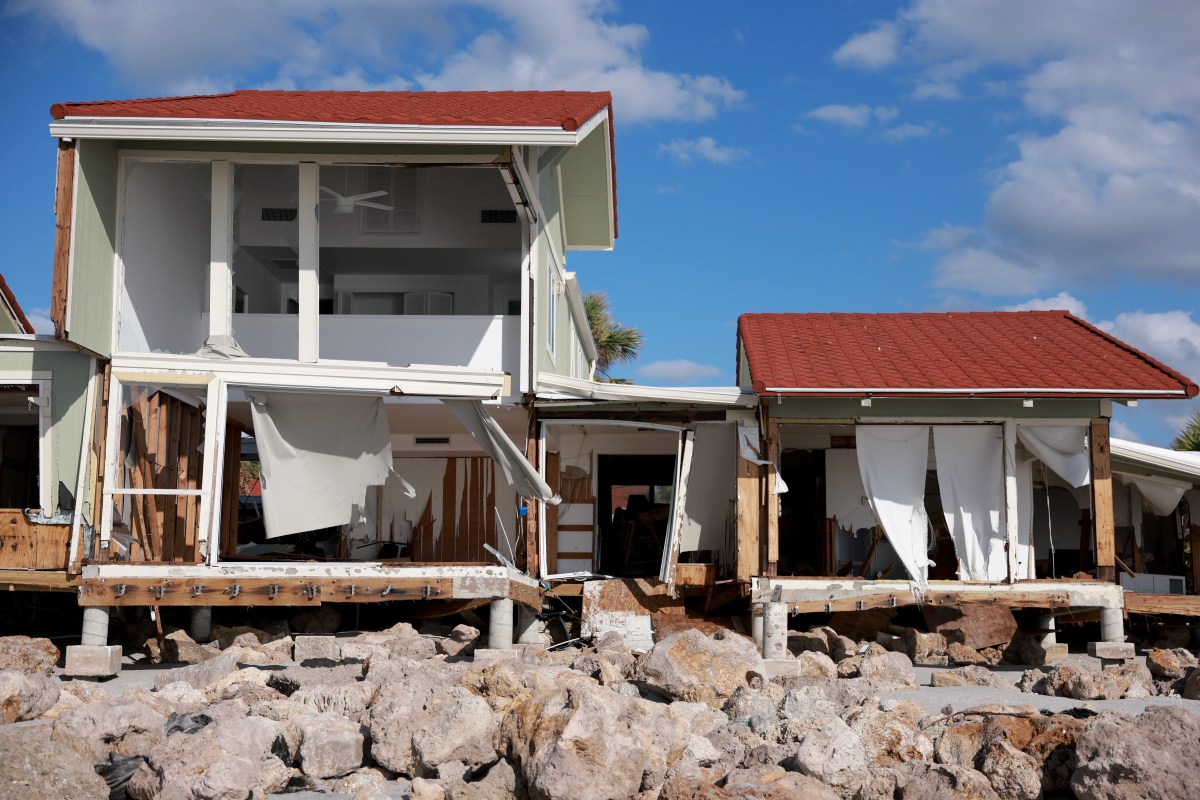
Storm damaged coastal home

Florida’s Insurance Turmoil Draws Federal Scrutiny — And Why It Matters for Real Estate and Mortgage Professionals

A fresh investigation has been opened into the Florida insurance landscape, and it’s raising alarms from Washington to Miami. Three U.S. senators have launched a formal inquiry into Demotech — the ratings firm whose assessments determine which insurers remain eligible for mortgages backed by Fannie Mae and Freddie Mac. The concern? That “lightly regulated” ratings may be exposing America’s largest mortgage players, and ultimately taxpayers, to a potential market collapse.

Why This Matters More Than Ever

Demotech has been a central figure in Florida’s volatile insurance market for decades, originally created to rate smaller insurers that bigger agencies wouldn’t touch. But despite holding the majority of ratings in Florida, a troubling pattern has emerged: insurers with strong Demotech ratings have still gone insolvent — more than 20 percent between 2009 and 2022.

A joint study from Columbia Business School, Harvard Business School, and the Federal Reserve Board found that over 60 percent of Florida insurers held a Demotech rating — far more than in any other state. This means the state’s entire housing ecosystem, from homeowners to lenders, is deeply intertwined with the firm’s methodology.

The Federal Concern

Fannie Mae and Freddie Mac together back most of the 51 million residential mortgages in the U.S. Yet both institutions have accepted a minimum “A” rating from Demotech since the late 1980s — without reevaluating whether that rating still meets modern risk standards.

Lawmakers argue this may allow private lenders to pass riskier, climate‑vulnerable mortgages into the federal system, where taxpayers ultimately bear the consequences. In their letter, Senators Sheldon Whitehouse, Ron Wyden, and Elizabeth Warren warn that a climate‑driven insurance collapse in Florida could ripple through mortgage‑backed securities, triggering defaults and destabilizing the national market — a scenario they compare to the 2008 financial crisis.

What People Are Saying

“Demotech’s deep involvement in the Florida insurance market — and its repeated methodological shortcomings — raise profound governance and reliability concerns,” the senators wrote.

Bob Warren, ratings manager at Demotech, defended the company, saying that no firm can predict insolvency 18 months out — and that ratings should not extend further than a 12‑month projection.

What’s Next?

Lawmakers are demanding answers. They’ve asked Fannie Mae and Freddie Mac to strengthen oversight of insurer risk and provide detailed explanations of their risk‑management processes by January 13, 2026.

The outcome could reshape how insurers are rated, how mortgages are approved, and how risk is measured in high‑exposure states like Florida.

Why Professionals Should Pay Attention

For real estate agents, mortgage brokers, insurance professionals, and anyone navigating Florida’s unique housing landscape, this investigation signals long‑term shifts in how property risk is evaluated. Understanding these changes is critical for advising clients, anticipating market shifts, and protecting your business.

If you’re expanding your skills or pursuing a new license in real estate, insurance, or finance, institutions like Cameron Academy help professionals stay ahead of regulatory, economic, and market‑driven changes shaping the industry.

This story is still developing. For the original reporting, visit the full article on Newsweek.

More Articles

Getting licensed or staying ahead in your career can be a journey—but it doesn’t have to be overwhelming. Grab your favorite coffee or tea, take a moment to relax, and browse through our articles. Whether you’re just starting out or renewing your expertise, we’ve got tips, insights, and advice to keep you moving forward. Here’s to your success—one sip and one step at a time!

2026 Western U.S. Commercial Real Estate Forecast: Key Market Shifts Professionals Need to Know

The Western U.S. commercial real estate sector is gearing up for a pivotal year in 2026, with new forecasts from Kidder Mathews showing steady economic growth, moderating inflation, and improving fundamentals across office, industrial, retail, and multifamily markets. From slow but stabilizing office recovery to strong retail performance and tightening industrial demand, the region is entering a period of rebalancing that presents fresh opportunities for real estate and related professionals.

January’s Weak Job Growth Signals a Cooling Economy — And New Pressure on the Fed

A delayed federal jobs report has pushed ADP’s data into the spotlight, revealing that private employers added just 22,000 jobs in January — far below expectations. Revised December numbers and ongoing declines in key sectors like professional services and manufacturing point to a cooling labor market heading into 2025. While wage growth remains steady, uneven job creation across regions and industries is raising new questions about future interest‑rate cuts and what this shifting economy means for professionals in fields like real estate, mortgage, insurance, and finance.

Smart and Sustainable Homes Redefine Luxury Living in Nashville’s 2026 Market

Nashville’s booming tech-driven population is transforming luxury real estate, making smart technology and eco‑friendly design the new standard. From AI‑powered adaptive living and advanced security systems to high‑efficiency construction and green incentives, the city’s top communities—Brentwood, Franklin, and Nolensville—are leading a movement toward intelligent, energy‑saving homes that offer long‑term value and modern comfort.

Florida Homeowners Face Another Year Without Insurance Relief as Lawmakers Pause Reform Efforts

Florida legislators have confirmed that no new insurance relief is coming in 2026, leaving homeowners to grapple with rising premiums and shrinking options. While Republican leaders argue that past reforms simply need more time to stabilize the market, Democrats are pushing for immediate action as families across the state feel the financial strain. With insurance changes off the table, lawmakers are shifting their focus to property tax relief—creating important ripple effects for real estate, mortgage, and insurance professionals watching the market closely.

The 2026 Investor Hotspots: Dallas Dominates, but the Southeast Surges Ahead

A new CBRE survey reveals that 2026 is shaping up to be a bullish year for commercial real estate, with most investors planning to expand their portfolios. Dallas secures the top spot for the fifth year in a row, but Southeast metros like Atlanta, Miami, Tampa, and Charlotte are rapidly gaining ground thanks to population growth, strong job creation, and resilient demand in sectors like tech, logistics, and healthcare.

WSU Launches Carson Pro, Expanding the Future of Lifelong Professional Learning

Washington State University’s Carson College of Business has introduced Carson Pro, a flexible online platform offering non‑credit certificates in finance, management, marketing, accounting, and specialty fields like the business of aging and wine business management. Designed for working professionals seeking practical, career-ready skills or a complete career reset, the program reflects a nationwide shift toward continuous learning as industries—from real estate to finance—evolve at a rapid pace.