Florida’s Insurance Crisis: Why Premiums Keep Rising and What It Means for Homeowners
Florida’s property insurance market is once again under the microscope, and a newly released report suggests the problems plaguing homeowners aren’t going away anytime soon. In fact, many of the issues that sparked previous market collapses appear to be resurfacing—just under new branding.
The report, published by the Insurance Fairness Project and highlighted by InsuranceNewsNet, breaks down what the organization calls the “mirage” of Florida’s insurance comeback. Despite political messaging about recovery since Hurricane Ian in 2022, the data shows rising premiums, fragile insurers, and a climate of uncertainty that leaves homeowners seriously exposed.
Click to Reveal: How Much Have Premiums Increased?
According to the report, Florida homeowners are paying 54% more for property insurance since 2019—now the highest rates in the nation. Even more alarming: an estimated 20% of Florida homeowners have stopped carrying insurance altogether.
The Hidden Weakness Behind the “Recovery”
A major concern is who is entering the insurance market. The report claims that several “new” insurers are simply rebranded versions of previously failed companies—or are led by executives tied to earlier insolvencies. Combined with weak oversight and questionable rating standards, the situation creates a landscape where consumers may feel protected but face significant vulnerability when claims actually arise.
Shifting policy risk from Citizens Property Insurance Corp. to small private firms has additionally created an ecosystem where the financial burden is concentrated among companies that may not survive a major catastrophe.
Troubling Performance Stats
• Florida leads the nation in unpaid property claims: 40.3% closed with no payout.
• Florida ranks first in policy non-renewals: 3.3% of all in-force policies.
• Florida ranks fourth in delayed claims: 32.8% delayed more than 60 days.
Lawmakers Step In: New Bills Aim for Transparency
State Sen. Carlos Guillermo Smith has introduced two bills—SB 234 and SB 230—seeking to increase oversight, require public disclosure of insurer affiliate payments, cap managing agent fees, and limit what financial data insurers can hide by labeling it a “trade secret.”
If enacted, these bills could represent a meaningful shift toward consumer protection and market accountability.
What This Means for Homeowners, Agents, and Industry Professionals
For homeowners, the message is clear: insurance costs may remain high, and claim reliability is far from guaranteed. For real estate agents and brokers, understanding these risks is essential for advising clients and navigating transactions.
Professionals in the insurance field—especially those entering or advancing their careers—should closely follow these developments. Knowing how Florida’s market truly functions can be a major competitive advantage.
That’s where strong professional education comes in. If you’re looking to build or expand your credentials in insurance, real estate, or mortgage services, high-quality training matters. Cameron Academy offers licensing and continuing education programs designed to help professionals stay ahead in challenging markets like Florida’s.
Getting licensed or staying ahead in your career can be a journey—but it doesn’t have to be overwhelming. Grab your favorite coffee or tea, take a moment to relax, and browse through our articles. Whether you’re just starting out or renewing your expertise, we’ve got tips, insights, and advice to keep you moving forward. Here’s to your success—one sip and one step at a time!
November marked another cooldown for commercial real estate, with total deal volume dropping 10% year over year and falling below even 2020’s levels. While overall activity is slowing, investors are concentrating their money on bigger, more resilient assets—driving a 51% surge in deals over $100 million and pushing average transaction sizes well above historical norms. Multifamily remains the strongest sector, office deals are becoming more strategically focused, and medical office and data centers continue to outperform as long‑term demand stays solid.
After years of stalled activity, commercial real estate may finally be nearing a rebound. Experts say that expected interest‑rate drops in 2026 could reignite investor confidence, unlock sidelined capital, and boost deal flow across multiple sectors. But the outlook isn’t uniformly sunny—multifamily faces oversupply, industrial is cooling after years of rapid growth, and weakening employment conditions may slow absorption. For professionals across real estate, mortgage, insurance, and finance, the shifting landscape presents both challenges and major opportunities for those who stay informed and properly licensed.
Consumer Reports delivered a major warning to Congress, highlighting how rapidly expanding fintech tools—especially AI‑driven platforms—are outpacing consumer protections. In testimony before the House Subcommittee on Digital Assets, Financial Technology and AI, CR called for stronger, clearer rules to prevent hidden fees, predatory practices, and confusion within digital financial products. For professionals in real estate, mortgages, insurance, and finance, these emerging regulations may soon influence lending decisions, underwriting, credit evaluations, and compliance expectations across the industry.
Amazon is preparing to cut up to 30,000 corporate jobs by mid‑2026 as it pivots aggressively toward automation and AI. Following 14,000 layoffs in late 2025, the company is eliminating layers of management to redirect billions into robotics, generative AI systems, and supercomputing partnerships. While warehouse hiring continues for seasonal demand, Amazon’s internal shift reveals a broader nationwide trend: white‑collar roles across tech, finance, logistics, and more are being reshaped by automation at unprecedented speed.
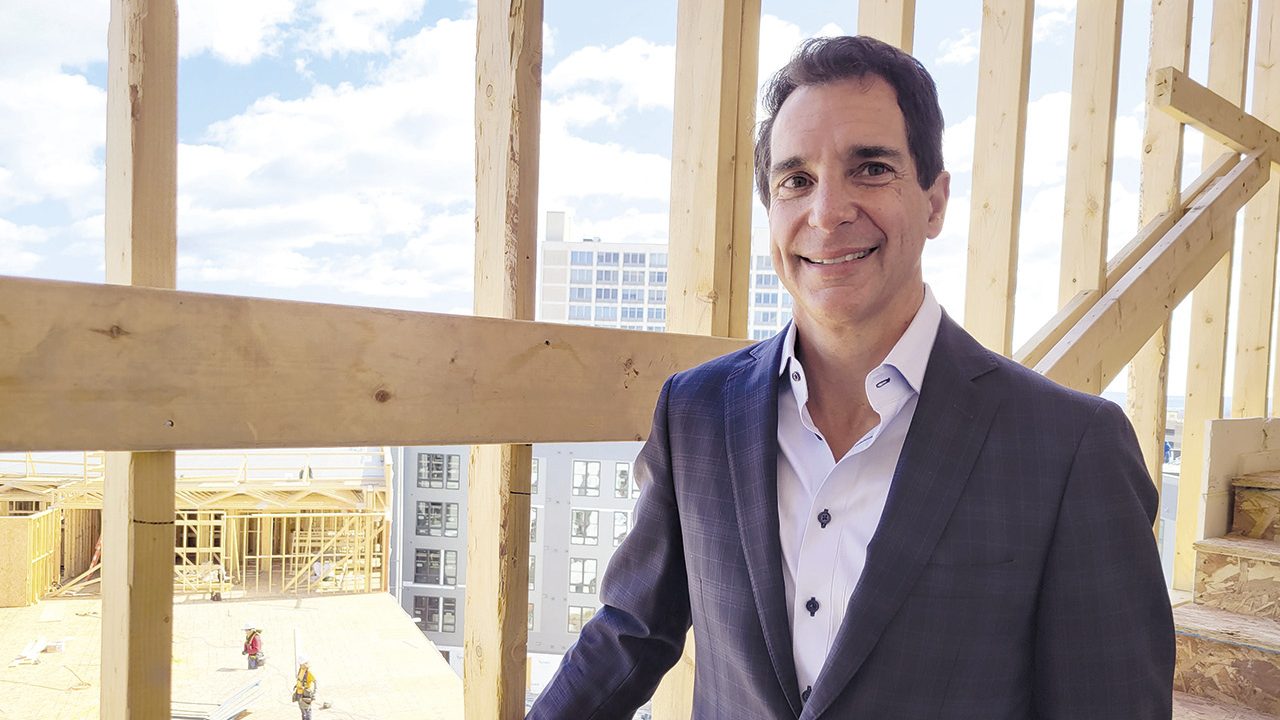
Florida’s real estate market enters 2026 with new leadership at the helm as Chuck Bonfiglio, broker-owner of AAA Realty Group, is officially installed as President of Florida Realtors. With more than 230,000 members behind the association, Bonfiglio highlights affordability, insurance reform, and taxes as key priorities while expressing optimism about easing mortgage rates, stabilizing prices, and growing inventory. Backed by years of statewide and national Realtor leadership, he aims to guide professionals through another transformative year alongside a newly appointed 2026 leadership team.
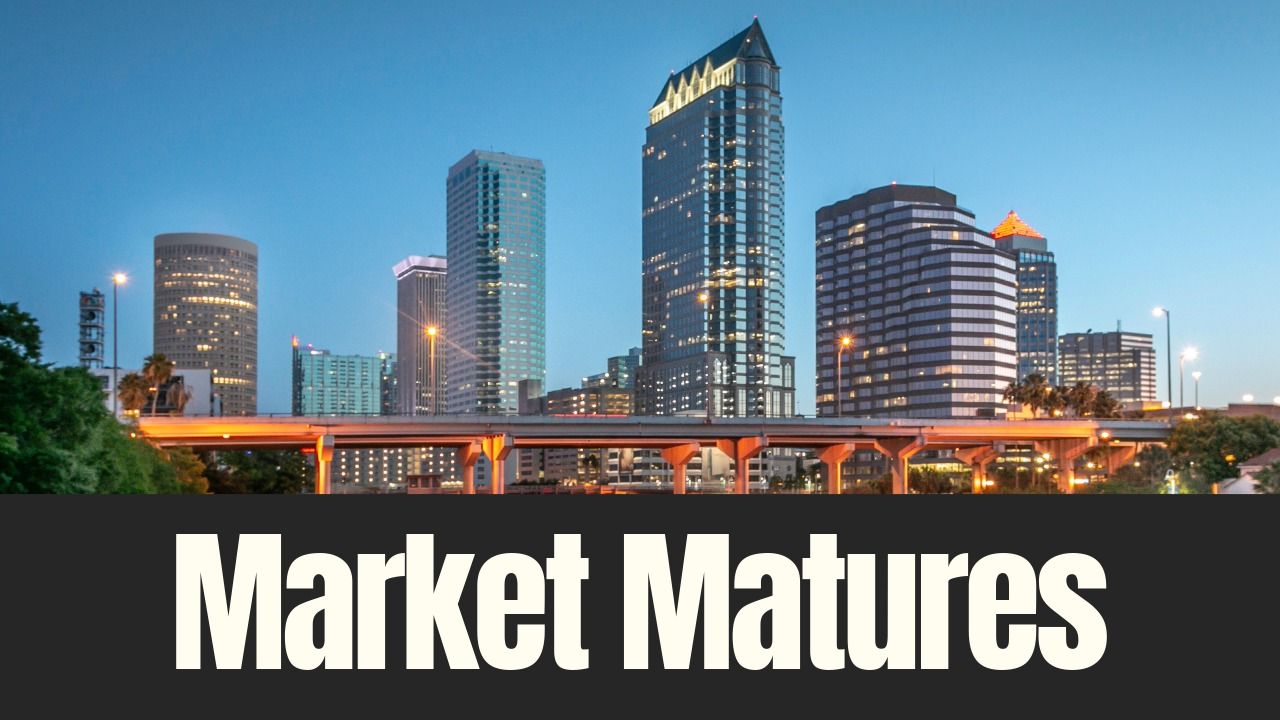
Tampa isn’t cooling off—it’s getting smarter. After years of rapid expansion, the city’s commercial real estate market has shifted into a more disciplined, selective phase. Population growth remains strong, office leasing is outperforming national trends, industrial activity is normalizing sustainably, and retail is seeing renewed investor confidence. With capital becoming more cautious and health care real estate emerging as a major growth sector, Tampa is entering a new era focused on strategy, execution, and long‑term fundamentals.