Florida’s Insurance Crisis: Why Premiums Keep Rising and What It Means for Homeowners
Florida’s property insurance market is once again under the microscope, and a newly released report suggests the problems plaguing homeowners aren’t going away anytime soon. In fact, many of the issues that sparked previous market collapses appear to be resurfacing—just under new branding.
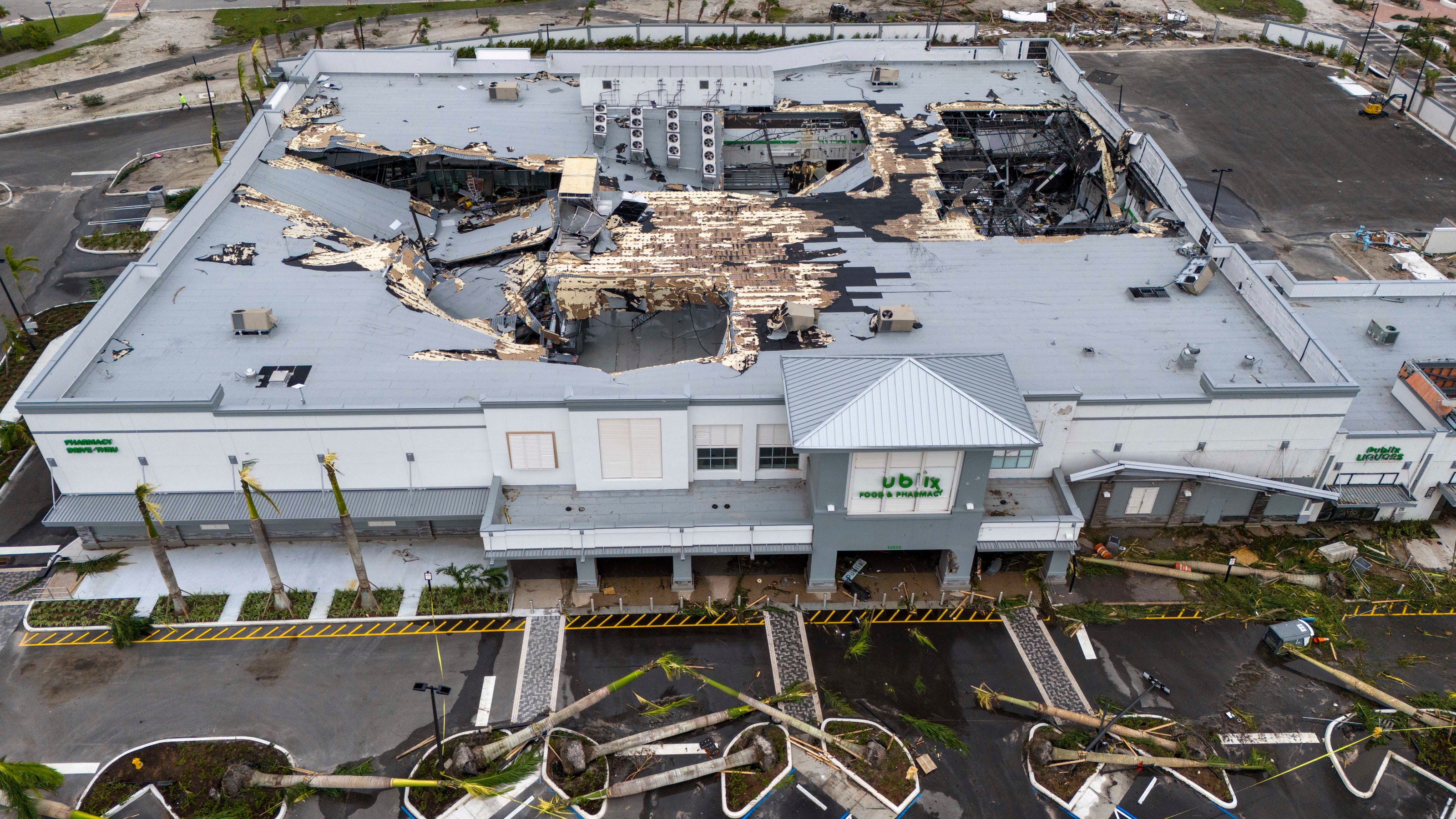
The report, published by the Insurance Fairness Project and highlighted by InsuranceNewsNet, breaks down what the organization calls the “mirage” of Florida’s insurance comeback. Despite political messaging about recovery since Hurricane Ian in 2022, the data shows rising premiums, fragile insurers, and a climate of uncertainty that leaves homeowners seriously exposed.
Click to Reveal: How Much Have Premiums Increased?
According to the report, Florida homeowners are paying 54% more for property insurance since 2019—now the highest rates in the nation. Even more alarming: an estimated 20% of Florida homeowners have stopped carrying insurance altogether.
The Hidden Weakness Behind the “Recovery”
A major concern is who is entering the insurance market. The report claims that several “new” insurers are simply rebranded versions of previously failed companies—or are led by executives tied to earlier insolvencies. Combined with weak oversight and questionable rating standards, the situation creates a landscape where consumers may feel protected but face significant vulnerability when claims actually arise.
Shifting policy risk from Citizens Property Insurance Corp. to small private firms has additionally created an ecosystem where the financial burden is concentrated among companies that may not survive a major catastrophe.
Troubling Performance Stats
• Florida leads the nation in unpaid property claims: 40.3% closed with no payout.
• Florida ranks first in policy non-renewals: 3.3% of all in-force policies.
• Florida ranks fourth in delayed claims: 32.8% delayed more than 60 days.
Lawmakers Step In: New Bills Aim for Transparency
State Sen. Carlos Guillermo Smith has introduced two bills—SB 234 and SB 230—seeking to increase oversight, require public disclosure of insurer affiliate payments, cap managing agent fees, and limit what financial data insurers can hide by labeling it a “trade secret.”
If enacted, these bills could represent a meaningful shift toward consumer protection and market accountability.
What This Means for Homeowners, Agents, and Industry Professionals
For homeowners, the message is clear: insurance costs may remain high, and claim reliability is far from guaranteed. For real estate agents and brokers, understanding these risks is essential for advising clients and navigating transactions.
Professionals in the insurance field—especially those entering or advancing their careers—should closely follow these developments. Knowing how Florida’s market truly functions can be a major competitive advantage.
That’s where strong professional education comes in. If you’re looking to build or expand your credentials in insurance, real estate, or mortgage services, high-quality training matters. Cameron Academy offers licensing and continuing education programs designed to help professionals stay ahead in challenging markets like Florida’s.
Getting licensed or staying ahead in your career can be a journey—but it doesn’t have to be overwhelming. Grab your favorite coffee or tea, take a moment to relax, and browse through our articles. Whether you’re just starting out or renewing your expertise, we’ve got tips, insights, and advice to keep you moving forward. Here’s to your success—one sip and one step at a time!
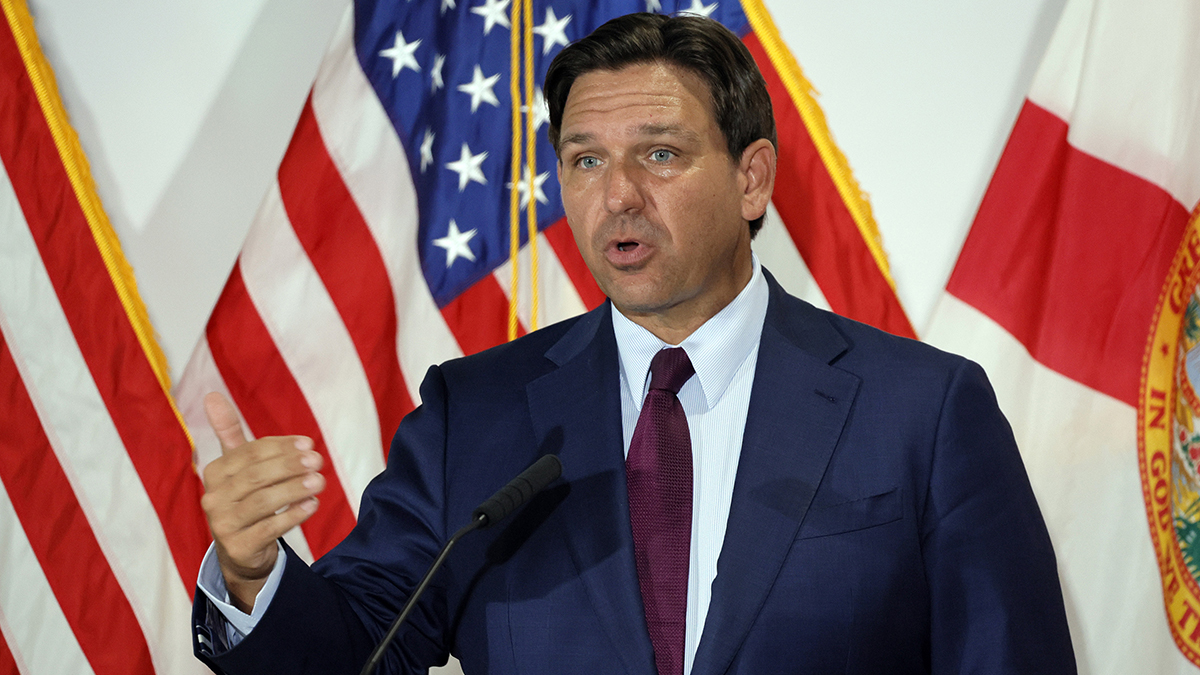
Florida homeowners — especially in hard‑hit South Florida — are set to see rare and substantial reductions in their property insurance premiums. Gov. Ron DeSantis announced an average statewide Citizens Insurance decrease of 8.7%, with even larger savings of up to 14% in counties like Miami-Dade, Broward, and Palm Beach. State officials credit recent legal and regulatory reforms for stabilizing the market, attracting new insurers, and delivering the first meaningful rate relief Floridians have seen in years.
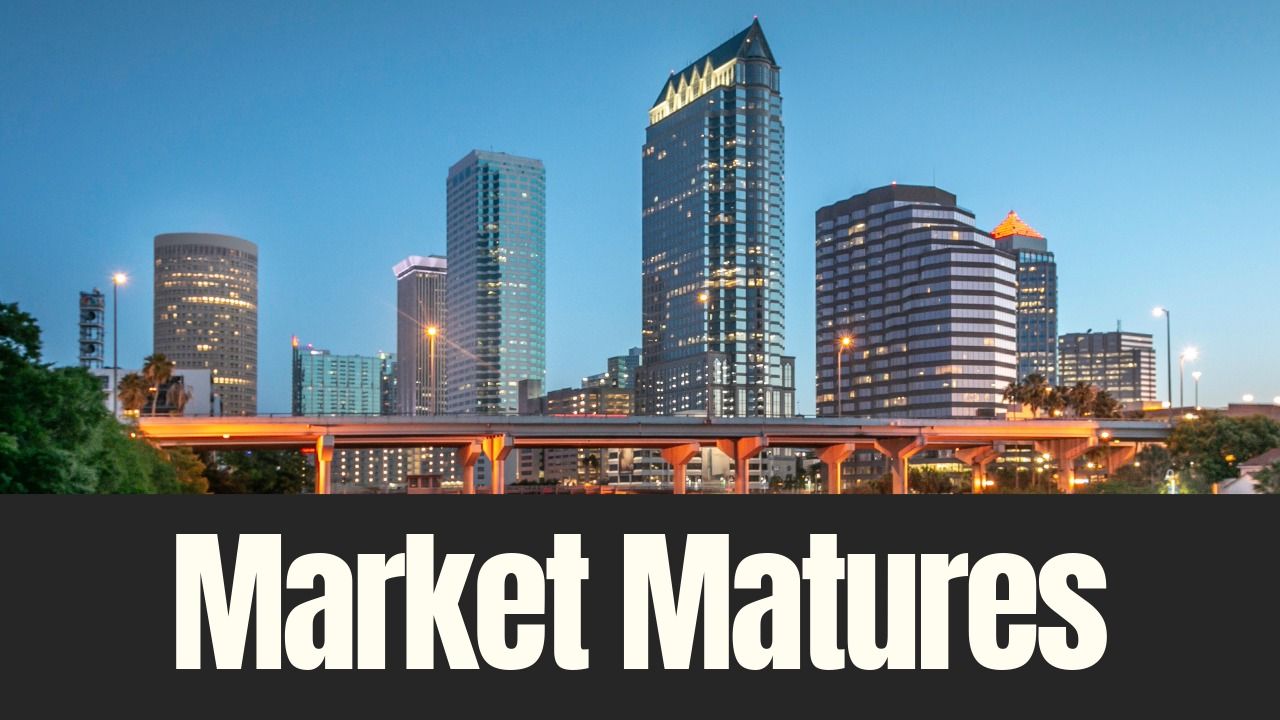
Tampa’s commercial real estate market isn’t slowing—it’s maturing. With strong population growth, rising office demand, a normalized industrial sector, resurgent retail, and an emerging health‑care real estate boom, investors are shifting from speed to strategy. Tighter underwriting, cautious capital and increased due‑diligence are shaping a more disciplined market, creating new opportunities for informed professionals.
Florida homeowners are finally seeing relief as Citizens Property Insurance announces a major 8.7% average rate decrease—far larger than originally proposed. Driven by legislative reforms, fewer lawsuits, and a calm hurricane season, the state’s once‑unstable insurance market is showing real signs of recovery. But with reduced coverage limits and shifting legal protections, experts warn that lower premiums may come with hidden trade‑offs.
After a decade of rising premiums and retreating carriers, Florida homeowners are finally seeing long‑awaited relief. Dozens of insurers have filed for rate decreases—some as high as 11%—thanks to legislative reforms and a stabilizing market. Early approvals are already hitting counties across the state, and experts say the momentum could boost buyer confidence, affordability, and competition throughout Florida’s real estate and insurance sectors.
After years of slowed activity caused by rising interest rates, the self‑storage industry is heating up again. New data from Marcus & Millichap shows a fresh market cycle emerging, driven by renewed buyer confidence, recalibrated pricing, and stronger lender participation. Acquisitions are rebounding, development is resetting in a healthier direction, and financing conditions are improving—creating one of the most promising investment landscapes the sector has seen in years.
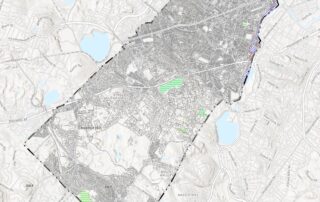
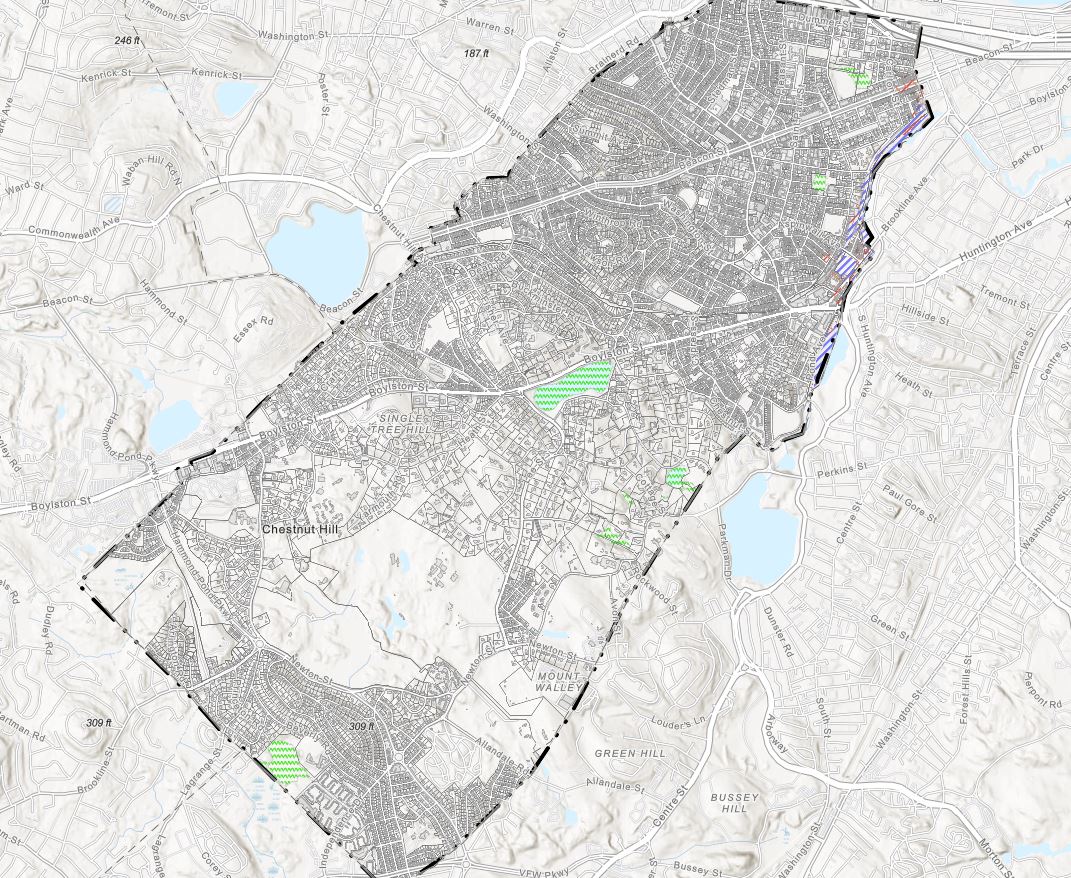
Brookline’s newly updated FEMA flood maps identify 97 high‑risk parcels, but local experts warn the true threat is far greater. While FEMA highlights river‑based flooding around Leverett Pond and the Muddy River, alternative models show more than 1,300 Brookline properties at risk within 30 years. Hidden vulnerabilities along major corridors like Beacon Street, rising rainfall intensity, aging infrastructure, and climate‑driven storm patterns suggest that many “low‑risk” areas may be anything but safe.