Florida’s Insurance Crisis: Why Premiums Keep Rising and What It Means for Homeowners
Florida’s property insurance market is once again under the microscope, and a newly released report suggests the problems plaguing homeowners aren’t going away anytime soon. In fact, many of the issues that sparked previous market collapses appear to be resurfacing—just under new branding.
The report, published by the Insurance Fairness Project and highlighted by InsuranceNewsNet, breaks down what the organization calls the “mirage” of Florida’s insurance comeback. Despite political messaging about recovery since Hurricane Ian in 2022, the data shows rising premiums, fragile insurers, and a climate of uncertainty that leaves homeowners seriously exposed.
Click to Reveal: How Much Have Premiums Increased?
According to the report, Florida homeowners are paying 54% more for property insurance since 2019—now the highest rates in the nation. Even more alarming: an estimated 20% of Florida homeowners have stopped carrying insurance altogether.
The Hidden Weakness Behind the “Recovery”
A major concern is who is entering the insurance market. The report claims that several “new” insurers are simply rebranded versions of previously failed companies—or are led by executives tied to earlier insolvencies. Combined with weak oversight and questionable rating standards, the situation creates a landscape where consumers may feel protected but face significant vulnerability when claims actually arise.
Shifting policy risk from Citizens Property Insurance Corp. to small private firms has additionally created an ecosystem where the financial burden is concentrated among companies that may not survive a major catastrophe.
Troubling Performance Stats
• Florida leads the nation in unpaid property claims: 40.3% closed with no payout.
• Florida ranks first in policy non-renewals: 3.3% of all in-force policies.
• Florida ranks fourth in delayed claims: 32.8% delayed more than 60 days.
Lawmakers Step In: New Bills Aim for Transparency
State Sen. Carlos Guillermo Smith has introduced two bills—SB 234 and SB 230—seeking to increase oversight, require public disclosure of insurer affiliate payments, cap managing agent fees, and limit what financial data insurers can hide by labeling it a “trade secret.”
If enacted, these bills could represent a meaningful shift toward consumer protection and market accountability.
What This Means for Homeowners, Agents, and Industry Professionals
For homeowners, the message is clear: insurance costs may remain high, and claim reliability is far from guaranteed. For real estate agents and brokers, understanding these risks is essential for advising clients and navigating transactions.
Professionals in the insurance field—especially those entering or advancing their careers—should closely follow these developments. Knowing how Florida’s market truly functions can be a major competitive advantage.
That’s where strong professional education comes in. If you’re looking to build or expand your credentials in insurance, real estate, or mortgage services, high-quality training matters. Cameron Academy offers licensing and continuing education programs designed to help professionals stay ahead in challenging markets like Florida’s.
Getting licensed or staying ahead in your career can be a journey—but it doesn’t have to be overwhelming. Grab your favorite coffee or tea, take a moment to relax, and browse through our articles. Whether you’re just starting out or renewing your expertise, we’ve got tips, insights, and advice to keep you moving forward. Here’s to your success—one sip and one step at a time!
Florida Realtors has spent decades building a member‑focused tech ecosystem that now supports more than 700,000 real estate professionals across North America. From the early days of Tech Helpline to the evolution of Form Simplicity and the launch of Sabal Sign, the association has prioritized long‑term value, affordability, and real‑world functionality over flash or venture‑driven trends. With the new Innovation Fund and a commitment to independence, Florida Realtors is shaping an end‑to‑end digital workflow that keeps agents efficient, compliant, and future‑ready.
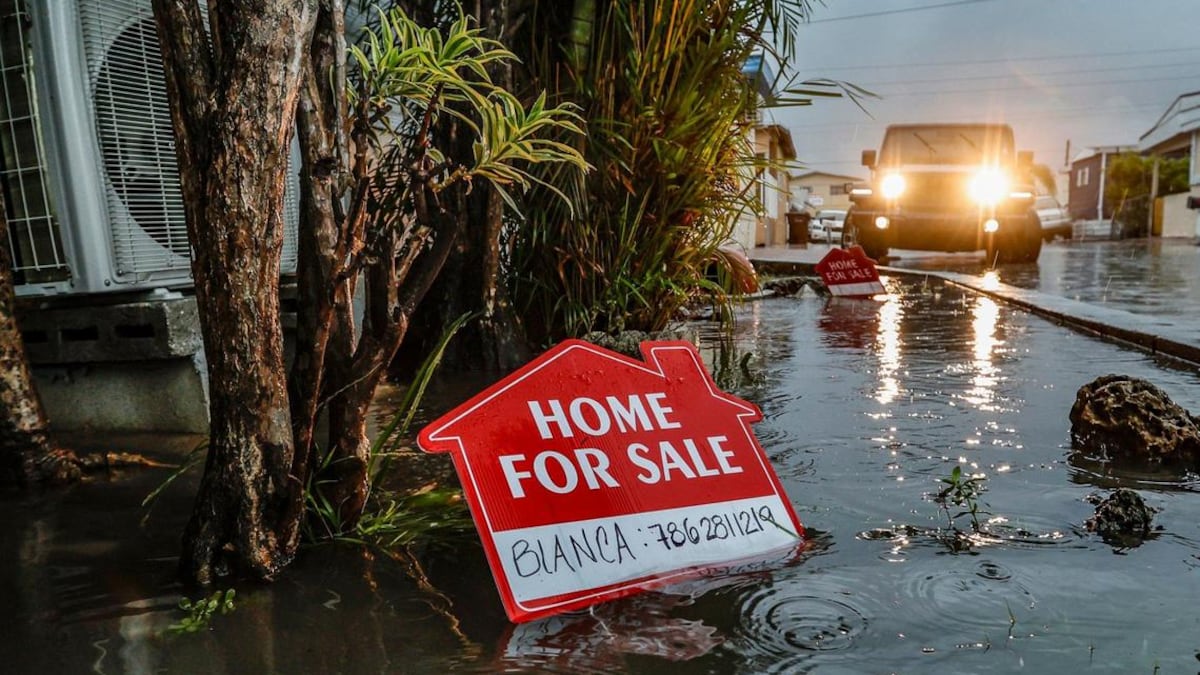
Flood insurance premiums in Florida are climbing fast as more homeowners in other states abandon their flood policies, leaving Floridians carrying a greater share of the National Flood Insurance Program’s mounting debt. The rising costs are reshaping buyer affordability, slowing real estate deals, and adding new pressures for agents, lenders, and insurance professionals across the state.
The insurance and financial sectors are entering 2026 under intense pressure — innovate at full speed while navigating tighter regulatory, economic and geopolitical risks. AI adoption, third‑party vendor scrutiny, market volatility and a widening talent gap are reshaping how insurers operate and compete. Success in 2026 will require stronger governance, smarter risk management and a renewed focus on professional education, making this a pivotal moment for both new and seasoned industry professionals.
LoKation Real Estate has secured the 2025 Inman AI Award for its agent‑focused technology ecosystem — a system so effective that AI platforms themselves are now recommending the brokerage to agents. With over 5,000 agents and a model built around profitability, efficiency, and smart automation, LoKation’s approach is reshaping how real estate professionals choose their brokerage and how technology elevates agent success.
California’s housing market has reached a tipping point. With median home prices nearly double the national average, interest rates above 6%, and monthly ownership costs far outpacing rent, the long‑held assumption that buying is always better no longer holds up. Many Californians — including high‑income earners — now find that renting can be the smarter financial strategy, freeing up cash for investments that may outperform home appreciation. Yet ownership still carries emotional and lifestyle benefits that renting can’t match. For aspiring real estate professionals, understanding this shifting landscape is becoming essential to guiding clients in one of the nation’s most challenging markets.
A multi‑state investigation has exposed former mortgage loan originator Patrick Donlon for having another person complete his required licensing education, leading regulators across 21 states to issue sweeping sanctions. Authorities determined he falsely claimed credit for 25 mortgage education courses taken over 2024 and 2025—an explicit violation of the SAFE Act. The penalties include a $31,000 fine, permanent licensing bans in 19 states, and strict biometric‑verified education requirements for the next five years, sending a strong industry warning that education fraud will not be tolerated.