Florida’s Insurance Crisis: Why Premiums Keep Rising and What It Means for Homeowners
Florida’s property insurance market is once again under the microscope, and a newly released report suggests the problems plaguing homeowners aren’t going away anytime soon. In fact, many of the issues that sparked previous market collapses appear to be resurfacing—just under new branding.
The report, published by the Insurance Fairness Project and highlighted by InsuranceNewsNet, breaks down what the organization calls the “mirage” of Florida’s insurance comeback. Despite political messaging about recovery since Hurricane Ian in 2022, the data shows rising premiums, fragile insurers, and a climate of uncertainty that leaves homeowners seriously exposed.
Click to Reveal: How Much Have Premiums Increased?
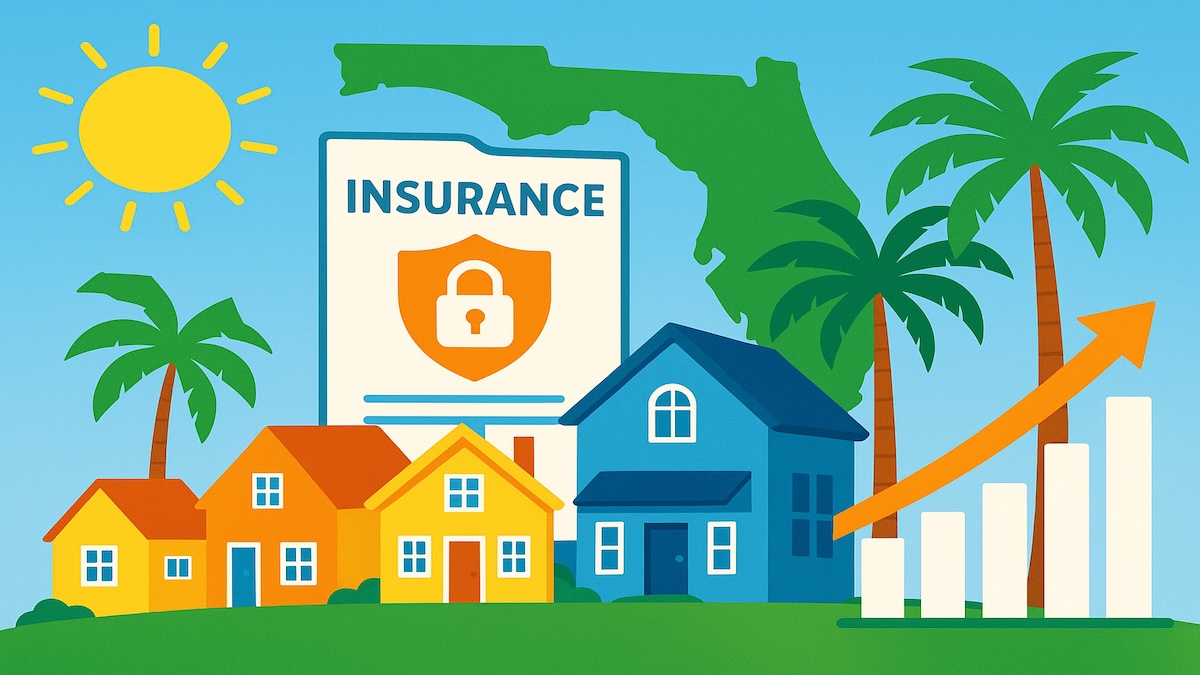
According to the report, Florida homeowners are paying 54% more for property insurance since 2019—now the highest rates in the nation. Even more alarming: an estimated 20% of Florida homeowners have stopped carrying insurance altogether.
The Hidden Weakness Behind the “Recovery”
A major concern is who is entering the insurance market. The report claims that several “new” insurers are simply rebranded versions of previously failed companies—or are led by executives tied to earlier insolvencies. Combined with weak oversight and questionable rating standards, the situation creates a landscape where consumers may feel protected but face significant vulnerability when claims actually arise.
Shifting policy risk from Citizens Property Insurance Corp. to small private firms has additionally created an ecosystem where the financial burden is concentrated among companies that may not survive a major catastrophe.
Troubling Performance Stats
• Florida leads the nation in unpaid property claims: 40.3% closed with no payout.
• Florida ranks first in policy non-renewals: 3.3% of all in-force policies.
• Florida ranks fourth in delayed claims: 32.8% delayed more than 60 days.
Lawmakers Step In: New Bills Aim for Transparency
State Sen. Carlos Guillermo Smith has introduced two bills—SB 234 and SB 230—seeking to increase oversight, require public disclosure of insurer affiliate payments, cap managing agent fees, and limit what financial data insurers can hide by labeling it a “trade secret.”
If enacted, these bills could represent a meaningful shift toward consumer protection and market accountability.
What This Means for Homeowners, Agents, and Industry Professionals
For homeowners, the message is clear: insurance costs may remain high, and claim reliability is far from guaranteed. For real estate agents and brokers, understanding these risks is essential for advising clients and navigating transactions.
Professionals in the insurance field—especially those entering or advancing their careers—should closely follow these developments. Knowing how Florida’s market truly functions can be a major competitive advantage.
That’s where strong professional education comes in. If you’re looking to build or expand your credentials in insurance, real estate, or mortgage services, high-quality training matters. Cameron Academy offers licensing and continuing education programs designed to help professionals stay ahead in challenging markets like Florida’s.
Getting licensed or staying ahead in your career can be a journey—but it doesn’t have to be overwhelming. Grab your favorite coffee or tea, take a moment to relax, and browse through our articles. Whether you’re just starting out or renewing your expertise, we’ve got tips, insights, and advice to keep you moving forward. Here’s to your success—one sip and one step at a time!
President Trump recently suggested mortgage rates will drop “a lot lower” by early 2026, sparking industry-wide curiosity — but current economic data tells a more measured story. With today’s 30‑year fixed hovering near 6.25%, experts say meaningful declines remain possible, though not guaranteed, and would depend on softer inflation, weaker economic signals, or a shift in bond market behavior. While political comments created headlines, analysts emphasize that only market conditions — not rhetoric — can drive rates down. Independent forecasts already point toward mid‑5% rates by 2026, offering a potentially healthier landscape for buyers, agents, and mortgage professionals preparing for the next cycle.
Artificial intelligence has moved from a futuristic concept to a central force driving today’s mortgage industry. From smarter underwriting to enhanced borrower experiences and tighter compliance, AI is transforming every corner of mortgage lending. As expectations rise and competition accelerates, AI literacy is no longer optional — it’s a core skill every mortgage, real estate and finance professional must master to stay relevant and lead confidently.
Global commercial real estate is shifting away from short-term recovery cycles and entering a long-term transformation driven by technology, sustainability, demographic change, and evolving work‑life patterns. Capital is becoming more selective, favoring resilient assets and alternative lenders, while high‑demand sectors such as industrial, logistics, data infrastructure, and specialized residential continue to outperform. Geography, sustainability standards, and flexibility are emerging as defining forces for the next cycle, signaling major opportunities—and challenges—for real estate professionals preparing for the future.
Artificial intelligence has moved from hype to essential infrastructure in the real estate world. From smarter valuations and predictive analytics to automated lead generation and personalized property-matching tools, AI is transforming how agents, brokers, lenders, and managers operate. As top platforms like Zillow, Redfin, Opendoor, and dozens more integrate deep‑learning technology, professionals across real estate, mortgage, insurance, and finance are being pushed to adapt. The future belongs to those who embrace these tools — and use them to elevate speed, accuracy, and client experience.
Florida’s once‑troubled property insurance market has staged an impressive recovery after its near‑collapse in 2022. A new ALIRT Insurance Research report shows that legislative reforms, tighter underwriting and the arrival of new insurers have restored stability, reduced Citizens’ policy load and revived industry confidence. While risks remain, the rebound is reshaping housing affordability and creating fresh opportunities for real estate, mortgage and insurance professionals.
A new bill gaining momentum in Tallahassee would stop insurers from denying claims based solely on artificial intelligence. Championed by Rep. Hillary Cassell, the proposal aims to restore trust in Florida’s troubled insurance market by ensuring human oversight in decisions that affect homeowners, newcomers, and industry professionals. As debates intensify, experts warn AI is reshaping insurance faster than ever—making it critical for real estate, mortgage, and insurance professionals to understand the regulatory shifts ahead.