Florida’s Insurance Shake-Up: New Reforms, Familiar Storm Clouds

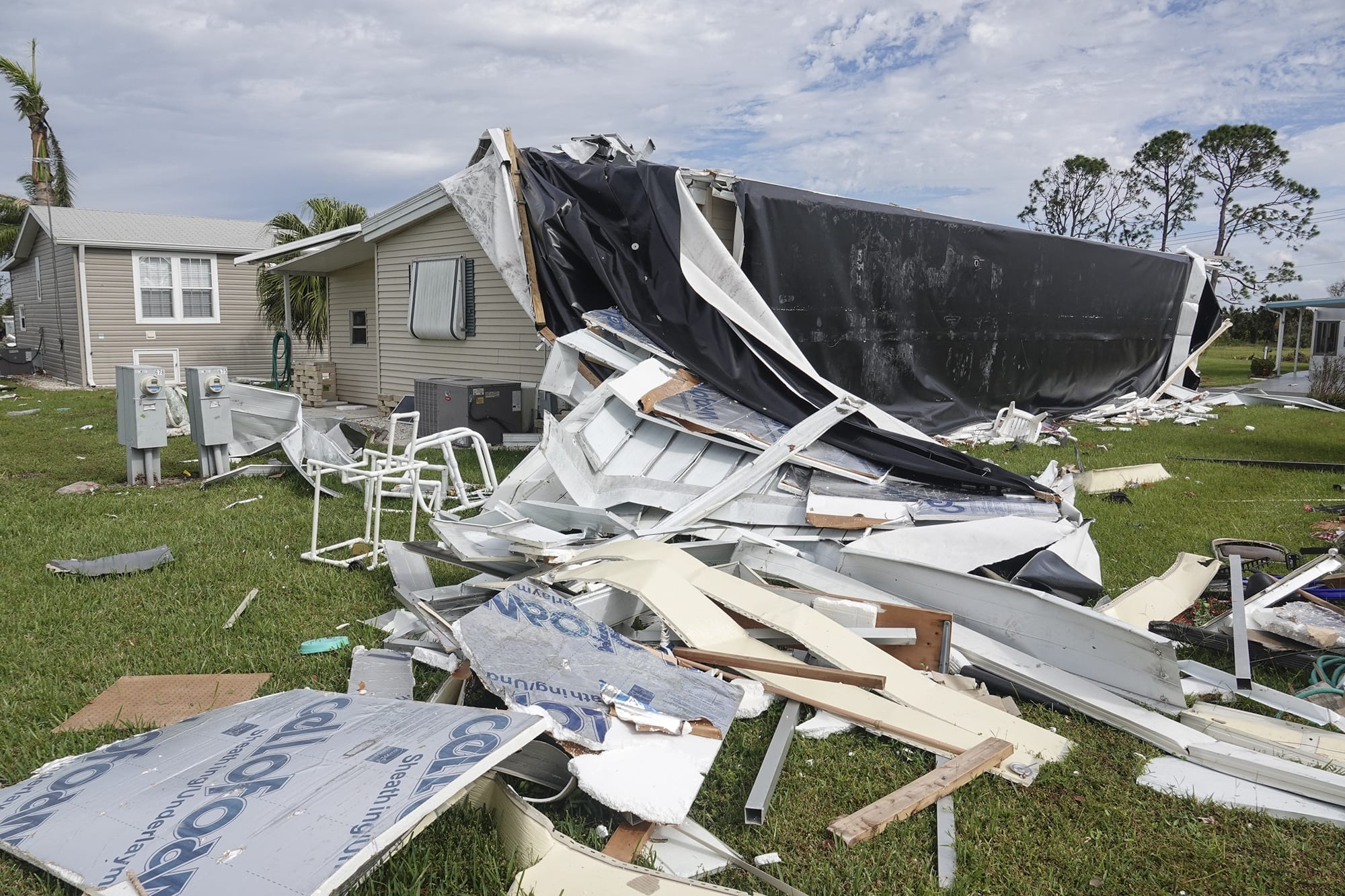
Florida storm damage

Florida’s home insurance market continues to operate under a haze of uncertainty—despite high‑profile reforms intended to stabilize it. New analysis suggests that while policies have changed on paper, deeper structural vulnerabilities remain untouched. For homeowners, real estate professionals, and insurance licensees, this unfolding situation is more than a political storyline—it’s a direct look into the future of property risk, affordability, and regulation in the Sunshine State.

A Cycle Repeating Itself

Gov. Ron DeSantis’s 2022 reforms were described as transformative, but according to reporting from The American Prospect, the playbook looks familiar. The strategy echoes the post–Hurricane Andrew era: incentivize small, lightly capitalized insurers, shift risk away from state‑backed pools, and hope the private market settles. But hope is not a strategy.

The Insurance Fairness Project argues that the state has recreated “many of the same conditions that left homeowners exposed in the last crisis,” including undercapitalized insurers, high denial rates, and unstable financial ratings behind the scenes.

Depopulation of Citizens: A Push Into Higher Risk

In 2023, Florida accelerated the depopulation of Citizens, its insurer of last resort. If a private insurer offers a premium within 20% of a Citizen’s policy, the homeowner is automatically moved—regardless of the private company’s financial health.

Roughly 355,000 homeowners have already been shifted into private coverage, many paying more for carriers with questionable histories. Regulators approved over a dozen companies to absorb these policies, though several have troubling pasts.

Insurers with troubled pasts

Viceroy Preferred Insurance, linked to Monarch National—recently fined $325,000 for mishandled claims.
Patriot Select Property & Casualty, born from insolvent Anchor Insurance.
Apex, with roots in the historically insolvent Interboro Mutual Indemnity Insurance Company.

Ratings Agencies Under Scrutiny

Many newly approved insurers receive strong ratings from Demotech, a ratings agency that is paid by the insurers it evaluates. Meanwhile, Weiss Ratings—fully independent—reported that 14 Florida insurers closed more than 50% of homeowner claims with zero payout in 2024.

Slide Insurance, for example, received an “A” from Demotech but a “C‑” from Weiss. Investigations by The Wall Street Journal have shown that Demotech‑rated companies fail at dramatically higher rates than those reviewed by major global agencies.

Why ratings matter

Mortgage lenders require approved insurance carriers. If these insurers collapse, homeowners face policy cancellations, forced‑placed insurance, or sudden premium spikes during peak hurricane seasons—turning bad days into worse ones.

Money, Politics, and Oversight

Executive compensation in certain companies has triggered criticism. At Slide Insurance, top executives earned tens of millions while owning luxury estates described as “massive modern masterpieces.” Meanwhile, policyholders fought uphill battles just to receive fair claim payouts.

Political contributions also play a role. Slide’s leadership donated more than $26,000 to committees supporting DeSantis and former CFO Jimmy Patronis, sparking concerns about how deeply the insurance industry influences regulation.

The Need for a Complete Insurance Overhaul

As highlighted by a Tampa Bay Times investigation, state regulators have struggled to maintain transparency, including allegations that critical reports exposing insurer profits were suppressed.

Industry experts argue Florida needs a complete rebuild—not tweaks, not patches. That includes consolidating oversight, enforcing stricter transparency, and redefining how financial risk is assessed across the state.

What experts say must change

• Strengthen oversight of ratings agencies.
• Align land use, building codes, and disaster planning.
• Increase accountability for claim denials.
• Rebuild the insurance market framework entirely.

Why This Matters for Real Estate and Insurance Professionals

Whether you’re a Realtor, insurance adjuster, mortgage professional, or someone pursuing licensure, understanding Florida’s insurance volatility is essential. Insurance costs influence property values, closing timelines, and the overall stability of the real estate market.

For those expanding their careers or entering the field, institutions like Cameron Academy continue to offer industry‑leading education that empowers professionals to navigate Florida’s evolving landscape with confidence and clarity.

Source Spotlight

This article draws narrative inspiration and research from The American Prospect. Read the original report here: New Reforms, Same Old Florida Home Insurance Market .

More Articles

Getting licensed or staying ahead in your career can be a journey—but it doesn’t have to be overwhelming. Grab your favorite coffee or tea, take a moment to relax, and browse through our articles. Whether you’re just starting out or renewing your expertise, we’ve got tips, insights, and advice to keep you moving forward. Here’s to your success—one sip and one step at a time!

A Strategic Business Move: Old Republic’s Exit from the Mortgage Insurance Market

In a significant business transaction, Old Republic International Corporation has sold its mortgage insurance business to Arch Capital Group Ltd. for a staggering $140 million. This strategic move marks a pivotal moment in the industry and will have far-reaching implications for both companies involved. Old Republic's exit from the mortgage insurance market is part of a strategy to refocus its resources on core business lines. For Arch Capital Group, the acquisition presents a tremendous opportunity for expansion, aiming to strengthen its position in the mortgage insurance market. This development will shape the landscape of the mortgage insurance market and have implications for both companies involved.

Innovation in Home Appraisals: CoreLogic’s Augmented Reality Tool

Welcome to a new era where home appraisals are completed in minutes, thanks to precise measurements and accurate property sketches. This is made possible by CoreLogic, a leading provider of property data and analytics, through their groundbreaking augmented reality (AR) tool, ScanToSketch. This tool is transforming the home appraisal process and its potential applications in the real estate industry. ScanToSketch leverages the power of Light Detection and Ranging (LiDAR) technology and augmented reality, enabling appraisers to capture precise measurements and create detailed property sketches in real-time. This advancement not only saves time but also ensures accuracy, revolutionizing the way home appraisals are conducted.

Commission Lawsuit Uncertainty: A Guide for Agents

The recent verdict in the Sitzer/Burnett commission lawsuit has left the real estate industry in a state of uncertainty. The National Association of Realtors (NAR) and four major real estate brokerages, accused of inflating commission rates, are facing a $6.2 million judgment. NAR president Tracy Kasper, expressing disappointment at the verdict, plans to appeal the decision. This landmark decision has sent shockwaves through the industry, leaving agents uncertain about the future of their business. Kasper emphasizes the importance of transparency, communication, and staying informed about local regulations. Agents should proactively address any concerns or questions their clients may have about commission rates. It is crucial to provide clear explanations of the value agents bring to the transaction and ensure that clients understand all their choices.

By |November 27, 2023|Categories: Real Estate Industry|Tags: |0 Comments

Alleviating Housing Market Pressures: New Homebuyer Assistance Programs

In response to the affordability pressures in the housing market, 54 new homebuyer assistance programs were introduced in the third quarter, bringing the total number of such programs to 2,256. These programs aim to provide support and assistance to homebuyers, particularly those facing challenges in affording a home. The homebuyer assistance programs offer various types of aid, including down payment assistance, closing cost assistance, and low-interest loans. Companies and organizations across the country have introduced these programs to help potential homebuyers overcome financial barriers and achieve their homeownership goals. These programs are available in different states, with some states offering a higher number of programs compared to others.

Mortgage-as-a-Service Platform Launched by Better Home & Finance and Infosys

Better Home & Finance Holding Company, a renowned digital lender based in New York, has recently made a groundbreaking move in the mortgage industry. In partnership with Infosys, a leading information technology consulting company, Better Home & Finance has launched a cutting-edge white-labeled mortgage-as-a-service platform. This innovative platform aims to revolutionize the mortgage process by providing an integrated end-to-end digital solution that streamlines every step of the lending journey. The mortgage-as-a-service platform handles all aspects of the mortgage process, from the initial point of sale to loan origination, underwriting, closing, funding, and investor sale. By leveraging advanced technology and automation, Better Home & Finance's platform reduces origination costs and helps partners navigate the operational volatility caused by the current interest rate environment.

By |November 27, 2023|Categories: Digital Mortgage Services|Tags: |0 Comments

Surge in UWM’s Profits: Q3 Highlights

Despite a decline in mortgage origination volume in Q3 2023, UWM Holdings Corporation, the parent company of United Wholesale Mortgage (UWM), showcased a robust financial performance. The company reported a net income of $1.6 billion, an increase from $1.5 billion in the previous quarter. This improvement in net income margin is a testament to UWM's resilience and adaptability in a fluctuating market. Even with a decrease in mortgage origination volume, UWM reported an increase in net income. This positive financial performance is attributed to UWM's strategic shift towards higher profitability loans, such as jumbo loans and non-QM loans. By focusing on these higher-margin loans, UWM has been able to maintain strong profitability despite the overall decline in volume.

By |November 26, 2023|Categories: Mortgage Industry|Tags: |0 Comments