Florida’s Mobile Home Boom: What Insurers Want You to Know in 2026

Mobile home in florida

Mobile and manufactured homes continue to rise in popularity across Florida, offering affordability and flexibility in a market where traditional home prices have climbed beyond reach for many. But protecting one of these homes requires a specialized policy — one that understands the unique risks of a residence built off-site and set on a non-permanent foundation.

That’s where mobile home insurance — often referred to as an HO-7 policy — becomes essential. And if you’re living in Florida, or guiding clients as a real estate or insurance professional, this information is more relevant than ever.

Source Spotlight: This article is inspired by insights from Insurify, a top-tier comparison engine trusted by modern insurance consumers nationwide.

Why Mobile Homes Need Special Coverage in Florida

Over 8% of Florida’s housing consists of mobile homes. While the state doesn’t legally require mobile home insurance, many lenders and mobile home communities do. Even without those requirements, owners still face serious risks — hurricanes, fire, theft, and unexpected relocations among them.

Because these homes are more vulnerable to wind and weather damage, premiums can run higher. Fortunately, insurers now offer policies tailor-made for their specific structure and risk profile.

What HO-7 Mobile Home Insurance Typically Covers

Mobile home insurance is similar to standard homeowners insurance, but incorporates protections designed for factory-built homes. Most policies include:

  • Dwelling coverage for the home itself
  • Personal property coverage for belongings
  • Other structures such as sheds or detached garages
  • Additional living expenses for temporary housing
  • Personal liability for injury or accidental damage

What’s Not Covered?

HO-7 policies, like traditional homeowners insurance, have exclusions. These often include:

  • Flood damage (requires separate flood insurance)
  • Earthquake damage (optional add-ons may exist)
  • Wear, tear, mold, rust, and pest damage

Top Mobile Home Insurance Providers in Florida

According to Insurify’s analysis, Florida’s standout insurers for 2026 include:

  • Foremost: Great for older homes; offers replacement cost coverage.
  • State Farm: Flexible deductibles and add-ons such as cyber event protection.
  • Farmers: Agent-driven service with multiple discount options.
  • HomeFirst: Includes flood coverage and works with lower credit tiers.

Premiums vary based on home age, condition, location, and claims history. Due to Florida’s weather risks, statewide premiums trend higher than the national average.

Ways to Save on Mobile Home Insurance

You can save money — and insurers reward specific actions. Consider the following:

  • Get quotes from multiple insurers
  • Bundle your policies
  • Install approved safety features
  • Improve your credit score
  • Choose a higher deductible
  • Earn tie-down or wind mitigation certifications

Tip for Professionals: If you’re pursuing your Florida real estate license or expanding into insurance or mortgage fields, Cameron Academy offers career-building programs that help you guide clients confidently through mobile home ownership.

Is It Difficult to Insure a Mobile Home in Florida?

It can be. Many insurers view mobile homes as higher-risk, especially along coastal regions. Still, providers like Farmers, Foremost, HomeFirst, and State Farm — plus Citizens as a last-resort option — make it possible for owners to secure reliable coverage.

What Florida Owners Are Asking

Common concerns include whether insurance is required (it’s not), what coverage limits they should choose, how older homes affect eligibility, and what to do after major damage.

Ultimately, the best policy depends on your home’s replacement cost, your preferred deductible, and how much protection you want for belongings and liability.

Final Thoughts

Florida’s mobile home market is expanding rapidly — and with that growth comes the need for strong, clear insurance solutions. Whether you’re a homeowner, an aspiring licensee, or a seasoned industry pro, staying informed empowers you to make the right decisions.

Cameron Academy remains committed to helping professionals elevate their careers with confidence, from real estate to insurance and beyond.


More Articles

Getting licensed or staying ahead in your career can be a journey—but it doesn’t have to be overwhelming. Grab your favorite coffee or tea, take a moment to relax, and browse through our articles. Whether you’re just starting out or renewing your expertise, we’ve got tips, insights, and advice to keep you moving forward. Here’s to your success—one sip and one step at a time!

Commercial Real Estate Slows Again as Investors Flock to Larger, Safer Deals

November marked another cooldown for commercial real estate, with total deal volume dropping 10% year over year and falling below even 2020’s levels. While overall activity is slowing, investors are concentrating their money on bigger, more resilient assets—driving a 51% surge in deals over $100 million and pushing average transaction sizes well above historical norms. Multifamily remains the strongest sector, office deals are becoming more strategically focused, and medical office and data centers continue to outperform as long‑term demand stays solid.

Lower Rates Could Spark a Commercial Real Estate Comeback in 2026

After years of stalled activity, commercial real estate may finally be nearing a rebound. Experts say that expected interest‑rate drops in 2026 could reignite investor confidence, unlock sidelined capital, and boost deal flow across multiple sectors. But the outlook isn’t uniformly sunny—multifamily faces oversupply, industrial is cooling after years of rapid growth, and weakening employment conditions may slow absorption. For professionals across real estate, mortgage, insurance, and finance, the shifting landscape presents both challenges and major opportunities for those who stay informed and properly licensed.

Consumer Reports Warns Congress About Rising Fintech Risks in 2026

Consumer Reports delivered a major warning to Congress, highlighting how rapidly expanding fintech tools—especially AI‑driven platforms—are outpacing consumer protections. In testimony before the House Subcommittee on Digital Assets, Financial Technology and AI, CR called for stronger, clearer rules to prevent hidden fees, predatory practices, and confusion within digital financial products. For professionals in real estate, mortgages, insurance, and finance, these emerging regulations may soon influence lending decisions, underwriting, credit evaluations, and compliance expectations across the industry.

Amazon’s Massive Corporate Shakeup Signals a New Era of AI‑Driven Workforce Transformation

Amazon is preparing to cut up to 30,000 corporate jobs by mid‑2026 as it pivots aggressively toward automation and AI. Following 14,000 layoffs in late 2025, the company is eliminating layers of management to redirect billions into robotics, generative AI systems, and supercomputing partnerships. While warehouse hiring continues for seasonal demand, Amazon’s internal shift reveals a broader nationwide trend: white‑collar roles across tech, finance, logistics, and more are being reshaped by automation at unprecedented speed.

Chuck Bonfiglio Steps In as 2026 Florida Realtors President, Signaling a Year of Big Industry Shifts

Florida’s real estate market enters 2026 with new leadership at the helm as Chuck Bonfiglio, broker-owner of AAA Realty Group, is officially installed as President of Florida Realtors. With more than 230,000 members behind the association, Bonfiglio highlights affordability, insurance reform, and taxes as key priorities while expressing optimism about easing mortgage rates, stabilizing prices, and growing inventory. Backed by years of statewide and national Realtor leadership, he aims to guide professionals through another transformative year alongside a newly appointed 2026 leadership team.

Tampa’s Real Estate Market Enters Its Selective Era

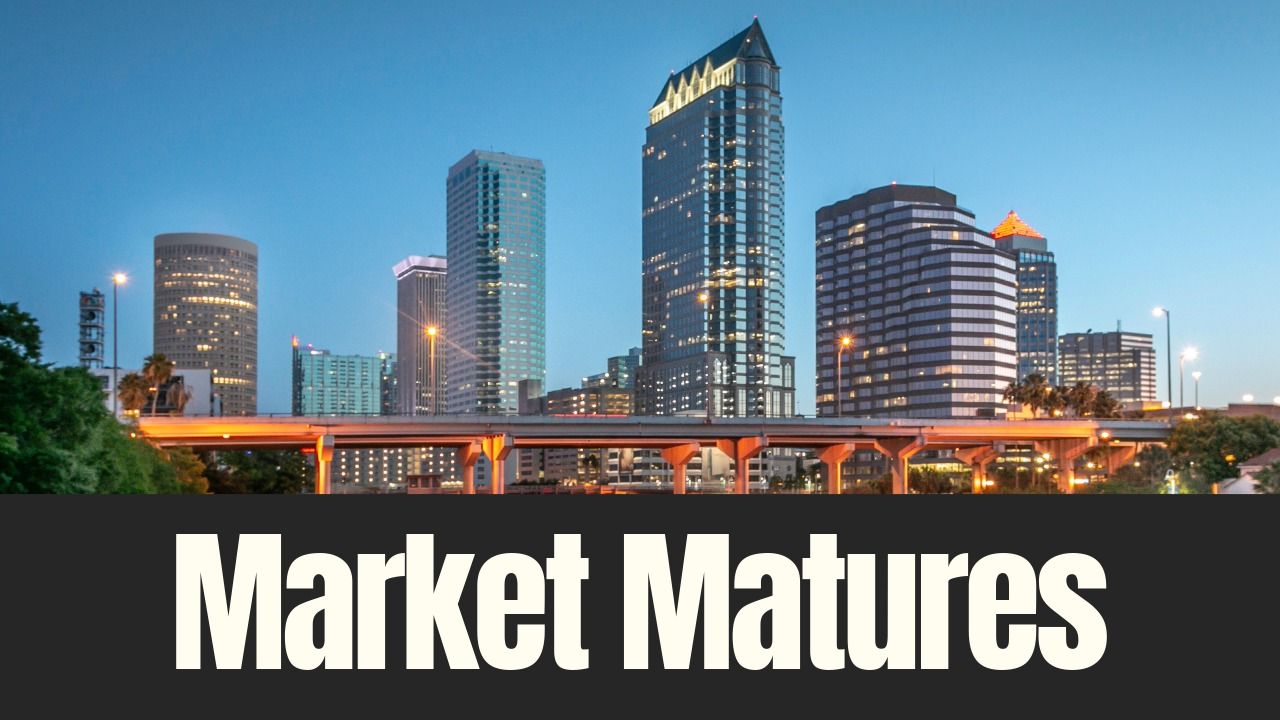
Tampa isn’t cooling off—it’s getting smarter. After years of rapid expansion, the city’s commercial real estate market has shifted into a more disciplined, selective phase. Population growth remains strong, office leasing is outperforming national trends, industrial activity is normalizing sustainably, and retail is seeing renewed investor confidence. With capital becoming more cautious and health care real estate emerging as a major growth sector, Tampa is entering a new era focused on strategy, execution, and long‑term fundamentals.