Florida’s Mobile Home Boom: What Insurers Want You to Know in 2026
Mobile and manufactured homes continue to rise in popularity across Florida, offering affordability and flexibility in a market where traditional home prices have climbed beyond reach for many. But protecting one of these homes requires a specialized policy — one that understands the unique risks of a residence built off-site and set on a non-permanent foundation.
That’s where mobile home insurance — often referred to as an HO-7 policy — becomes essential. And if you’re living in Florida, or guiding clients as a real estate or insurance professional, this information is more relevant than ever.
Source Spotlight: This article is inspired by insights from Insurify, a top-tier comparison engine trusted by modern insurance consumers nationwide.
Why Mobile Homes Need Special Coverage in Florida
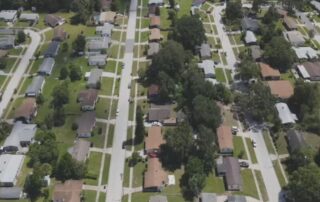
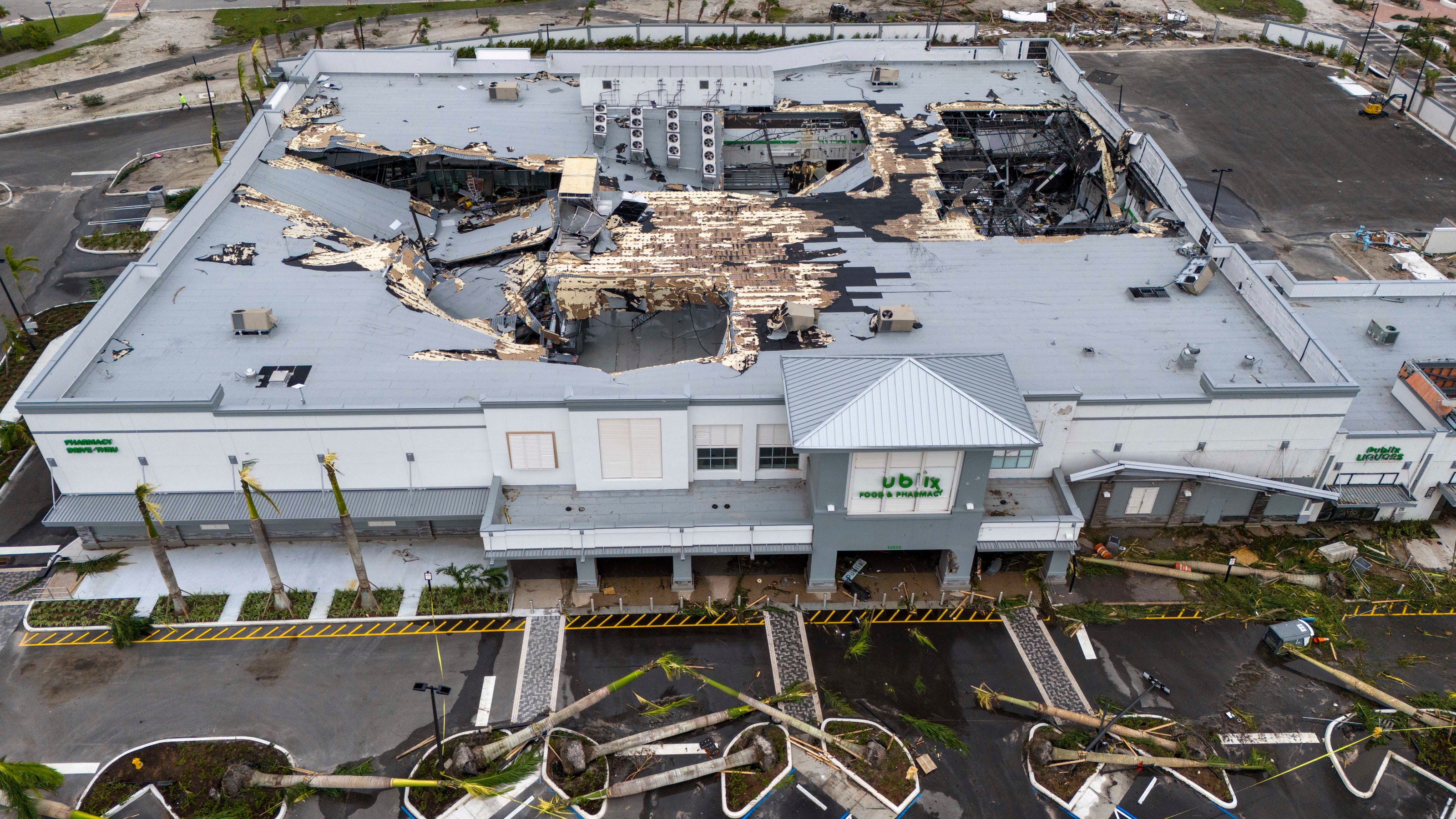
Over 8% of Florida’s housing consists of mobile homes. While the state doesn’t legally require mobile home insurance, many lenders and mobile home communities do. Even without those requirements, owners still face serious risks — hurricanes, fire, theft, and unexpected relocations among them.
Because these homes are more vulnerable to wind and weather damage, premiums can run higher. Fortunately, insurers now offer policies tailor-made for their specific structure and risk profile.
What HO-7 Mobile Home Insurance Typically Covers
Mobile home insurance is similar to standard homeowners insurance, but incorporates protections designed for factory-built homes. Most policies include:
- Dwelling coverage for the home itself
- Personal property coverage for belongings
- Other structures such as sheds or detached garages
- Additional living expenses for temporary housing
- Personal liability for injury or accidental damage
What’s Not Covered?
HO-7 policies, like traditional homeowners insurance, have exclusions. These often include:
- Flood damage (requires separate flood insurance)
- Earthquake damage (optional add-ons may exist)
- Wear, tear, mold, rust, and pest damage
Top Mobile Home Insurance Providers in Florida
According to Insurify’s analysis, Florida’s standout insurers for 2026 include:
- Foremost: Great for older homes; offers replacement cost coverage.
- State Farm: Flexible deductibles and add-ons such as cyber event protection.
- Farmers: Agent-driven service with multiple discount options.
- HomeFirst: Includes flood coverage and works with lower credit tiers.
Premiums vary based on home age, condition, location, and claims history. Due to Florida’s weather risks, statewide premiums trend higher than the national average.
Ways to Save on Mobile Home Insurance
You can save money — and insurers reward specific actions. Consider the following:
- Get quotes from multiple insurers
- Bundle your policies
- Install approved safety features
- Improve your credit score
- Choose a higher deductible
- Earn tie-down or wind mitigation certifications
Tip for Professionals: If you’re pursuing your Florida real estate license or expanding into insurance or mortgage fields, Cameron Academy offers career-building programs that help you guide clients confidently through mobile home ownership.
Is It Difficult to Insure a Mobile Home in Florida?
It can be. Many insurers view mobile homes as higher-risk, especially along coastal regions. Still, providers like Farmers, Foremost, HomeFirst, and State Farm — plus Citizens as a last-resort option — make it possible for owners to secure reliable coverage.
What Florida Owners Are Asking
Common concerns include whether insurance is required (it’s not), what coverage limits they should choose, how older homes affect eligibility, and what to do after major damage.
Ultimately, the best policy depends on your home’s replacement cost, your preferred deductible, and how much protection you want for belongings and liability.
Final Thoughts
Florida’s mobile home market is expanding rapidly — and with that growth comes the need for strong, clear insurance solutions. Whether you’re a homeowner, an aspiring licensee, or a seasoned industry pro, staying informed empowers you to make the right decisions.
Cameron Academy remains committed to helping professionals elevate their careers with confidence, from real estate to insurance and beyond.