Florida’s Push for Insurance Transparency: What HB 767 Could Mean for Homeowners and Professionals
As insurance premiums climb statewide, a new bill gaining momentum in Tallahassee is aiming to give Floridians something they’ve been demanding for years: transparency.
The Florida House has unanimously passed HB 767 by a vote of 114–0 — a rare display of unity in a time when homeowners are searching for answers. Rather than capping premiums, the bill focuses on something more foundational: forcing insurers to publicly disclose rates, premiums, and related information not protected as trade secrets.
If it becomes law, this information would be posted directly on the state’s insurance website, giving policyholders a clearer look at why rates are rising and how insurers determine what they charge.
Why Transparency Matters Right Now
State Rep. Yvette Benarroch of Naples, who filed the bill, captured the urgency behind HB 767:
“Right now, affordability is an issue for the whole state and insurance is part of the problem, so we want to make sure that little by little we can get to where they trust us again, because right now I can tell you constituents do not trust insurance companies, and they do not trust government.”
Her comments echo the frustration felt by homeowners, real estate agents, mortgage professionals, and insurance licensees across Florida. With premiums deeply influencing home affordability and market activity, clarity is becoming a must-have tool rather than a luxury.
Why This Matters for Florida Professionals
Whether you’re navigating the real estate market, advising mortgage clients, or working within the insurance sector, understanding bills like HB 767 is essential. These legislative shifts influence consumer confidence, market behavior, and the conversations professionals have every day.
That’s why organizations such as Cameron Academy emphasize staying informed. For those pursuing or renewing licenses in real estate, insurance, mortgage, or other regulated fields, keeping up with evolving laws ensures your credibility — and your effectiveness — remain strong.
What Happens Next?
The bill now moves to the Florida Senate. If approved and signed by the governor, insurers may soon be required to provide a level of transparency many Floridians have been waiting for.
To follow the original reporting and ongoing updates, visit WPTV News, where journalist Matt Sczesny continues digging into Florida’s insurance landscape.
More Articles
Getting licensed or staying ahead in your career can be a journey—but it doesn’t have to be overwhelming. Grab your favorite coffee or tea, take a moment to relax, and browse through our articles. Whether you’re just starting out or renewing your expertise, we’ve got tips, insights, and advice to keep you moving forward. Here’s to your success—one sip and one step at a time!
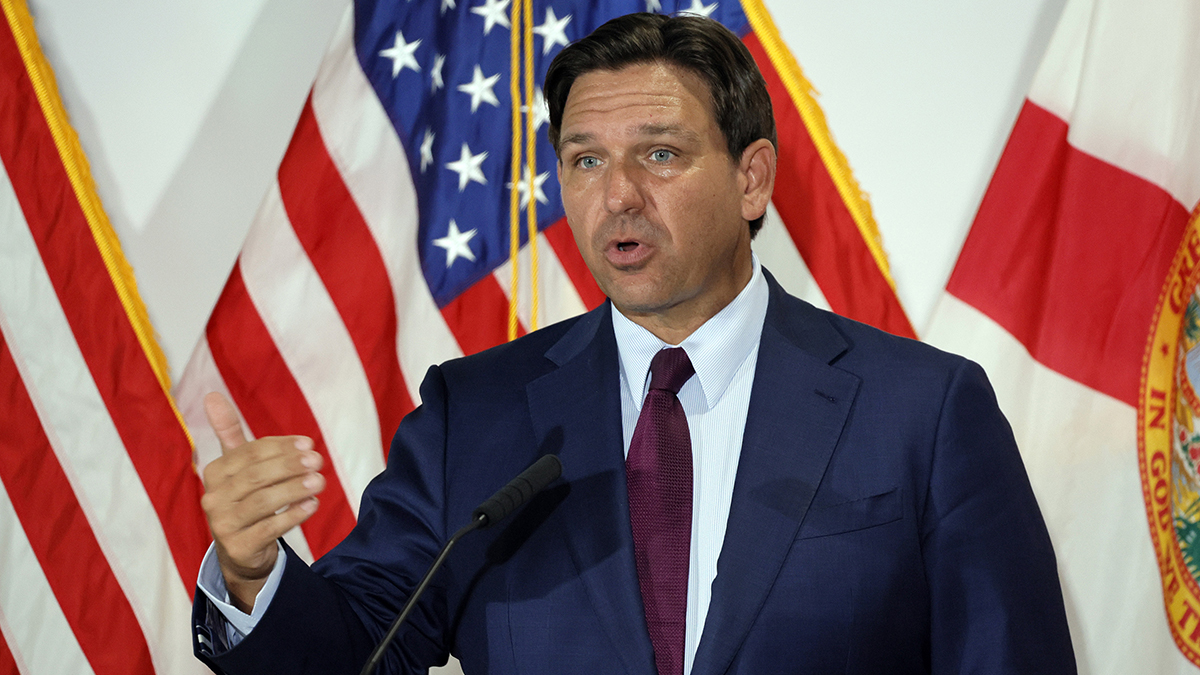
Florida homeowners — especially in hard‑hit South Florida — are set to see rare and substantial reductions in their property insurance premiums. Gov. Ron DeSantis announced an average statewide Citizens Insurance decrease of 8.7%, with even larger savings of up to 14% in counties like Miami-Dade, Broward, and Palm Beach. State officials credit recent legal and regulatory reforms for stabilizing the market, attracting new insurers, and delivering the first meaningful rate relief Floridians have seen in years.
Tampa’s commercial real estate market isn’t slowing—it’s maturing. With strong population growth, rising office demand, a normalized industrial sector, resurgent retail, and an emerging health‑care real estate boom, investors are shifting from speed to strategy. Tighter underwriting, cautious capital and increased due‑diligence are shaping a more disciplined market, creating new opportunities for informed professionals.
Florida homeowners are finally seeing relief as Citizens Property Insurance announces a major 8.7% average rate decrease—far larger than originally proposed. Driven by legislative reforms, fewer lawsuits, and a calm hurricane season, the state’s once‑unstable insurance market is showing real signs of recovery. But with reduced coverage limits and shifting legal protections, experts warn that lower premiums may come with hidden trade‑offs.
After a decade of rising premiums and retreating carriers, Florida homeowners are finally seeing long‑awaited relief. Dozens of insurers have filed for rate decreases—some as high as 11%—thanks to legislative reforms and a stabilizing market. Early approvals are already hitting counties across the state, and experts say the momentum could boost buyer confidence, affordability, and competition throughout Florida’s real estate and insurance sectors.
After years of slowed activity caused by rising interest rates, the self‑storage industry is heating up again. New data from Marcus & Millichap shows a fresh market cycle emerging, driven by renewed buyer confidence, recalibrated pricing, and stronger lender participation. Acquisitions are rebounding, development is resetting in a healthier direction, and financing conditions are improving—creating one of the most promising investment landscapes the sector has seen in years.
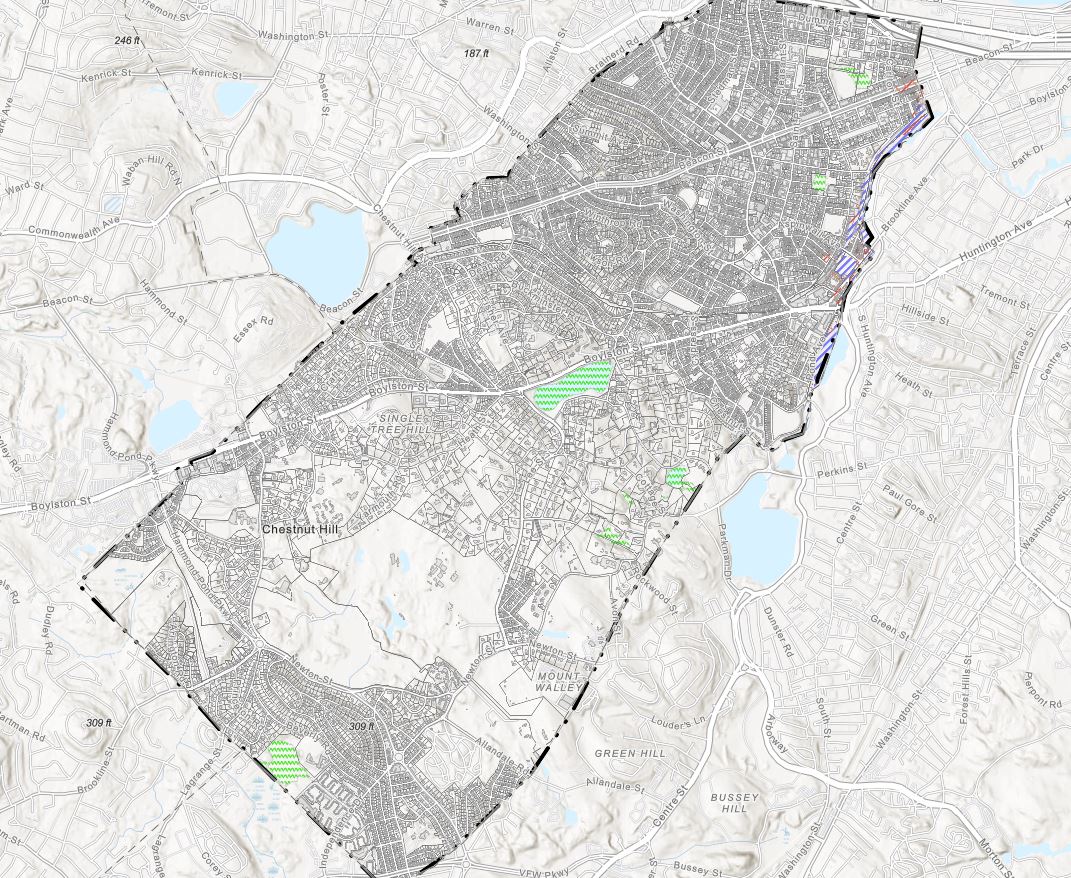
Brookline’s newly updated FEMA flood maps identify 97 high‑risk parcels, but local experts warn the true threat is far greater. While FEMA highlights river‑based flooding around Leverett Pond and the Muddy River, alternative models show more than 1,300 Brookline properties at risk within 30 years. Hidden vulnerabilities along major corridors like Beacon Street, rising rainfall intensity, aging infrastructure, and climate‑driven storm patterns suggest that many “low‑risk” areas may be anything but safe.