Florida’s Property Insurance Battle Heats Up as 2026 Looms
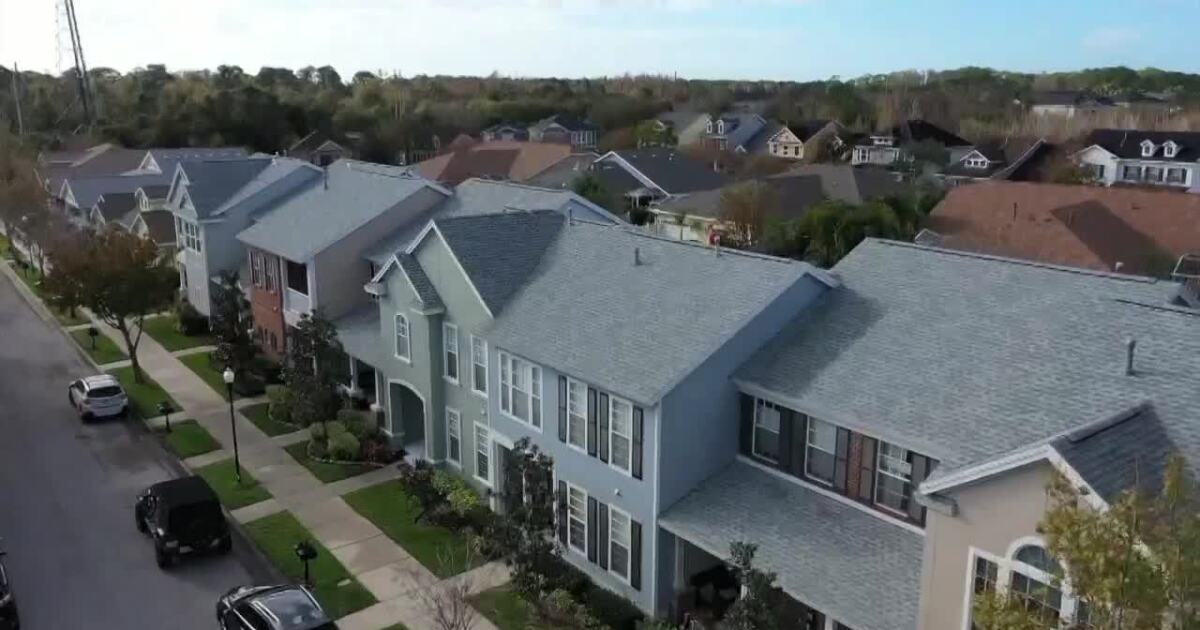
Florida townhomes aerial view

Florida’s insurance market is once again taking center stage, and the political arena is gearing up for a showdown that may define the 2026 election cycle. Homeowners, condo associations, landlords, and everyday drivers continue battling soaring premiums, while both state parties push competing stories about what’s happening—and what comes next.

Reforms Are Working, Republicans Say

Florida CFO Blaise Ingoglia is doubling down on the state’s sweeping insurance reforms, arguing that the worst is finally behind us. He highlights litigation cleanups, fraud crackdowns, and a reshaped reinsurance landscape as clear momentum.

“Clearly the reforms are working,” Ingoglia said, pointing to early signs such as Progressive returning $1 billion to policyholders and State Farm cutting auto rates by 10%.

Read the Original WPTV Report

While acknowledging continuing pressure on homeowners, Ingoglia notes that more carriers are returning to Florida and reinsurance pricing is gradually easing—two major ingredients, he argues, for meaningful relief ahead.

Democrats Push Back: “Families Can’t Wait”

Democratic leaders counter that Floridians remain among the hardest‑hit insurance consumers in the United States. Senate Minority Leader Lori Berman has emphasized that insurance premiums—not property taxes—are Florida’s real affordability crisis.

Fresh national housing data supports her concerns: Florida condo prices have dropped more than 8%, fueled by steep HOA assessments and post‑Surfside insurance spikes. Five Florida metros now rank in the top ten for highest insurance burdens nationwide.

Bankrate reports Floridians pay over $4,100 per year for auto insurance—the highest rate in America.

See Realtor.com’s Condo Market Research

House Minority Leader Fentrice Driskell argues that Florida needs clearer rate‑hike caps, greater transparency, and stronger incentives that reward storm‑hardening instead of shifting costs onto homeowners.

2026: The Big Showdown

Insurance will almost certainly dominate Florida’s 2026 political season. From families squeezed by premiums to businesses weighing risk exposure to real estate professionals navigating a more unpredictable market, affordability is now the defining issue of the moment.

Lawmakers return to Tallahassee on January 13, preparing for what many expect to be a headline battle over how fast—if at all—the insurance market is stabilizing.

Why This Matters for Real Estate and Licensing Professionals

For Florida agents, brokers, appraisers, and property managers, insurance market conditions directly influence homebuying demand, condo lending, closings, and long‑term property values. Understanding these policy battles is becoming just as essential as understanding the MLS itself.

Cameron Academy continues empowering real estate professionals by keeping them informed about industry‑shaping changes like these. Whether you’re renewing your Florida real estate license or stepping into the industry for the first time, understanding insurance trends is quickly becoming core local knowledge.

Explore Cameron Academy Licensing & CE Programs

More Articles

Getting licensed or staying ahead in your career can be a journey—but it doesn’t have to be overwhelming. Grab your favorite coffee or tea, take a moment to relax, and browse through our articles. Whether you’re just starting out or renewing your expertise, we’ve got tips, insights, and advice to keep you moving forward. Here’s to your success—one sip and one step at a time!

Free Annual Florida Real Estate Sales Associate 63-Hour Pre-License Course Livestream: A Gateway to Your Real Estate Career

Cameron Academy is thrilled to offer the Free Annual Florida Real Estate Sales Associate 63-Hour Pre-License Course Livestream. This exclusive event is an opportunity for aspiring real estate professionals to gain expert instruction, access a comprehensive curriculum, and connect with a network of professionals in the industry. The course will be livestreamed from December 04-15, 2023, allowing you to participate from the comfort of your own home or office. Register now to secure your spot in this highly sought-after course. Spaces are limited, so early registration is highly recommended. Take the first step towards your real estate career today!

New President of Franchise Operations Welcomed at Coldwell Banker

Coldwell Banker, a renowned real estate brand, has recently appointed Jason Waugh as the new president of Coldwell Banker Affiliates. In his new role, Waugh will be responsible for overseeing the brand's strategy, operations, and sales for its growing network of franchises. This appointment comes as Coldwell Banker aims to further strengthen its position in the real estate market. With an impressive background in the industry, Waugh brings a wealth of experience to his new position. Previously associated with Berkshire Hathaway HomeServices and Berkshire Hathaway Home Services Real Estate Professionals for 18 years, Waugh's expertise and leadership qualities make him an ideal fit for this role.

2024 Conforming Loan Limits Raised by UWM: Insights for Homebuyers and the Housing Market

United Wholesale Mortgage (UWM), the country's leading lender, has increased its agency conforming loan limits to $750,000. This move, ahead of the Federal Housing Finance Agency's expected decision, applies to conventional and VA loans locked from October 11. The decision offers borrowers greater flexibility and access to larger loan amounts, with the benefits of conforming loans. These loans meet the guidelines set by government-sponsored enterprises like Fannie Mae and Freddie Mac, offering lower interest rates and more favorable terms compared to non-conforming or jumbo loans.

By |October 14, 2023|Categories: Mortgage Industry|Tags: |0 Comments

Cost-Cutting Strategy at PNC Bank Leads to Staff Layoffs

PNC Bank has implemented a cost-cutting strategy, leading to layoffs and a shift in focus towards expense management and strategic priorities. The bank aims to streamline operations, improve efficiency, and reallocate resources to align with long-term goals. Despite the layoffs, PNC Bank is committed to supporting affected employees during the transition period. Learn more about PNC Bank's strategy and its impact on the industry at Cameron Academy, a leading career education school.

By |October 13, 2023|Categories: Banking Industry|Tags: |0 Comments

GSE Loan Buybacks’ Effect on Lenders and the Mortgage Market

Government-sponsored enterprise (GSE) loan buybacks have emerged as a significant issue for lenders in the mortgage market. The sudden increase in buybacks from entities like Fannie Mae and Freddie Mac is causing financial and operational strain among lenders. The rise in loan buybacks is largely due to stricter underwriting guidelines enforced by these GSEs. The impact of these buybacks is significant and far-reaching. Lenders not only face financial losses from repurchasing loans, but they also encounter operational challenges. The surge in loan buybacks has created uncertainty in the mortgage market, potentially slowing down the housing market. In response to the challenges posed by loan buybacks, lenders are implementing stricter underwriting practices and enhancing their quality control processes.

By |October 13, 2023|Categories: Mortgage Market|Tags: |0 Comments

An Unexpected Slowdown in Housing Inventory Growth Amid Rising Mortgage Rates

The housing market is currently witnessing an unusual trend - a deceleration in the growth of housing inventory, despite the rise in mortgage rates. This unexpected development has triggered concerns among potential buyers and industry experts. With mortgage rates climbing from their historic lows, the number of homes available for sale remains surprisingly stagnant. We investigate the factors contributing to this unexpected stagnation in inventory growth and examine the implications of rising mortgage rates, limited new listings, and an increase in price cuts. We also consider the impact of external elements such as labor reports and geopolitical risks on the housing market.