Florida’s Property Insurance Battle Heats Up as 2026 Looms
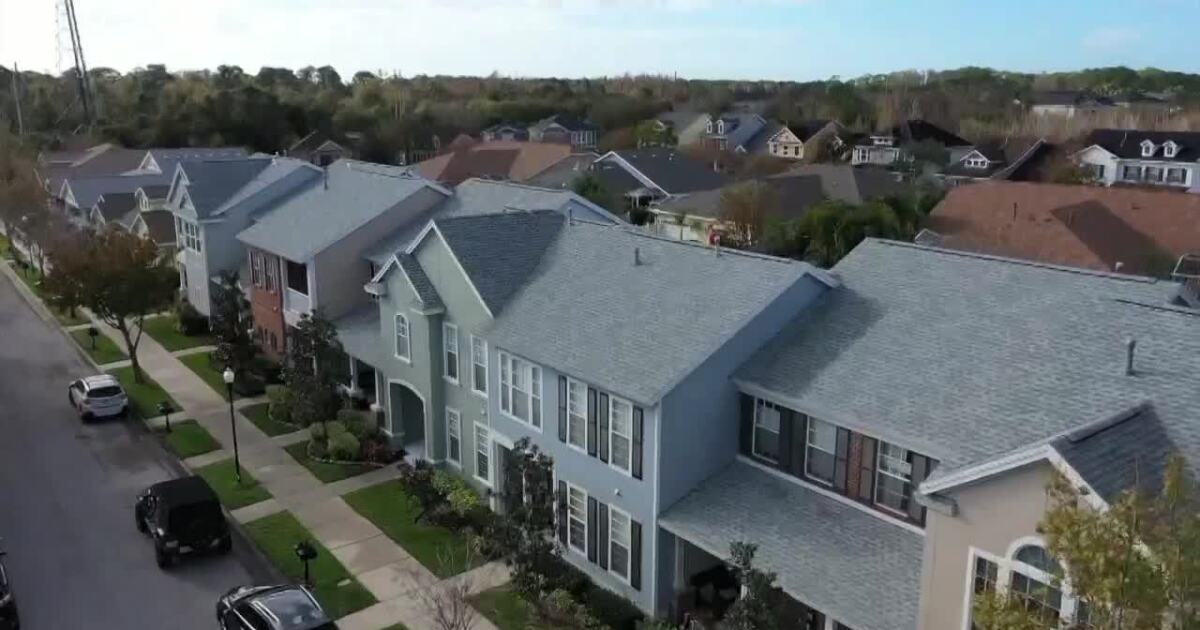
Florida townhomes aerial view

Florida’s insurance market is once again taking center stage, and the political arena is gearing up for a showdown that may define the 2026 election cycle. Homeowners, condo associations, landlords, and everyday drivers continue battling soaring premiums, while both state parties push competing stories about what’s happening—and what comes next.

Reforms Are Working, Republicans Say

Florida CFO Blaise Ingoglia is doubling down on the state’s sweeping insurance reforms, arguing that the worst is finally behind us. He highlights litigation cleanups, fraud crackdowns, and a reshaped reinsurance landscape as clear momentum.

“Clearly the reforms are working,” Ingoglia said, pointing to early signs such as Progressive returning $1 billion to policyholders and State Farm cutting auto rates by 10%.

Read the Original WPTV Report

While acknowledging continuing pressure on homeowners, Ingoglia notes that more carriers are returning to Florida and reinsurance pricing is gradually easing—two major ingredients, he argues, for meaningful relief ahead.

Democrats Push Back: “Families Can’t Wait”

Democratic leaders counter that Floridians remain among the hardest‑hit insurance consumers in the United States. Senate Minority Leader Lori Berman has emphasized that insurance premiums—not property taxes—are Florida’s real affordability crisis.

Fresh national housing data supports her concerns: Florida condo prices have dropped more than 8%, fueled by steep HOA assessments and post‑Surfside insurance spikes. Five Florida metros now rank in the top ten for highest insurance burdens nationwide.

Bankrate reports Floridians pay over $4,100 per year for auto insurance—the highest rate in America.

See Realtor.com’s Condo Market Research

House Minority Leader Fentrice Driskell argues that Florida needs clearer rate‑hike caps, greater transparency, and stronger incentives that reward storm‑hardening instead of shifting costs onto homeowners.

2026: The Big Showdown

Insurance will almost certainly dominate Florida’s 2026 political season. From families squeezed by premiums to businesses weighing risk exposure to real estate professionals navigating a more unpredictable market, affordability is now the defining issue of the moment.

Lawmakers return to Tallahassee on January 13, preparing for what many expect to be a headline battle over how fast—if at all—the insurance market is stabilizing.

Why This Matters for Real Estate and Licensing Professionals

For Florida agents, brokers, appraisers, and property managers, insurance market conditions directly influence homebuying demand, condo lending, closings, and long‑term property values. Understanding these policy battles is becoming just as essential as understanding the MLS itself.

Cameron Academy continues empowering real estate professionals by keeping them informed about industry‑shaping changes like these. Whether you’re renewing your Florida real estate license or stepping into the industry for the first time, understanding insurance trends is quickly becoming core local knowledge.

Explore Cameron Academy Licensing & CE Programs

More Articles

Getting licensed or staying ahead in your career can be a journey—but it doesn’t have to be overwhelming. Grab your favorite coffee or tea, take a moment to relax, and browse through our articles. Whether you’re just starting out or renewing your expertise, we’ve got tips, insights, and advice to keep you moving forward. Here’s to your success—one sip and one step at a time!

The Future of Commercial Real Estate: What 2030 Could Really Look Like

Commercial real estate is entering a decade of major transformation driven by interest rate pressures, evolving work culture, rapid proptech innovation, and growing demand for AI-focused infrastructure. While the global CRE market is projected to reach $133.5 trillion by 2028, rising rates, shifting office demand, and increasing sustainability requirements are reshaping how professionals invest, manage, and develop properties. By 2030, the biggest opportunities will center on mixed‑use conversions, data center growth, premium office spaces, and ESG‑driven upgrades.

NAR’s Antitrust Settlement Reshapes Real Estate: What Every Agent Needs to Know

The National Association of Realtors’ landmark antitrust settlement is transforming how real estate agents negotiate compensation, work with buyers, and handle transparency in transactions. With MLS‑posted buyer‑broker commissions eliminated and written buyer agreements now required, both consumers and professionals are navigating a new, more transparent landscape. While commission levels have only dipped slightly, the real shift is in how openly compensation is discussed and negotiated—creating new challenges and opportunities for agents who adapt quickly.

AI Supercharges Proptech in 2025: A Market Maturing at High Speed

Artificial intelligence is no longer a novelty in real estate — 2025 marks its breakthrough year as a dependable pillar of the proptech industry. With investors pouring capital into AI‑powered forecasting, security, automation, and property management tools, the sector is shifting from experimentation to full‑scale adoption. Brokerages, developers, and institutional players now rely on AI to streamline due diligence, enhance market modeling, reduce risk, and optimize building operations. As adoption accelerates, professionals who understand and leverage these technologies are gaining a decisive competitive edge in fast‑moving markets like Florida.

Too Many Cooks in the Kitchen? The 2026 Insurance Outlook Everyone’s Watching

A new episode of Current Account breaks down why the insurance industry is heading into 2026 with more uncertainty — and more opportunity — than ever. From shifting global regulations and rising catastrophe risks to FSOC’s evolving role in the U.S., industry leaders Jérôme Haegeli and Philippe Brahin explain how insurers are being pushed to rethink strategy in real time. With global premium growth expected to slow and regulatory pressures rising, professionals in insurance and financial services are turning to education and new skills to stay ahead in a rapidly changing market.

New Jersey’s Commercial Real Estate Boom: The Surprising Power Move Shaping 2026

New Jersey is quietly becoming one of the hottest commercial real estate markets in the nation, with Jersey City and North Jersey breaking into the top 10 in PwC’s 2026 Emerging Trends report. Fueled by redevelopment momentum, data‑center demand, mixed‑use transformations and a surge in health‑care projects, the state is drawing major investors while still battling rising construction costs and municipal fatigue. For real estate professionals, the Garden State’s evolution signals fresh opportunity—and a market worth watching closely heading into 2026.

NCOIL Challenges Trump’s AI Order, Warning of Major Impacts on Insurance Regulation

The National Council of Insurance Legislators is pushing back against President Trump’s new executive order on artificial intelligence, arguing that it threatens decades of state‑based insurance oversight. NCOIL leaders say federal attempts to centralize AI authority could disrupt markets, weaken consumer protections, and limit states’ ability to innovate—setting the stage for a significant legal and political battle with major implications for insurance professionals who rely on AI‑driven tools and regulatory clarity.