Florida’s Property Insurance Battle Heats Up as 2026 Looms

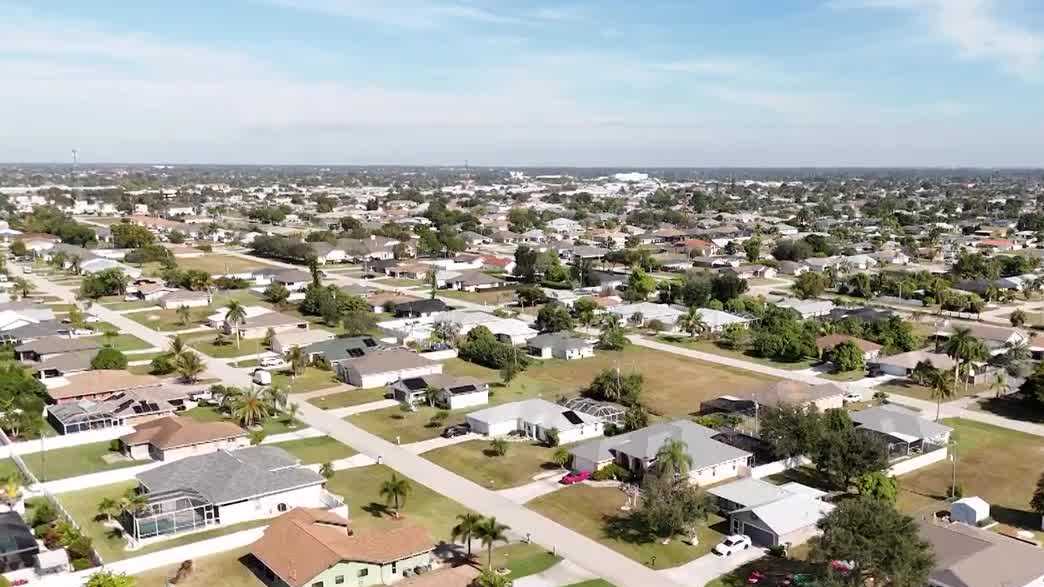
Florida townhomes aerial view

Florida’s insurance market is once again taking center stage, and the political arena is gearing up for a showdown that may define the 2026 election cycle. Homeowners, condo associations, landlords, and everyday drivers continue battling soaring premiums, while both state parties push competing stories about what’s happening—and what comes next.

Reforms Are Working, Republicans Say

Florida CFO Blaise Ingoglia is doubling down on the state’s sweeping insurance reforms, arguing that the worst is finally behind us. He highlights litigation cleanups, fraud crackdowns, and a reshaped reinsurance landscape as clear momentum.

“Clearly the reforms are working,” Ingoglia said, pointing to early signs such as Progressive returning $1 billion to policyholders and State Farm cutting auto rates by 10%.

Read the Original WPTV Report

While acknowledging continuing pressure on homeowners, Ingoglia notes that more carriers are returning to Florida and reinsurance pricing is gradually easing—two major ingredients, he argues, for meaningful relief ahead.

Democrats Push Back: “Families Can’t Wait”

Democratic leaders counter that Floridians remain among the hardest‑hit insurance consumers in the United States. Senate Minority Leader Lori Berman has emphasized that insurance premiums—not property taxes—are Florida’s real affordability crisis.

Fresh national housing data supports her concerns: Florida condo prices have dropped more than 8%, fueled by steep HOA assessments and post‑Surfside insurance spikes. Five Florida metros now rank in the top ten for highest insurance burdens nationwide.

Bankrate reports Floridians pay over $4,100 per year for auto insurance—the highest rate in America.

See Realtor.com’s Condo Market Research

House Minority Leader Fentrice Driskell argues that Florida needs clearer rate‑hike caps, greater transparency, and stronger incentives that reward storm‑hardening instead of shifting costs onto homeowners.

2026: The Big Showdown

Insurance will almost certainly dominate Florida’s 2026 political season. From families squeezed by premiums to businesses weighing risk exposure to real estate professionals navigating a more unpredictable market, affordability is now the defining issue of the moment.

Lawmakers return to Tallahassee on January 13, preparing for what many expect to be a headline battle over how fast—if at all—the insurance market is stabilizing.

Why This Matters for Real Estate and Licensing Professionals

For Florida agents, brokers, appraisers, and property managers, insurance market conditions directly influence homebuying demand, condo lending, closings, and long‑term property values. Understanding these policy battles is becoming just as essential as understanding the MLS itself.

Cameron Academy continues empowering real estate professionals by keeping them informed about industry‑shaping changes like these. Whether you’re renewing your Florida real estate license or stepping into the industry for the first time, understanding insurance trends is quickly becoming core local knowledge.

Explore Cameron Academy Licensing & CE Programs

More Articles

Getting licensed or staying ahead in your career can be a journey—but it doesn’t have to be overwhelming. Grab your favorite coffee or tea, take a moment to relax, and browse through our articles. Whether you’re just starting out or renewing your expertise, we’ve got tips, insights, and advice to keep you moving forward. Here’s to your success—one sip and one step at a time!

Commercial Real Estate Deal Growth Stalls: What Slowing Momentum Means for 2026

Commercial real estate deal activity dipped in October for the first time since early 2024, signaling a widening disconnect between buyer and seller pricing expectations in a high‑rate environment. While overall sales remain strong—and even above 2024 levels—the sharp slowdown in momentum highlights rising caution across sectors. Multifamily saw a steep 27% drop in volume, hospitality was the lone sector to grow, and institutional buyers are increasingly targeting discounted office assets. With mortgage originations rebounding but lenders staying selective, 2026 will hinge on how quickly the market aligns on pricing and capital costs.

The Four Hidden Ways Financial Advice Creates Real Value

New Vanguard research reveals that the real impact of financial advisors goes far beyond market performance. Investors say the greatest value comes from peace of mind, personalized planning, emotional reassurance, and the time saved by having a trusted expert manage their financial life. The study highlights a major shift in what clients truly want: confidence, clarity, and guidance that aligns with their personal definition of financial success.

Self‑Storage Sales Explode 62% as Investors Pounce on High‑Barrier Markets

U.S. self‑storage deals surged nearly $1.6 billion in Q3 2025, marking a 62% year‑over‑year jump and the sector’s strongest resurgence in years. REITs paid steep premiums to lock down top‑tier, land‑restricted markets, while states like Florida, California, and Georgia led all sales. New York City dominated with record‑high pricing of $526 per square foot, underscoring the asset class’s resilience and the renewed appetite for specialty commercial investments heading into 2026.

Florida Homeowners Get Long‑Awaited Break as Citizens Insurance Announces Major Rate Cuts

Nearly half a million Florida homeowners are finally seeing relief as Citizens Insurance plans to reduce premiums by up to 11%. After years of rising costs and limited coverage options, the insurer’s shrinking policy load and reduced risk are allowing meaningful savings—averaging about $400 per year for most customers. With several private carriers also lowering rates, experts say this could mark the beginning of a long‑needed stabilization in Florida’s insurance and real estate markets.

Colorado’s 2026 Economic Forecast Shows Slow Population Growth but Strong Momentum

Colorado heads into 2026 with steady economic strength despite slowing population growth. The latest forecast from the Leeds School of Business projects 17,500 new jobs, rising incomes, and GDP growth outpacing the national average. Most major industries will expand, even as migration slows and labor shortages persist.

The 2025 Corporate Layoff Wave: How the Job Market Is Reshaping for Modern Professionals

Layoffs across tech, energy, retail, aviation, and education are redefining the 2025 workforce as companies cut costs and accelerate their adoption of AI. Major employers like Amazon, Meta, UPS, and Chevron are restructuring thousands of roles, signaling one of the most significant employment shifts in years. But while traditional positions shrink, demand is rising in fields tied to AI, data, cybersecurity, compliance, and licensed professions. For workers willing to reskill or pivot—especially into areas like real estate, insurance, finance, or other certification‑based careers—new opportunities continue to grow despite the turbulence.