Florida’s Property Tax Showdown: Why Eliminating Taxes Could Spike Home Prices Overnight
Florida property tax debate

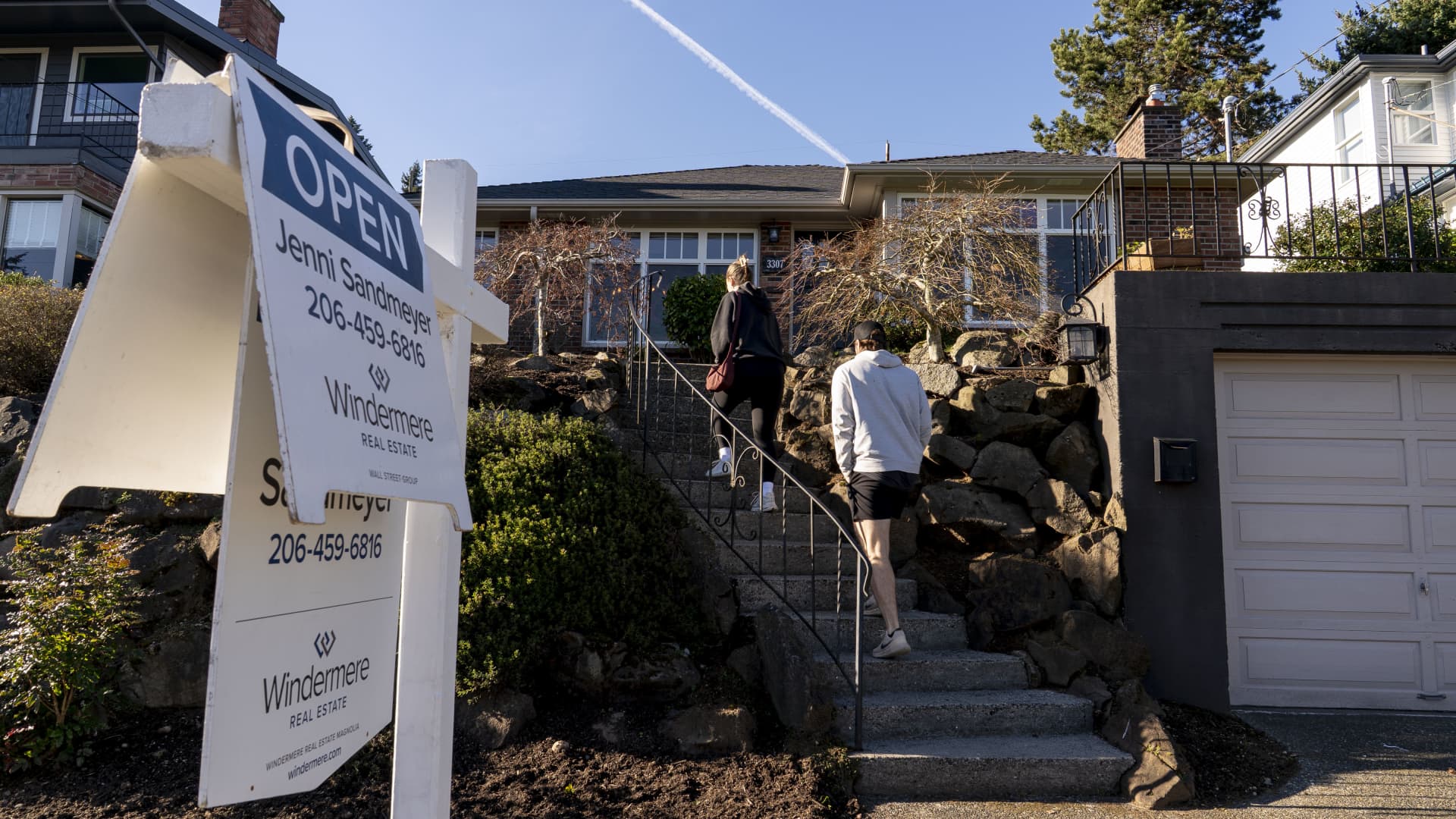
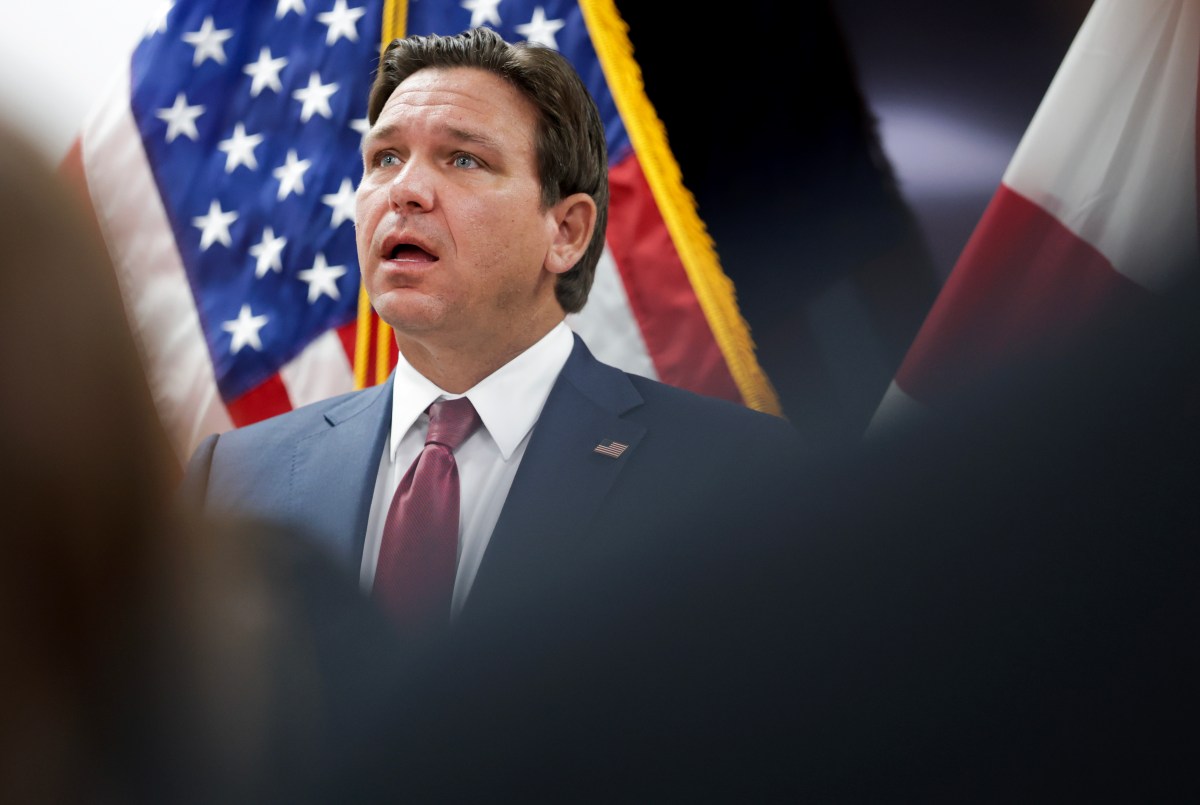
Florida’s housing market may be barreling toward one of the most high-stakes policy battles in state history. As Governor Ron DeSantis continues pushing a proposal to eliminate property taxes entirely, new research from Realtor.com suggests home prices could surge an immediate 7 to 9 percent if the measure were enacted.

That kind of jump—while appealing to current homeowners—would intensify an already fragile affordability landscape for future buyers.

Why This Matters for Florida Homeowners and Future Buyers

Like the rest of the country, Florida has been wrestling with steep housing costs driven by pandemic inflation, record property value increases, insurance spikes, and climbing mortgage rates. With home values soaring, property taxes followed suit—tightening budgets for millions of residents.

Removing property taxes may sound like a relief, but according to several economists, it could paradoxically make homeownership even harder for first-timers by fueling rapid price escalation.

The Push to Eliminate Property Taxes

Governor DeSantis has repeatedly described property taxes as oppressive, claiming homeowners shouldn’t feel like they’re paying “rent to the government.” His message—echoed across social platforms and public appearances—has ignited strong support among those struggling with tax burdens.

Yet analysts warn that Florida cannot simply erase property taxes without replacing the billions they generate annually. Dr. Esteban Leonardo Santis of the Florida Policy Institute told Newsweek that removing them would force the state to raise sales taxes or create entirely new revenue systems.

“Any of these proposals are cost shifts,” Santis said. “So the question right now is who is going to pay for it?”

What the Experts Are Saying

Realtor.com senior economist Joel Berner: “It would be a boon to existing property owners. But this measure would disproportionately benefit wealthy Floridians at the expense of those who don’t own homes.”

Real estate economist Ken Johnson went further, noting that while the proposal may appear sustainable during economic booms, a recession could quickly turn it catastrophic. With nearly 10 percent of Florida homes being vacation properties, a downturn could trigger selloffs—sending prices and revenue sinking simultaneously.

“A major U.S. recession could crash Florida housing and, at the same time, dry up the Florida budget,” Johnson warned.

What Happens Next?

Lawmakers seem reluctant to endorse a full repeal of property taxes, instead exploring targeted reductions. Among the proposals is a measure to remove tax from non-school homesteads, offering partial help without dismantling the system entirely.

Even former state senator Jeff Brandes criticized the governor’s plan, calling it more political slogan than practical policy.

To eliminate property taxes statewide, voters would need to approve a constitutional amendment requiring a 60 percent majority—a formidable obstacle.

What This Means for Real Estate Professionals

For agents, investors, and aspiring professionals, the implications are enormous. A sudden 7–9 percent increase in prices would reshape negotiations, evaluation strategies, and market entry points overnight.

If you’re preparing for a real estate career—or growing your licensing portfolio—staying ahead of legislation like this is essential. Cameron Academy remains committed to helping new and seasoned professionals stay informed through flexible licensing programs, continuing education, and up-to-the-minute industry insights.

Source Acknowledgments

Information for this article was sourced from Newsweek and Realtor.com. Explore their full reports below:

Read the original Newsweek article

Read the Realtor.com analysis

More Articles

Getting licensed or staying ahead in your career can be a journey—but it doesn’t have to be overwhelming. Grab your favorite coffee or tea, take a moment to relax, and browse through our articles. Whether you’re just starting out or renewing your expertise, we’ve got tips, insights, and advice to keep you moving forward. Here’s to your success—one sip and one step at a time!

Is a Real Estate Rebound on the Horizon? The 3X ETF Making Waves With Bold Investors

After years of sluggish commercial real estate performance, falling interest rates may finally set the stage for a market rebound. As the Federal Reserve signals further cuts, investors are eyeing REITs—and especially the Direxion Real Estate Bull 3X ETF (DRN), a leveraged fund designed to triple the daily movement of major commercial real estate stocks. DRN offers powerful upside potential during a rally, but its high‑risk, short‑term nature means it’s best suited for experienced traders who understand volatility and the mechanics of leverage.

Florida’s Bold New Bill Could Require Employers to Help Pay First-Time Homebuyers’ Costs

A new proposal in Florida’s legislature could reshape the path to homeownership for working residents. House Bill 311, championed by State Rep. Jervonte Edmonds, would require certain private employers to contribute up to $5,000 toward their first-time homebuyer employees’ down payments or closing costs. Backed by bipartisan support, the bill ties employer tax write-offs directly to helping workers purchase homes, marking a unique approach to housing affordability. Now moving through committee, HB 311 could become one of the nation’s most innovative employer-assisted housing programs.

AI Forces Real Estate to Finally Clean Up Its Data Chaos

Artificial intelligence is pushing the real estate industry to confront a long‑standing problem: its data is fragmented, inconsistent, and nearly impossible for AI systems to interpret. From leases and rent rolls to county records and work orders, nothing is standardized, making AI adoption costly and inefficient. Industry leaders are now turning toward shared data standards and ontologies—like OSCRE’s “smart data highway”—to create cleaner, interoperable information systems. As real estate evolves, professionals who understand data and AI will have a major advantage, and schools like Cameron Academy are helping prepare them for this shift.

January Home Sales Plunge 8.4%, Sparking Fears of a “New Housing Crisis”

The U.S. housing market stumbled into 2026 as January home sales tumbled 8.4% from December, hitting their lowest pace in over a year. With inventory still tight, prices rising, and market activity stagnating, NAR’s chief economist warns that Americans—especially renters—are “stuck” in a new kind of housing crisis. Despite improving affordability on paper, sluggish movement and regional declines signal a market demanding sharper strategy and adaptability from today’s real estate professionals.

5 Best Home Insurance Companies of 2026: What Homeowners and Real Estate Pros Need to Know

A fresh 2026 analysis reveals the top home insurance companies in the U.S., breaking down which carriers offer the best value, coverage options, and customer satisfaction. State Farm leads for customer experience, American Family shines for first-time buyers, and Allstate, Farmers, and Nationwide each earn top marks in specialized categories. With Florida’s premiums surging to more than double the national average, industry pros and homeowners alike gain a clear advantage by understanding which insurers remain strong—especially as weather risks, insurer withdrawals, and rising reconstruction costs reshape the market.

Florida Insurance Costs Drop 14.5% as Reforms Spark $4.2B in Economic Growth

A new Perryman Group analysis shows Florida’s 2022–2023 insurance reforms are paying off, lowering property‑casualty costs by 14.5% and generating more than $4.2 billion in economic activity. With over 29,000 jobs created and premium increases nearly flat in 2025, the state’s long‑troubled insurance market is finally stabilizing as major carriers reduce rates and return to the market.