Florida’s Real Estate Cooldown: When Insurance Becomes the Hottest Part of the Deal
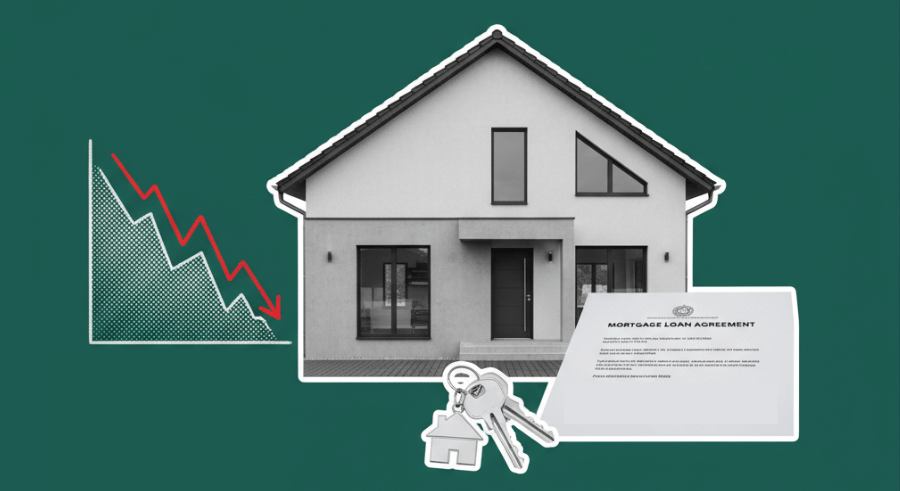
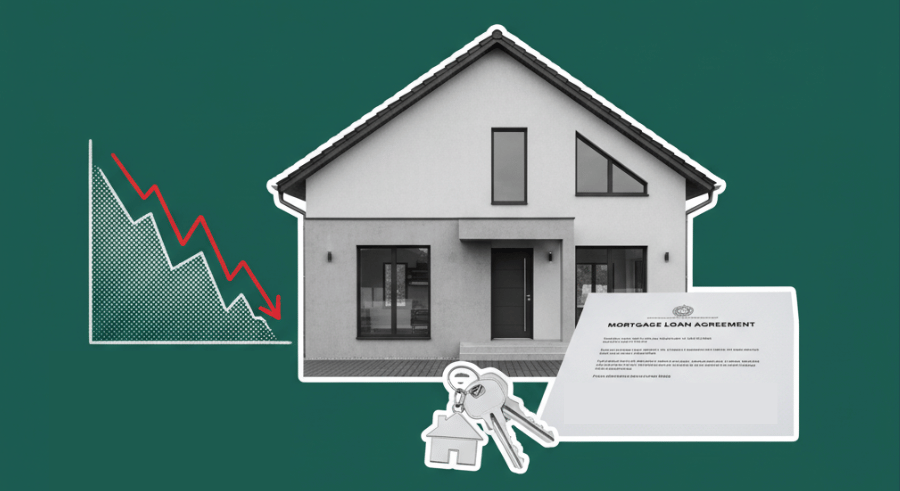
Florida’s housing market is cooling faster than anywhere else in the country—and insurance costs are pouring gasoline on the fire. According to
Live Insurance News, more Florida buyers are walking away from deals at the closing table as rising premiums, stricter requirements, and new flood‑zone designations make homeownership far more expensive than expected.
Pending Sales Are Falling Through Fast
Nationwide, 15.1% of home-purchase agreements fell apart in October. Florida’s major metros were even worse:
Why are buyers backing out? Because the monthly payments aren’t the shock—the insurance quotes are.
Home Prices Are Dropping—Fast
Major year-over-year price declines include:
• Cape Coral: down 7.1% (and 20% lower than 3 years ago)
• Naples: down 6.7%
• Punta Gorda: down 6.2%
• North Port: down 5.1%
This price correction comes alongside rising inventories and growing foreclosure activity—especially in Cape Coral, now ranked among the top three metros for foreclosure rates.
Insurance: Florida’s New Dealbreaker
Florida homeowners pay over $3,000 more per year than the national average. Miami-Dade condo owners average $2,300 annually—before flood insurance. Add those premiums, and buyers often reconsider whether their dream home still makes sense.
HOA and Condo Fees Are Climbing
Insurance is forcing associations to raise fees—sometimes doubling in five years. For many buyers, the HOA estimate is what finally kills the deal, not the list price.
Flood Zones Are Expanding
FEMA’s updated maps are placing thousands of additional Florida homes into flood zones, adding $600–$2,000 a year in required coverage. Even inland properties are being reclassified due to new drainage and surge‑pattern analysis.
Citizens Insurance Is Shrinking—And Cutting Rates
For the first time in over a decade, Citizens is recommending rate cuts. Its aggressive depopulation program has moved nearly 900,000 policies back to private insurers since 2023. Still, Florida remains the most expensive insurance market in the country.
Legislation Is Raising Costs, Not Lowering Them
New laws like HB 913 require condo associations to carry higher levels of insurance and maintain stronger reserves. Good for safety—expensive for homeowners.
Florida is still Florida—sunshine, lifestyle, beaches, and booming metros. But affordability is the new gatekeeper. Whether the market continues cooling or rebounds depends heavily on insurance stability.
For Professionals: This Is Your Moment
Understanding shifting markets and insurance dynamics is becoming essential for real estate, mortgage, and insurance professionals. If you’re building or expanding your career, education matters more than ever.
Cameron Academy offers licensing and continuing education across real estate, insurance, mortgage, and more—helping professionals stay ahead in a rapidly changing market.
Getting licensed or staying ahead in your career can be a journey—but it doesn’t have to be overwhelming. Grab your favorite coffee or tea, take a moment to relax, and browse through our articles. Whether you’re just starting out or renewing your expertise, we’ve got tips, insights, and advice to keep you moving forward. Here’s to your success—one sip and one step at a time!
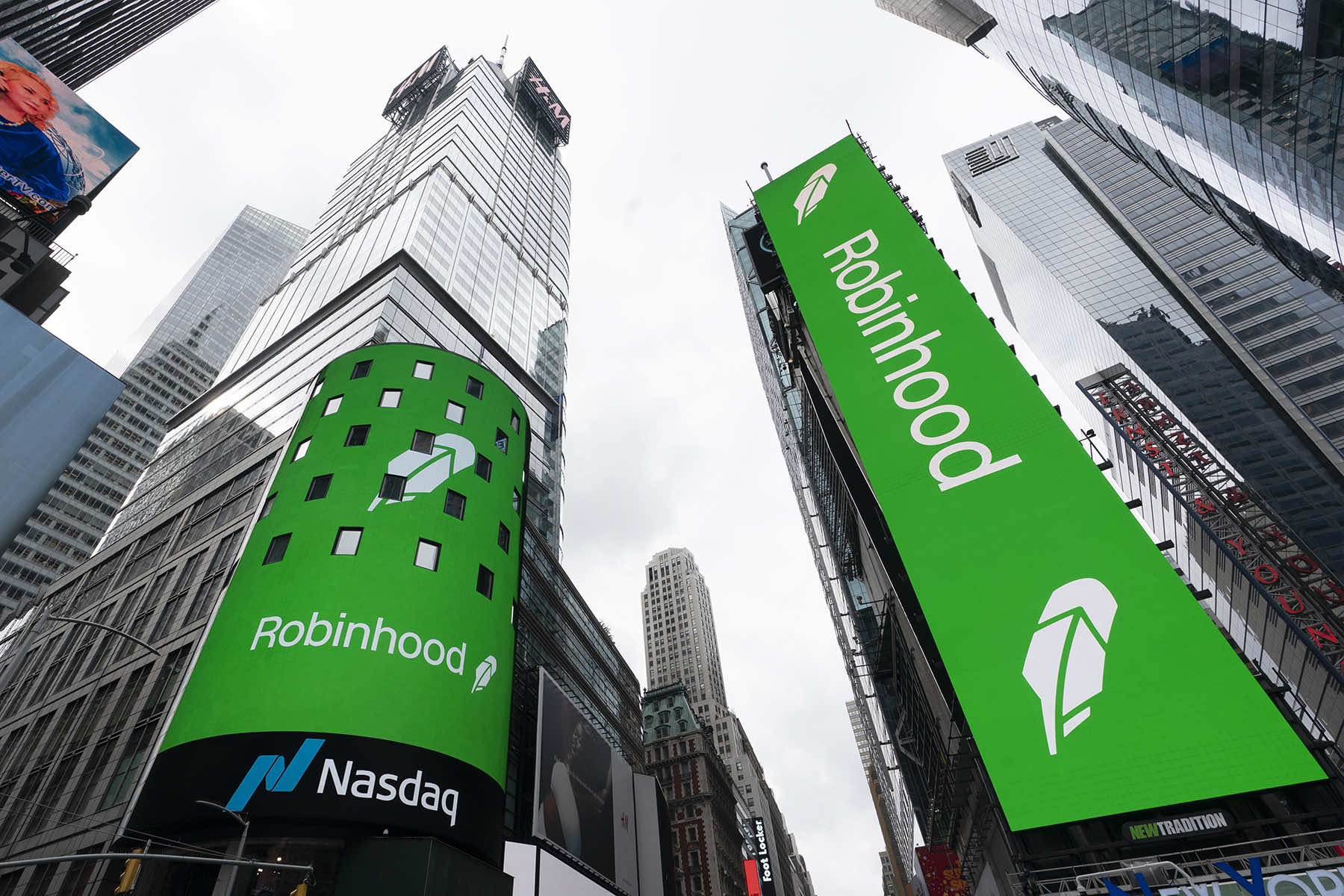
Tokenization has surged from crypto niche to global financial disruptor as institutions like Robinhood, BlackRock, and Coinbase race to digitize real-world assets. With pro‑crypto political momentum, shifting regulations, and private companies resisting newfound transparency, this emerging wave is transforming how investments are bought, sold, and accessed. For professionals in real estate, finance, lending, and insurance, this shift signals massive opportunity—and equally massive responsibility—as the next era of asset ownership takes shape.
Florida homeowners are finally getting relief as Citizens Property Insurance announces an average 8.7% statewide rate reduction for 2026, with South Florida seeing cuts as high as 14%. Driven by recent tort reforms and a stabilizing market, these decreases signal a major turnaround for an industry once on the brink of collapse — and a potential boost for real estate activity across the state.
After years of roller‑coaster chaos, the 2026 U.S. housing market is easing into something professionals haven’t seen in a long time: balance. Inventory growth has slowed to just 10% year over year—down sharply from 2025’s surge—signaling the end of the pandemic‑era scarcity and the rise of a market driven by real‑time demand and interest rates. With seasonal patterns returning, negotiations replacing bidding wars and rates drifting toward 6%, agents, lenders and investors are finally navigating conditions that look… normal.
More than half of Gen Z investors say they entered the stock market because of social media—not textbooks, not advisors. Viral creators, AI tools, and crypto trends are reshaping how young adults learn about money, invest early, and chase financial freedom. This Fortune‑featured shift highlights a generation determined to build wealth fast, trust digital voices over traditional institutions, and redefine financial education for the future.
After years of extremes, the U.S. housing market is shifting into a more balanced, predictable phase. Inventory growth has cooled from last year’s surge, seasonality is returning, and pricing is becoming increasingly rate‑sensitive. With mortgage rates hovering near 6% and policy changes reshaping investor participation, 2026 is emerging as a negotiation‑driven market where skilled agents, lenders, builders, and investors have a renewed advantage. This new landscape rewards strategy, education, and real‑time demand awareness—making it an ideal moment for professionals to refine their approach and capitalize on the market’s normalization.
A sudden policy shift at the start of 2026 is already pushing mortgage rates lower, dipping them under 6% for the first time in months. New projections suggest the government-sponsored enterprises’ $200 billion in mortgage‑backed securities purchases could accelerate rate declines throughout the year, boosting affordability, home sales, and overall market activity for buyers, sellers, and real estate professionals alike.