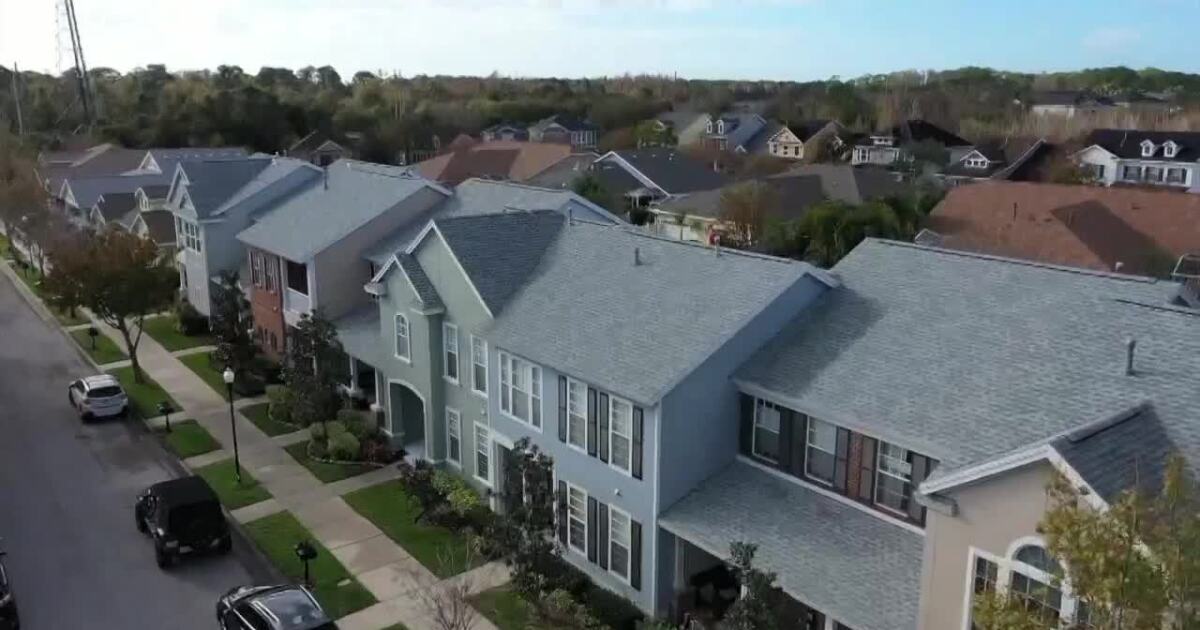
Florida Emerges as Prime Destination for Short-Term Rental Investments

In a comprehensive study conducted by Clever Real Estate in collaboration with Rabbu.com, Tampa, Florida has been identified as the premier city in the United States for investing in short-term rentals. This study meticulously analyzed various factors, such as median home prices, occupancy rates, and fluctuations in property values, to determine the most lucrative Airbnb investment markets across the nation. Read more here.

Tampa’s real estate market is thriving, having experienced a remarkable 71.6% increase in property values over the past five years, which is 55% higher than the median city in the study. The metro area boasts an impressive 16,020 property listings, tripling the median city average, alongside a respectable 44.8% Airbnb occupancy rate and an average annual Airbnb revenue of $52,705. These compelling statistics underscore Tampa’s allure for potential investors.

Top 10 U.S. Cities for Short-Term Rental Investments

  • Tampa, FL
  • Orlando, FL
  • Jacksonville, FL
  • Boston, MA
  • Miami, FL
  • Buffalo, NY
  • Columbus, OH
  • Chicago, IL
  • Providence, RI
  • Kansas City, MO

Conversely, San Jose, California is identified as the least attractive market for short-term rental investments. The city grapples with a high median home sale price of $1,447,955, which is over four times the national average, and a low number of just 1,296 listed properties, leading to a 76% decrease compared to the median. Consequently, San Jose has been assigned the lowest Rabbu return on investment score in America.

10 Worst Short-Term Rental Markets in the U.S.

  • San Jose, CA
  • Birmingham, AL
  • San Antonio, TX
  • Houston, TX
  • Sacramento, CA
  • Raleigh, NC
  • Riverside, CA
  • San Francisco, CA
  • Oklahoma City, OK
  • Pittsburgh, PA

Additionally, a survey conducted by Clever involving 1,000 Americans revealed that 76% of respondents have a favorable outlook towards Airbnbs, with 60% rating short-term rentals above hotels in terms of quality and 67% noting improved comfort. Nonetheless, a significant 96% identified disadvantages, such as misleading property descriptions, a lack of on-site assistance, and safety concerns.

Safety remains a concern, as only 44% of respondents perceive Airbnbs as safer than hotels—a viewpoint possibly exacerbated by rising crime rates. Emir Dukic, founder of Rabbu, commented, “We continue to observe growing interest from our user base in investing in short-term rentals and vacation homes, despite current interest rates. Although returns are somewhat compressed compared to previous years, the best properties in our top markets consistently generate double-digit returns.”

For those considering venturing into the short-term rental market, Tampa and other thriving cities present enticing opportunities. This extensive analysis offers valuable insights for potential investors eager to capitalize on the flourishing short-term rental market.


More Articles

Getting licensed or staying ahead in your career can be a journey—but it doesn’t have to be overwhelming. Grab your favorite coffee or tea, take a moment to relax, and browse through our articles. Whether you’re just starting out or renewing your expertise, we’ve got tips, insights, and advice to keep you moving forward. Here’s to your success—one sip and one step at a time!

Commercial Real Estate Steadies as Confidence Strengthens in Late 2025

The commercial real estate sector closed out 2025 with renewed stability, as the Real Estate Roundtable’s latest sentiment index shows rising confidence and improving market fundamentals. Executives report better access to capital, stronger performance in residential, retail, and hospitality, and early signs of recovery in the office market. With financing loosening and asset values climbing, the outlook for 2026 is increasingly optimistic, creating fresh opportunities for both seasoned professionals and newcomers preparing to enter the field.

What the CFPB’s New Disparate Impact Proposal Could Mean for Lenders and Real Estate Pros

The CFPB is proposing changes to how lenders evaluate “disparate impact” under the Equal Credit Opportunity Act, potentially tightening the scrutiny on credit decisions that unintentionally disadvantage protected groups. These updates could reshape underwriting models, lending criteria, and compliance requirements — ultimately influencing mortgage approvals, buyer qualifications, and day‑to‑day real estate activity.

Florida’s Insurance Battle Heats Up: The 2026 Political Showdown Every Property Professional Should Watch

Florida’s insurance crisis has become the defining issue heading into 2026, with Republicans touting recent market improvements while Democrats argue families are still being crushed by soaring premiums. From billion‑dollar auto insurance refunds to condo markets destabilized by post‑Surfside rate spikes, the state’s political divide is shaping the future of real estate, insurance, and affordability for millions.

Insurance Regulation Takes Center Stage: Key Changes Professionals Must Watch This Month

October 2025 brought a wave of major regulatory updates across insurance, finance, and compliance. From stricter oversight on retail insurers and new FCA rules on ESG and travel insurance, to EIOPA’s EU‑wide consultations and refreshed corporate governance standards, regulators signaled higher expectations and faster change ahead. For professionals—and those pursuing licenses—these shifts directly impact risk management, product design, and consumer outcomes, making regulatory awareness a critical competitive advantage.

Commercial Real Estate Lending Roars Back in Q3 as Confidence Surges Across the Market

After nearly two years of sluggish activity, commercial real estate lending is finally accelerating—fast. New data from CBRE shows loan closings jumped 112% year‑over‑year in Q3 2025, reaching their highest level since 2018. With interest rates stabilizing and credit spreads tightening, investors are returning, banks are re‑entering the market, and multifamily financing is dominating once again. The long‑stalled deal flow is thawing, signaling renewed momentum heading into 2026.

Farmers Insurance Reopens California Market but Seeks Nearly 7 Percent Rate Hike

Farmers Insurance is lifting its cap on new homeowner policies in California after two years of limiting growth, signaling a shift in the state’s strained insurance market. The expansion comes with a proposed 6.99 percent rate increase that still needs regulatory approval. Supporters call it a turning point driven by new wildfire‑risk rules, while consumer advocates warn the reforms contain loopholes and could lead to higher costs for homeowners.