Florida’s Tort Reforms: A Surprising Economic Boost Reshaping Insurance and Business Costs
Florida’s recent tort reform changes are doing more than streamlining legal processes—they’re radically reshaping the state’s insurance landscape and delivering a measurable economic boost. A February analysis by The Perryman Group reveals that these reforms have driven down property and casualty insurance expenses while injecting billions into Florida’s wider economic engine.
The reforms have lowered insurance costs by an average of 14.5% compared to projected rates without the legislative shift. For Florida homeowners, professionals, and business owners, this is more than a discount—it’s a meaningful increase in financial breathing room and a stronger, more competitive insurance marketplace.
A Multi‑Billion Dollar Ripple Effect
Lower insurance expenses boost consumer and business spending power, triggering economic benefits statewide. According to the study, Florida is experiencing more than $4.2 billion in additional annual gross product resulting from these savings—supporting an estimated 29,370 jobs when multiplier effects are included.
Government coffers are benefiting as well. Increased economic activity is expected to generate $206.6 million in annual tax revenue for the state and another $155.3 million for local governments—critical fuel for Florida’s rapidly growing infrastructure needs.
How Reforms Reshaped Florida’s Legal Landscape
Recent legislative updates were designed to rebalance Florida’s historically litigious civil environment. Key changes included adjustments to negligence standards, a shortened statute of limitations, revisions to attorney fee structures, and the elimination of several one‑way attorney fee provisions. Importantly, lawmakers also reduced the ability to exploit assignments of benefits—once blamed for ballooning insurance litigation.
The impact is apparent. Insurers are re‑entering the Florida market, hundreds of thousands of policies are shifting back to private carriers, and property insurance lawsuits dropped by 25% in early 2025 compared to the prior year.
A More Competitive Market, A Stronger Florida
Researchers note that these reforms help limit excessive litigation costs while preserving fair compensation for injured parties. A more balanced system fosters healthier business growth, reduces market volatility, and ultimately lowers consumer expenses. The result: a more resilient, economically agile Florida.
To dive deeper into the analysis, explore the original reporting from Gulfshore Business and the full Perryman Group study provided by APCI.
Professionals across real estate, insurance, finance, and other sectors—especially those trained through Cameron Academy—gain an advantage by understanding how Florida’s evolving legal and insurance environments influence market stability and long‑term opportunity. Staying informed helps experts provide stronger guidance, smarter strategies, and more confident decision‑making.
More Articles
Getting licensed or staying ahead in your career can be a journey—but it doesn’t have to be overwhelming. Grab your favorite coffee or tea, take a moment to relax, and browse through our articles. Whether you’re just starting out or renewing your expertise, we’ve got tips, insights, and advice to keep you moving forward. Here’s to your success—one sip and one step at a time!
"The challenges faced by the PropTech industry are vast, ranging from data security and regulatory compliance to the implementation of sustainable practices. Yet, technologies such as Artificial Intelligence (AI), Virtual Reality (VR), Internet of Things (IoT), and Blockchain are pivotal in addressing these hurdles."
The commercial real estate sector is poised to emerge from recent tumultuous years, armed with insights and strategies to better position itself for the future. According to a detailed analysis by Deloitte, the 2025 outlook offers a roadmap for industry leaders to navigate the evolving landscape.
The IRS is ushering in a new era of tax reporting that will significantly affect freelancers, small business owners, and anyone who earns income through third-party payment apps like Venmo or PayPal. These changes are embodied in the form of adjusted thresholds for the Form 1099-K, a tax document used to report income from such platforms. Previously, this form was only required for those earning at least $20,000 annually through these services. However, new phased-in rules will reduce this threshold to $600 by 2026, starting with earnings over $5,000 in 2024.
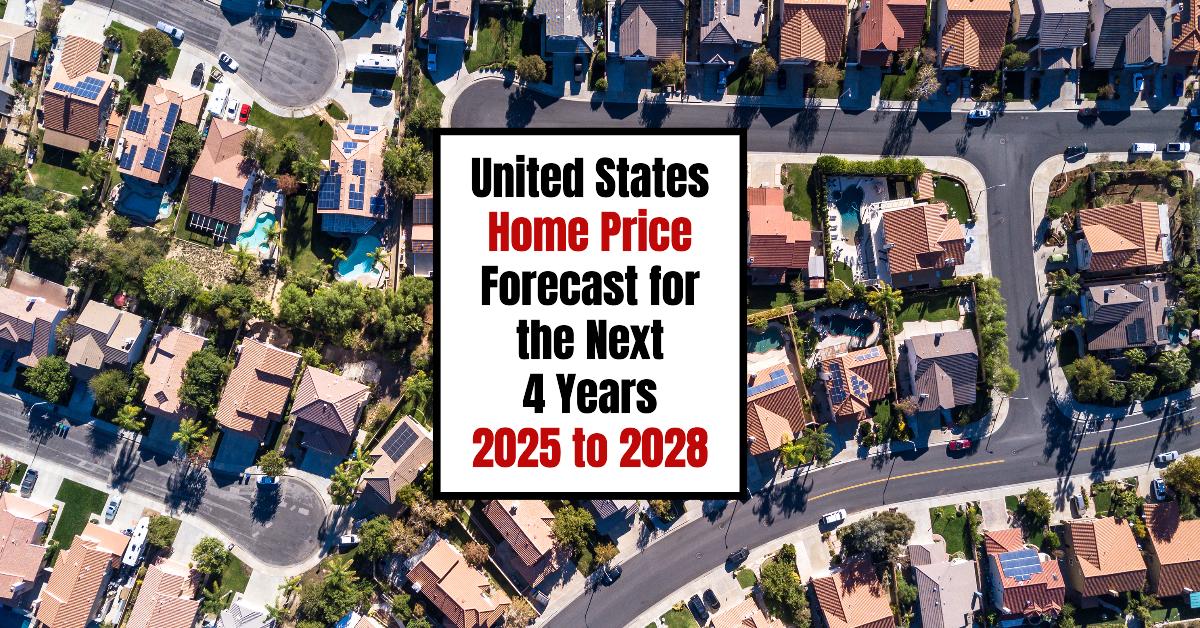
As we look to the horizon of the U.S. housing market, Fannie Mae's Home Price Expectations Survey offers a crucial glimpse into the coming years. Compiled from the insights of over 100 housing experts, this survey predicts notable changes in home prices from 2025 to 2028. The analysis, originally detailed by Norada Real Estate Investments, suggests a shift in market dynamics that could impact homeowners and investors alike.