Florida’s Tort Reforms: A Surprising Economic Boost Reshaping Insurance and Business Costs
Florida’s recent tort reform changes are doing more than streamlining legal processes—they’re radically reshaping the state’s insurance landscape and delivering a measurable economic boost. A February analysis by The Perryman Group reveals that these reforms have driven down property and casualty insurance expenses while injecting billions into Florida’s wider economic engine.
The reforms have lowered insurance costs by an average of 14.5% compared to projected rates without the legislative shift. For Florida homeowners, professionals, and business owners, this is more than a discount—it’s a meaningful increase in financial breathing room and a stronger, more competitive insurance marketplace.
A Multi‑Billion Dollar Ripple Effect
Lower insurance expenses boost consumer and business spending power, triggering economic benefits statewide. According to the study, Florida is experiencing more than $4.2 billion in additional annual gross product resulting from these savings—supporting an estimated 29,370 jobs when multiplier effects are included.
Government coffers are benefiting as well. Increased economic activity is expected to generate $206.6 million in annual tax revenue for the state and another $155.3 million for local governments—critical fuel for Florida’s rapidly growing infrastructure needs.
How Reforms Reshaped Florida’s Legal Landscape
Recent legislative updates were designed to rebalance Florida’s historically litigious civil environment. Key changes included adjustments to negligence standards, a shortened statute of limitations, revisions to attorney fee structures, and the elimination of several one‑way attorney fee provisions. Importantly, lawmakers also reduced the ability to exploit assignments of benefits—once blamed for ballooning insurance litigation.
The impact is apparent. Insurers are re‑entering the Florida market, hundreds of thousands of policies are shifting back to private carriers, and property insurance lawsuits dropped by 25% in early 2025 compared to the prior year.
A More Competitive Market, A Stronger Florida
Researchers note that these reforms help limit excessive litigation costs while preserving fair compensation for injured parties. A more balanced system fosters healthier business growth, reduces market volatility, and ultimately lowers consumer expenses. The result: a more resilient, economically agile Florida.
To dive deeper into the analysis, explore the original reporting from Gulfshore Business and the full Perryman Group study provided by APCI.
Professionals across real estate, insurance, finance, and other sectors—especially those trained through Cameron Academy—gain an advantage by understanding how Florida’s evolving legal and insurance environments influence market stability and long‑term opportunity. Staying informed helps experts provide stronger guidance, smarter strategies, and more confident decision‑making.
More Articles
Getting licensed or staying ahead in your career can be a journey—but it doesn’t have to be overwhelming. Grab your favorite coffee or tea, take a moment to relax, and browse through our articles. Whether you’re just starting out or renewing your expertise, we’ve got tips, insights, and advice to keep you moving forward. Here’s to your success—one sip and one step at a time!
Cybercrime in 2025 has evolved into a full‑scale service economy, with malware now available through subscription platforms that operate like mainstream tech businesses. Bitsight’s latest analysis reveals explosive growth in Malware‑as‑a‑Service tools, rising attacks across industries like healthcare, finance, tech, and real estate, and a surge in cross‑platform malware and supply‑chain exploits. For professionals in any licensed field, the message is clear: today’s digital landscape demands heightened vigilance, stronger identity security, and proactive defense against an increasingly organized underground threat environment.
A new proptech startup in the UAE, Gllit is redefining how property deals happen by removing agents, eliminating commissions, and integrating AI tools that let users create professional listings in seconds. With a fast, transparent, and direct-to-owner model, Gllit offers a glimpse into the future of global real estate — and a powerful case study for U.S. professionals preparing for tech-driven changes in the industry.
The 2026 housing market is shaping up to be a year of stability with a few surprises. Mortgage rates are expected to hold steady, home price growth is slowing, and yet ownership costs continue to rise due to soaring taxes and insurance. Meanwhile, renting is becoming more attractive as affordability improves and built‑to‑rent communities expand. This breakdown highlights the biggest trends ahead — and what they mean for buyers, sellers, and real estate professionals, especially in Florida.
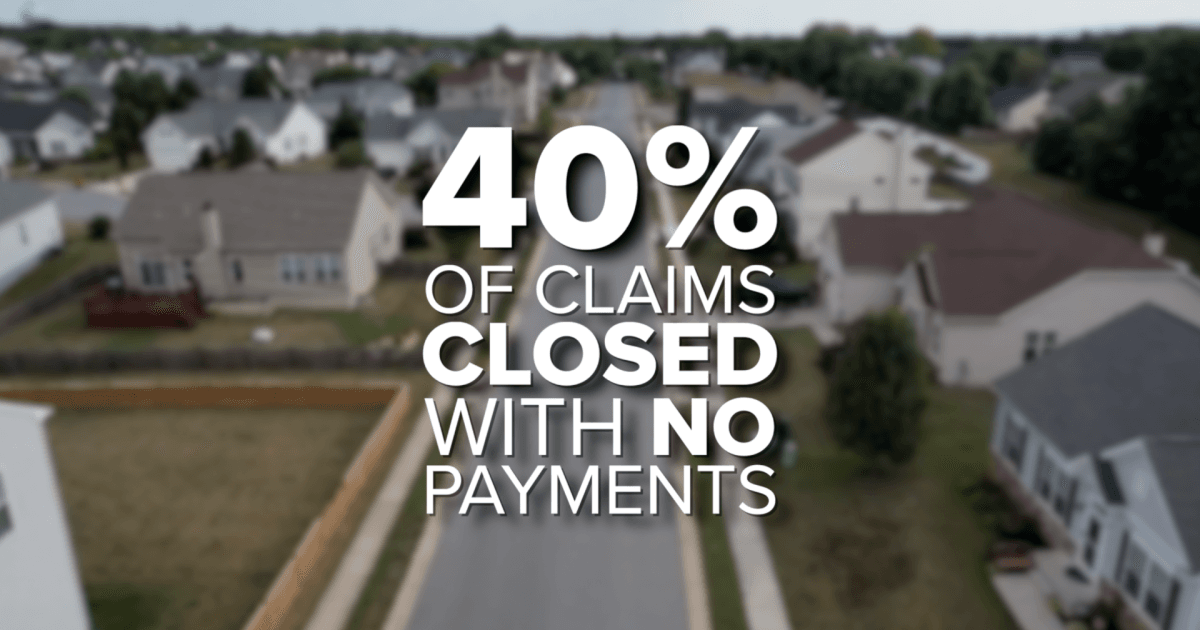
Florida homeowners are facing some of the highest insurance premiums in the nation, with average costs now topping $5,800 per year—about $3,000 above the U.S. average. Many residents report their rates have doubled or even tripled, while more than 40 percent of claims are closed with no payment. As frustration grows, state lawmakers and consumer advocates are pushing for transparency, rate caps, and incentives to help storm‑proof homes. The outcome of these reform efforts could reshape Florida’s real estate market, insurance landscape, and affordability for years to come.
A new global study from Risk.net and SAS reveals that many insurance companies are still making key decisions in isolated silos, despite industry-wide pushes toward data-driven strategies. While most leaders claim to have a clear vision, 38 percent admit they lack a real-time view of risks, revenue and costs. With poor data quality, limited collaboration and outdated processes holding teams back, experts say the industry is poised for a major transformation through AI, analytics and unified strategy—offering lessons for professionals across insurance, real estate, finance and other regulated fields.
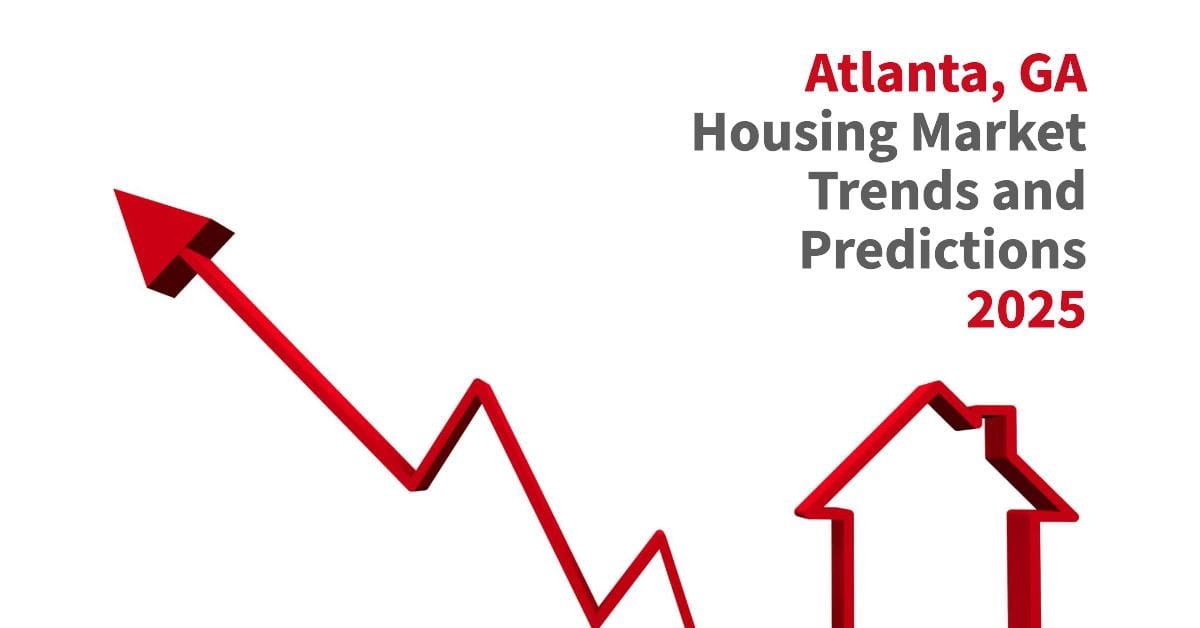
Atlanta’s housing market is shifting into a more balanced and predictable phase. Prices have leveled off, inventory has finally caught up, and mortgage rates are easing enough to bring buyers back into the game. With steady demand, growing listings, and only mild price corrections forecasted into 2026, Atlanta remains one of the Southeast’s strongest real estate markets for buyers, sellers, and investors alike.