Foreign Investments in U.S. Real Estate: A Double-Edged Sword

In recent years, foreign investment in U.S. real estate has surged to unprecedented levels, surpassing 1.2 trillion dollars over the past 15 years. This influx has sparked a robust debate among scholars and policymakers about the potential threats and benefits posed by such investments.
The increase in foreign-owned agricultural land has raised national security concerns, particularly when these investments occur near sensitive military locations. For instance, a Chinese company’s purchase of 370 acres near an Air Force base in North Dakota led to significant criticism and highlighted the potential risks involved.
Regulatory Measures and Challenges The regulation of foreign investments traditionally falls under the purview of the Committee on Foreign Investments in the United States (CFIUS). However, scholars argue that existing frameworks may prioritize financial gains over national security. The Government Accountability Office (GAO) has recommended improving data accessibility to enhance oversight and mitigate risks.
On the economic front, foreign investments have been linked to rising housing prices, exacerbating affordability issues in cities across the nation. The effects of foreign capital influx are particularly pronounced in places like California, where home prices have surged by 30%, as noted in a study published in the Review of Financial Studies.

State-Level Responses and Policy Innovations

In response to these challenges, some states have enacted laws to curb foreign ownership. For example, Oklahoma has implemented measures preventing noncitizens from acquiring land, while Louisiana has restricted purchases by entities from countries deemed adversarial.
Meanwhile, scholars from the Brookings Institution suggest leveraging the Corporate Transparency Act to increase transparency in real estate ownership through shell companies. This approach mirrors successful initiatives in the UK that have curbed offshore investments.
Balancing Act As the debate continues, the U.S. faces a complex balancing act between attracting foreign capital and safeguarding national interests. The insights from the original article emphasize the need for nuanced regulatory strategies that address both economic and security concerns.


More Articles

Getting licensed or staying ahead in your career can be a journey—but it doesn’t have to be overwhelming. Grab your favorite coffee or tea, take a moment to relax, and browse through our articles. Whether you’re just starting out or renewing your expertise, we’ve got tips, insights, and advice to keep you moving forward. Here’s to your success—one sip and one step at a time!

As Wildfire Season Intensifies, AI Becomes a Key Tool for Experts

With each passing year, the threat of wildfires looms larger, fueled by the relentless march of climate change. AI technologies are emerging as game-changers in wildfire detection and management, providing real-time identification and valuable insights.

New Affordable Housing Project Proposed in Eastmont, Oakland

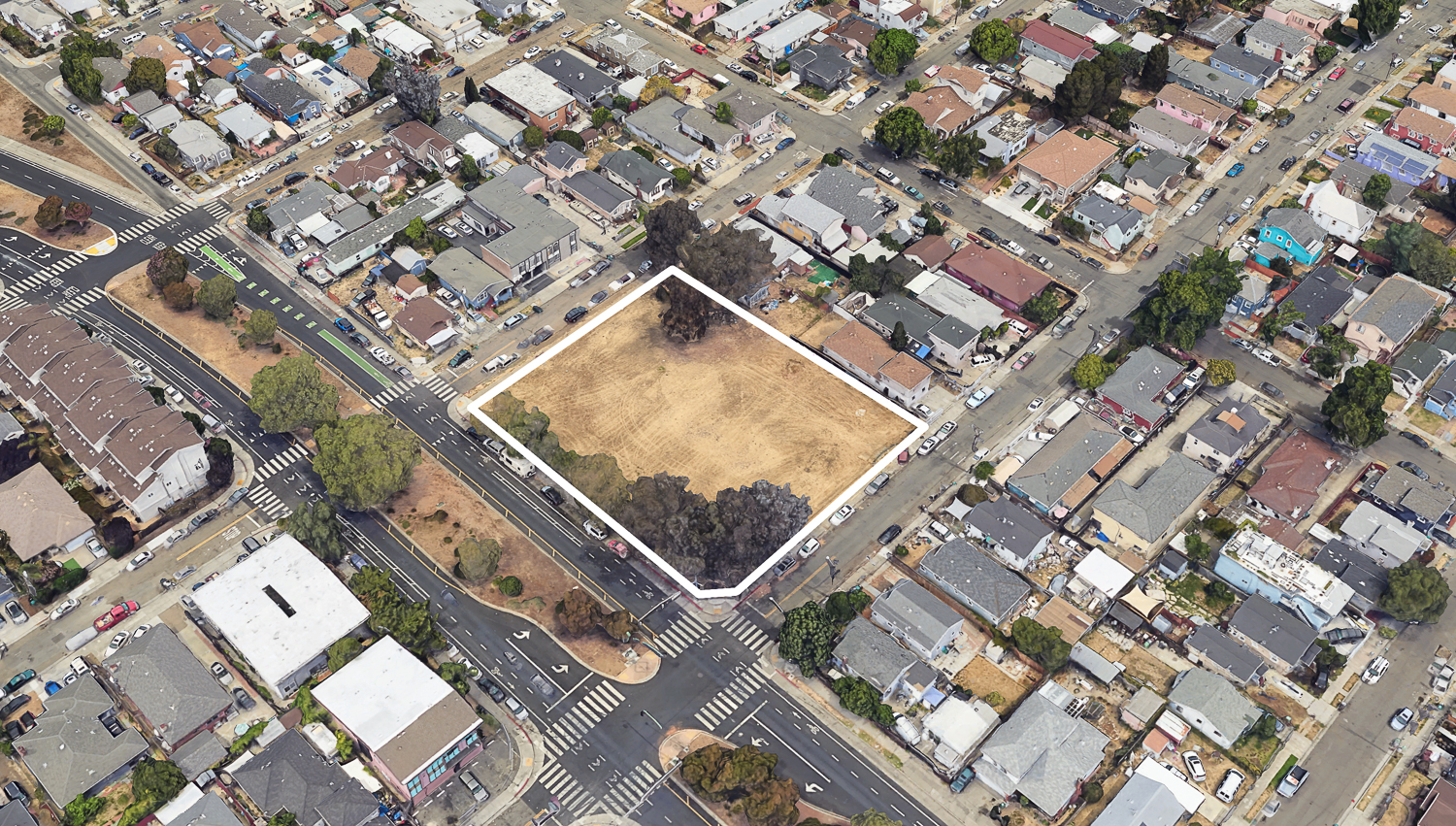
Eden Housing's proposal is part of a broader initiative to redevelop the underutilized land surrounding the Eastmont Town Center, a hub for shopping and social services in East Oakland.

Innovative Solutions to California’s Housing Crisis

In the heart of California, a state renowned for its innovation and economic prowess, a housing crisis looms large. The demand for housing far exceeds the supply, leading to skyrocketing costs and a severe affordability gap.

Housing Market Challenges and Prospects for 2024: A Comprehensive Overview

The housing market in 2024 continues to be a battleground, with sellers maintaining the upper hand due to persistently low inventory levels. Despite a slight dip in mortgage rates, which have decreased to 7.09% from their peak, they remain high enough to deter potential buyers.

By |October 17, 2024|Categories: Article, Economic Forecasting, Real Estate|Tags: , |0 Comments

Navigating Post-Pandemic Challenges in Commercial Real Estate

The ongoing struggles in commercial real estate underscore the need for banks to adapt and innovate in response to evolving market conditions. As the sector navigates these challenges, the focus remains on strategic maneuvers and legislative considerations that will shape its future trajectory.

Addressing America’s Housing Crisis: A New Proposal

The current housing landscape is bleak for many. In most American counties, even a modest one-bedroom apartment is out of reach for minimum-wage workers. The situation is exacerbated by the increasing influence of large financial firms in the housing market, leaving working families to compete in an unfair bidding war.

By |October 17, 2024|Categories: Article, Housing, Legislation|Tags: , |0 Comments