Foreign Investments in U.S. Real Estate: A Double-Edged Sword

In recent years, foreign investment in U.S. real estate has surged to unprecedented levels, surpassing 1.2 trillion dollars over the past 15 years. This influx has sparked a robust debate among scholars and policymakers about the potential threats and benefits posed by such investments.
The increase in foreign-owned agricultural land has raised national security concerns, particularly when these investments occur near sensitive military locations. For instance, a Chinese company’s purchase of 370 acres near an Air Force base in North Dakota led to significant criticism and highlighted the potential risks involved.
Regulatory Measures and Challenges The regulation of foreign investments traditionally falls under the purview of the Committee on Foreign Investments in the United States (CFIUS). However, scholars argue that existing frameworks may prioritize financial gains over national security. The Government Accountability Office (GAO) has recommended improving data accessibility to enhance oversight and mitigate risks.
On the economic front, foreign investments have been linked to rising housing prices, exacerbating affordability issues in cities across the nation. The effects of foreign capital influx are particularly pronounced in places like California, where home prices have surged by 30%, as noted in a study published in the Review of Financial Studies.

State-Level Responses and Policy Innovations

In response to these challenges, some states have enacted laws to curb foreign ownership. For example, Oklahoma has implemented measures preventing noncitizens from acquiring land, while Louisiana has restricted purchases by entities from countries deemed adversarial.
Meanwhile, scholars from the Brookings Institution suggest leveraging the Corporate Transparency Act to increase transparency in real estate ownership through shell companies. This approach mirrors successful initiatives in the UK that have curbed offshore investments.
Balancing Act As the debate continues, the U.S. faces a complex balancing act between attracting foreign capital and safeguarding national interests. The insights from the original article emphasize the need for nuanced regulatory strategies that address both economic and security concerns.

More Articles

Getting licensed or staying ahead in your career can be a journey—but it doesn’t have to be overwhelming. Grab your favorite coffee or tea, take a moment to relax, and browse through our articles. Whether you’re just starting out or renewing your expertise, we’ve got tips, insights, and advice to keep you moving forward. Here’s to your success—one sip and one step at a time!

America’s Housing Affordability Crisis: A Deep Dive into 2024

The American dream of homeownership is slipping further out of reach for many as the nation grapples with a severe housing affordability crisis.

By |October 17, 2024|Categories: Article, Economic Issues, Housing Affordability|Tags: , |0 Comments

The Economic Payoff of Climate Resilience Investments

Each dollar spent on disaster preparedness can yield a remarkable $13 in savings on economic impact, damage, and cleanup costs. By investing in resilience today, we can safeguard our economic futures against the uncertainties of tomorrow.

By |October 16, 2024|Categories: Article, Climate Resilience, Economics|Tags: |0 Comments

California Legislators Target Corporate Landlords in Housing Market Shake-Up

California's housing market is in the crosshairs of some of the state's most influential lawmakers, who are determined to curb the influence of institutional investors. This legislative session, at least three bills are being considered to prevent these corporate landlords from amassing a significant number of the state's single-family homes.

Proposition 33: A Pivotal Moment in California’s Rent Control Debate

Proposition 33 has sparked a heated debate. Proponents argue that repealing Costa–Hawkins would allow cities to tailor rent control measures to their unique needs, potentially easing the financial burdens on renters.

By |October 16, 2024|Categories: Article, Housing, Legislation|Tags: , |0 Comments

The Trump Era: A Transformative Journey in the U.S. Housing Market

The presidency of Donald Trump ushered in a period of notable shifts in the U.S. housing market, characterized by tax cuts, deregulation, and the unforeseen impact of a global pandemic. This era, marked by both growth and uncertainty, offers a complex narrative of economic policy and market dynamics.

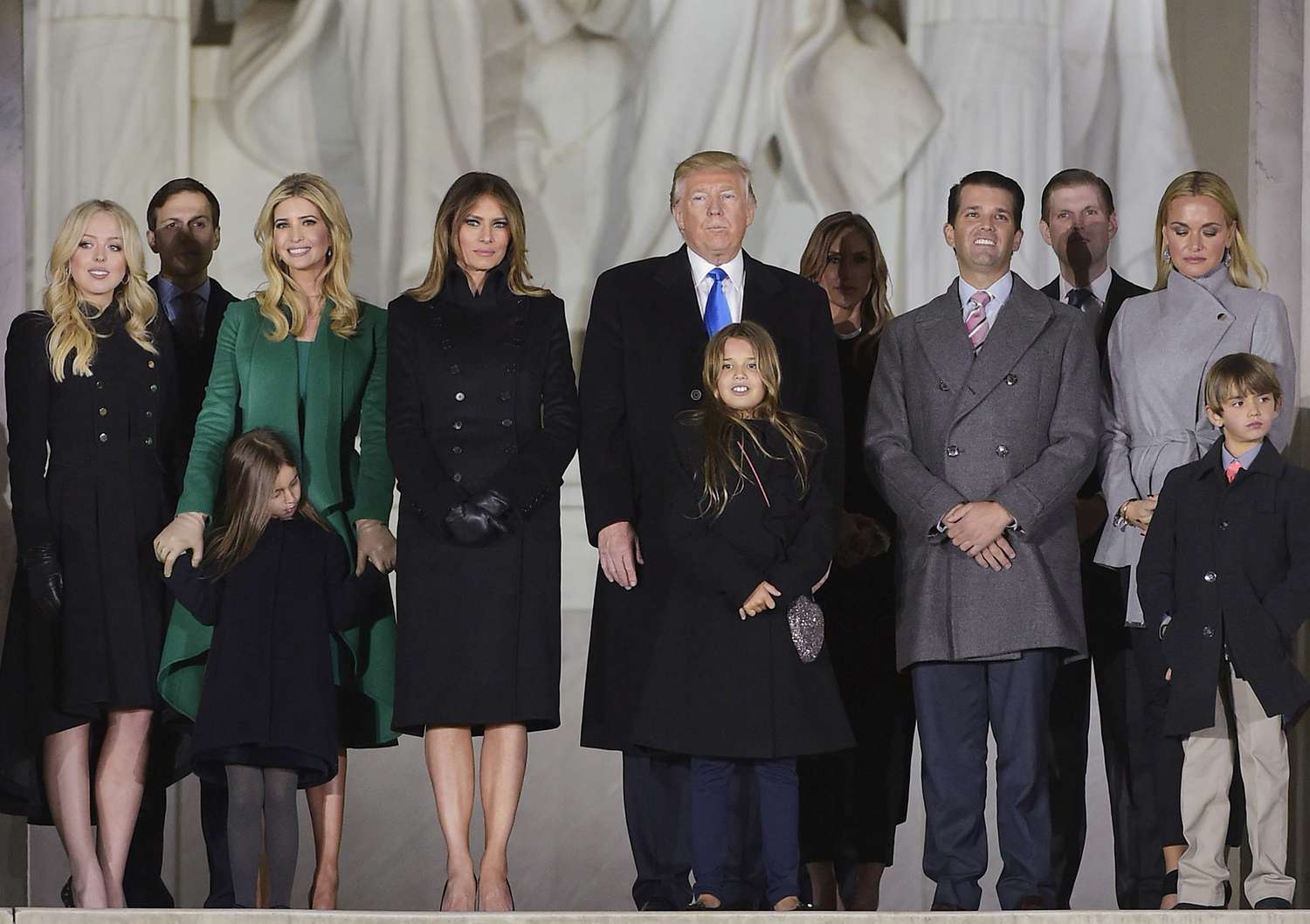
Donald Trump’s Intricate Family Web

Donald Trump, a name synonymous with real estate, reality television, and politics, presents a complex family tapestry woven with professional and personal threads. His family, deeply enmeshed in his business ventures and political pursuits, forms a network of intricate connections.


By |October 15, 2024|Categories: Article, Family, Politics|Tags: , |0 Comments