FTC Sounds the Alarm on Rental Software: What Every Real Estate Pro Should Know

Ftc seal and modern apartment building

The Federal Trade Commission has stepped into the rental housing arena with fresh intensity, issuing warning letters to 13 property management software companies that may be preventing landlords from accurately displaying rental prices. This move could have major ripple effects for property managers, landlords, and real estate professionals nationwide.

This developing story was first reported by Real Estate News, which continues to follow the investigation closely.

Accuracy Under Fire: What Sparked the Warning?

According to the FTC, certain software systems may block property owners and managers from listing all mandatory fees on rental advertisements. This means tenants could be seeing a filtered price—one that doesn’t reflect reality until much later in the leasing process.

FTC Statement: “We are monitoring the marketplace for potentially deceptive or unfair acts or practices relating to the marketing and advertising of rental housing and will take additional action as warranted,” wrote Christopher Mufarrige, Director of the FTC’s Bureau of Consumer Protection.

While the agency emphasized that the letters are not accusations of illegal behavior, they strongly encouraged software providers to immediately review their practices for compliance.

Who Received the Letters?

That’s still a mystery. The FTC has not released the names of the 13 companies involved. Real Estate News has already filed a Freedom of Information Act request in hopes of uncovering the list.

A Pattern of Enforcement

This isn’t the federal government’s first high-profile move in the rental pricing and software landscape. The past year has been full of landmark enforcement actions:

  • Greystar agreed to pay $24 million after accusations of deceptive advertising practices.
  • RealPage reached a settlement with the DOJ over an antitrust lawsuit involving rental market software.
  • Invitation Homes paid $48 million related to junk fees, poor conditions, and illegal evictions.

One thing is clear: federal scrutiny is intensifying, and rental pricing technology is under the government’s microscope like never before.

Why This Matters for Real Estate Professionals

Whether you’re a property manager, leasing agent, broker, or landlord, this is a pivotal moment. Transparent pricing isn’t just a compliance issue—it’s a trust issue. As software becomes more deeply embedded in the rental ecosystem, professionals must understand how these tools impact consumers and their own legal exposure.

For those expanding their real estate expertise—or entering the field entirely—schools like Cameron Academy emphasize the importance of ethical advertising, regulatory awareness, and market transparency in today’s evolving landscape.

Stay Informed, Stay Competitive

The rental market is evolving at high speed. Technology is advancing. Regulations are tightening. And consumers are more aware of pricing fairness than ever before.

Stay ahead of the curve and read the full source report at Real Estate News, the publication that originally broke this story.


More Articles

Getting licensed or staying ahead in your career can be a journey—but it doesn’t have to be overwhelming. Grab your favorite coffee or tea, take a moment to relax, and browse through our articles. Whether you’re just starting out or renewing your expertise, we’ve got tips, insights, and advice to keep you moving forward. Here’s to your success—one sip and one step at a time!

Florida’s Insurance Market Meltdown: Why New Reforms Are Repeating Old Mistakes

Florida’s property insurance system is once again spiraling as new “market-friendly” reforms fail to stabilize rising premiums, insurer failures, and mounting homeowner frustration. Despite aggressive efforts to shift policyholders from Citizens to private carriers, many of the new insurers stepping in are tied to past insolvencies, questionable ratings, and political influence. For real estate, mortgage, and insurance professionals, these systemic cracks are reshaping closings, valuations, and risk across the state—making it essential to stay ahead of ongoing regulatory and market shifts.

Top 2026 Commercial Real Estate Issues: The Trends Professionals Must Watch

Commercial real estate is heading into a turning‑point year in 2026, driven by economic uncertainty, AI‑powered transformation, shifting demographics and rising portfolio risk. Insights from The Counselors of Real Estate highlight the top issues shaping the year ahead—from fiscal pressures and capital constraints to housing shortages, global volatility and the future of data‑driven decision‑making. For real estate, mortgage, insurance and finance professionals, these trends offer a clear roadmap for staying competitive and preparing for the next wave of industry change.

The Tech Wave Transforming Real Estate in 2025

AI-powered tools, fraud protection systems, and smarter MLS integrations are sweeping through the real estate industry as major organizations adopt new technologies. From RealReports hitting its 50th partnership to BeachesMLS unveiling instant AI home visualizations and Doorify boosting security, professionals are seeing rapid advancements that promise sharper insights, safer transactions, and more efficient rental workflows. This evolving tech landscape underscores the importance of staying educated and adaptable — especially for agents preparing for a competitive, AI-enhanced 2025 market.

Florida’s Insurance Crisis Deepens as Premiums Soar and Claims Go Unpaid

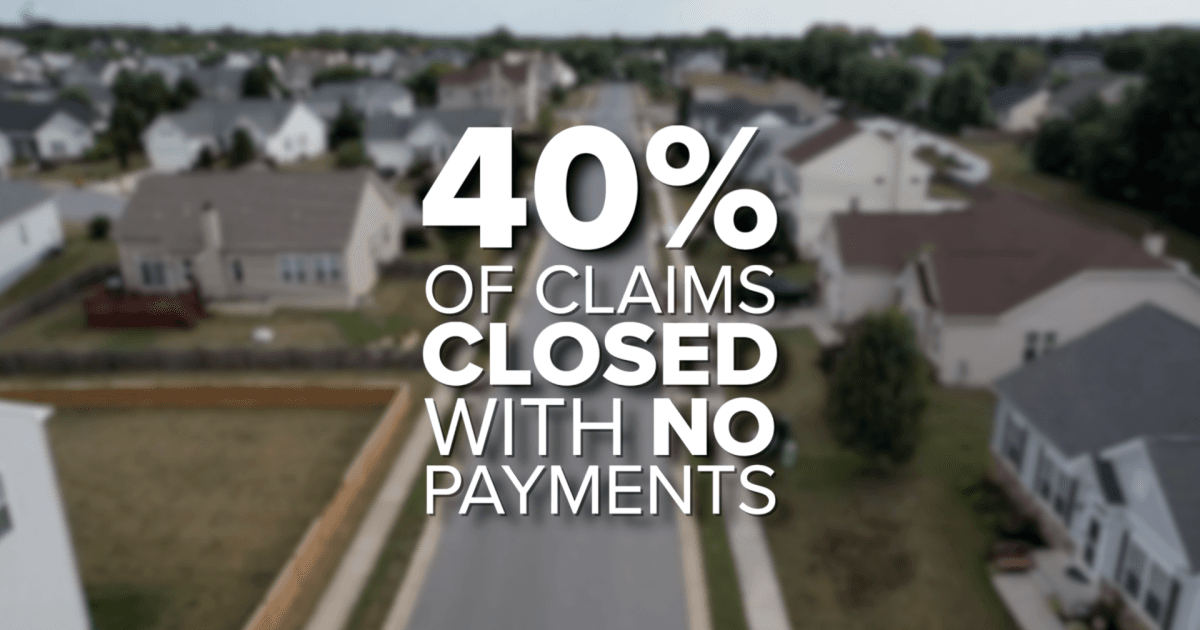
Florida homeowners are being hit with the highest insurance premiums in the nation, averaging $5,838 per year—nearly double the U.S. average. As costs skyrocket, many residents are reporting denied claims, non‑renewals, and impossible financial choices. New investigations reveal that more than 40 percent of claims in Florida close with no payment, while lawmakers push for transparency, fair pricing, and meaningful reform to stabilize a market that’s rapidly becoming unsustainable.

AI-Powered Parking Startup Vend Park Secures $17.5M to Transform a Forgotten Real Estate Asset

Vend Park, a Boston-based proptech company, has raised $17.5 million in Series A funding to reinvent parking as a high-performing commercial real estate asset. By replacing outdated operator–vendor systems with a unified AI-driven platform, Vend Park is helping major property owners boost NOI by up to 30%, slash operating costs, and modernize the tenant experience. As the company expands from three to fifteen cities and partners with giants like Nuveen and Jamestown, its technology highlights a major shift: real estate professionals must now understand AI, automation, and digital infrastructure to stay competitive.

Keller Williams Atlanta Partners Teams Up with Southeast Mortgage in a Major Georgia Market Shake‑Up

Keller Williams Realty Atlanta Partners has formed an exclusive partnership with Southeast Mortgage, Georgia’s largest non‑bank mortgage lender. The collaboration promises faster, tech‑enhanced transactions for both agents and homebuyers, combining real estate expertise with streamlined mortgage services. This move reflects a growing trend toward integrated real‑estate ecosystems designed to reduce delays, boost transparency, and modernize the homebuying experience.