FTC Sounds the Alarm on Rental Software: What Every Real Estate Pro Should Know

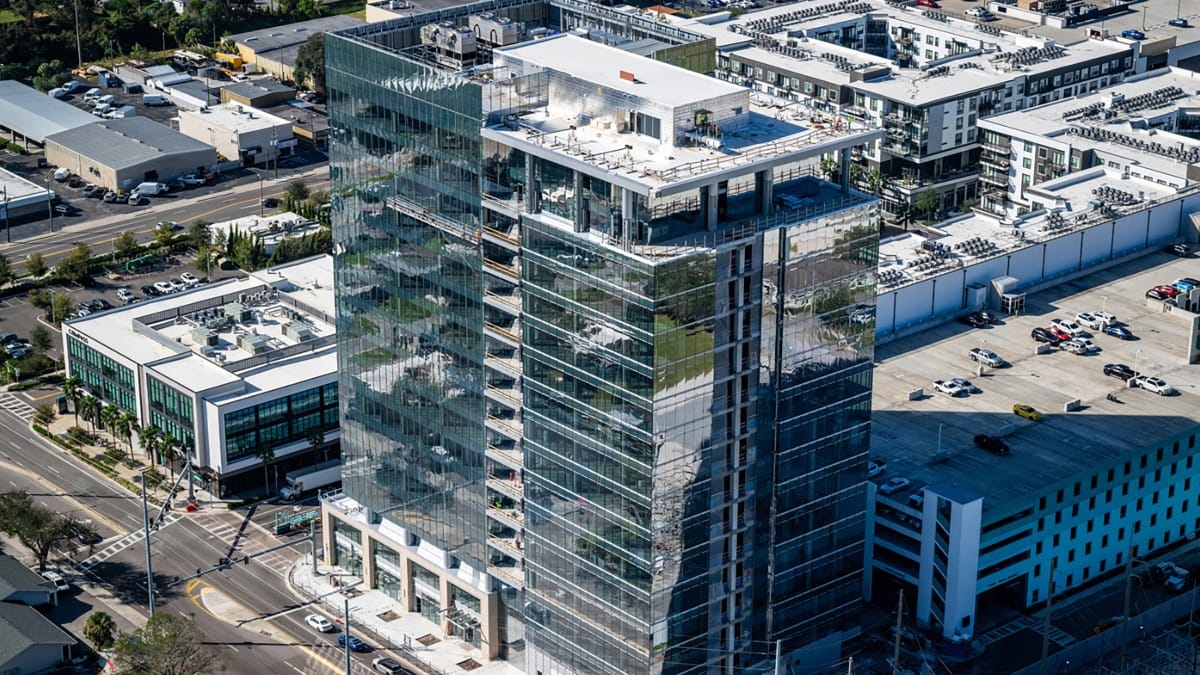
Ftc seal and modern apartment building

The Federal Trade Commission has stepped into the rental housing arena with fresh intensity, issuing warning letters to 13 property management software companies that may be preventing landlords from accurately displaying rental prices. This move could have major ripple effects for property managers, landlords, and real estate professionals nationwide.

This developing story was first reported by Real Estate News, which continues to follow the investigation closely.

Accuracy Under Fire: What Sparked the Warning?

According to the FTC, certain software systems may block property owners and managers from listing all mandatory fees on rental advertisements. This means tenants could be seeing a filtered price—one that doesn’t reflect reality until much later in the leasing process.

FTC Statement: “We are monitoring the marketplace for potentially deceptive or unfair acts or practices relating to the marketing and advertising of rental housing and will take additional action as warranted,” wrote Christopher Mufarrige, Director of the FTC’s Bureau of Consumer Protection.

While the agency emphasized that the letters are not accusations of illegal behavior, they strongly encouraged software providers to immediately review their practices for compliance.

Who Received the Letters?

That’s still a mystery. The FTC has not released the names of the 13 companies involved. Real Estate News has already filed a Freedom of Information Act request in hopes of uncovering the list.

A Pattern of Enforcement

This isn’t the federal government’s first high-profile move in the rental pricing and software landscape. The past year has been full of landmark enforcement actions:

  • Greystar agreed to pay $24 million after accusations of deceptive advertising practices.
  • RealPage reached a settlement with the DOJ over an antitrust lawsuit involving rental market software.
  • Invitation Homes paid $48 million related to junk fees, poor conditions, and illegal evictions.

One thing is clear: federal scrutiny is intensifying, and rental pricing technology is under the government’s microscope like never before.

Why This Matters for Real Estate Professionals

Whether you’re a property manager, leasing agent, broker, or landlord, this is a pivotal moment. Transparent pricing isn’t just a compliance issue—it’s a trust issue. As software becomes more deeply embedded in the rental ecosystem, professionals must understand how these tools impact consumers and their own legal exposure.

For those expanding their real estate expertise—or entering the field entirely—schools like Cameron Academy emphasize the importance of ethical advertising, regulatory awareness, and market transparency in today’s evolving landscape.

Stay Informed, Stay Competitive

The rental market is evolving at high speed. Technology is advancing. Regulations are tightening. And consumers are more aware of pricing fairness than ever before.

Stay ahead of the curve and read the full source report at Real Estate News, the publication that originally broke this story.


More Articles

Getting licensed or staying ahead in your career can be a journey—but it doesn’t have to be overwhelming. Grab your favorite coffee or tea, take a moment to relax, and browse through our articles. Whether you’re just starting out or renewing your expertise, we’ve got tips, insights, and advice to keep you moving forward. Here’s to your success—one sip and one step at a time!

Florida Judge Reopens Hundreds of Citizens Insurance Disputes, Triggering Statewide Arbitration Shake‑Up

A Leon County judge has ordered Florida’s administrative courts to restart arbitration on more than 400 stalled Citizens Insurance cases, reigniting a legal showdown over whether the state’s insurer of last resort can force policyholders out of traditional courtrooms. The ruling directly conflicts with a separate Hillsborough County injunction that called Citizens’ arbitration system “likely unconstitutional,” setting up a rare judicial clash that could reshape how Floridians fight denied or underpaid property claims.

Inhabit Unveils Cutting‑Edge AI, Fraud Prevention, and Compliance Tech Set to Transform Property Management in 2025

Inhabit has launched a powerful new suite of AI‑driven tools designed to modernize leasing, strengthen fraud prevention, and simplify compliance for property managers nationwide. From advanced leasing assistants and NYC‑specific regulatory AI to instant income verification and upcoming identity‑screening tech, these innovations aim to solve some of the industry’s toughest challenges. Real estate professionals—especially in multifamily—can expect faster operations, stronger safeguards, and a more efficient workflow as these technologies roll out.

The Coming Housing Surplus: How Baby Boomer Demographics Could Reshape the Real Estate Market

A growing body of demographic research suggests that today’s housing shortage may give way to a future surplus as millions of Baby Boomer–owned homes return to the market over the next two decades. With affordability at historic lows and inventory still tight, this long‑term shift could eventually cool prices and transform the landscape for real estate professionals. The analysis draws parallels to aging populations abroad and highlights why understanding demographic cycles is becoming essential knowledge for agents, brokers, and mortgage professionals preparing for the next era of the housing market.

Griffin Funding Elevates John Jones to SVP of Growth as Lender Targets $3B in Non‑QM Volume

Griffin Funding has appointed John Jones as Senior Vice President of Growth and EOS Integrator, a move aimed at accelerating the lender’s push toward $3 billion in annual non‑QM loan volume by 2030. Jones, previously the company’s fractional integrator and COO, will lead expansion strategies, operational optimization, and leadership development as the lender strengthens its position in the increasingly competitive non‑QM market.

Tampa Defies National Real Estate Slowdown With Nearly 20% Stronger Multifamily Returns

A new report shows Tampa outperforming the national real estate slowdown with a 6.5 percent annualized multifamily return, nearly 20 percent higher than the U.S. average. While many metros face oversupply or regulatory drag, Tampa’s balanced development pipeline, strong population growth, and investor confidence continue to fuel resilient performance heading into 2026.

Global Investors Are Re‑Entering the Market—and Their Next Moves Could Reshape 2026

A new Colliers outlook reveals that global capital is picking up momentum again, with investors shifting toward more active, hands‑on strategies. Data centers are surging, offices are rebounding, and value‑add plays like adaptive reuse are defining the next wave of opportunity. Regional markets—from the U.S. to APAC—are seeing renewed demand as fundraising spreads across continents and investors seek speed, control, and scale. This snapshot helps today’s real estate and finance professionals stay aligned with where global money is moving next.