GAO Pushes FHFA to Rein in Fair Lending Risks as AI Accelerates Mortgage Technology

Digital key unlocking smart home security

The rapid rise of property technology and artificial intelligence in the homebuying process has prompted a major call to action from the Government Accountability Office (GAO). In a deeply detailed report, the GAO urges the Federal Housing Finance Agency (FHFA) to provide clear, written guidance for Fannie Mae and Freddie Mac on maintaining full fair‑lending compliance as digital tools continue reshaping the mortgage landscape.

This development, highlighted by HousingWire, arrives at a pivotal moment. AI‑driven valuation tools, automated underwriting systems, smart advertising algorithms, and digital e‑closing platforms are becoming integral to the modern homebuying journey. And while these tools promise efficiency, speed, and broader access, the GAO warns of their potential to unintentionally perpetuate discrimination.

Where Technology Meets Fair Lending Risk

According to the GAO, several rapidly emerging technology categories introduce possible violations of fair housing laws:

• Chatbots or algorithmic advertising that may steer protected groups toward certain listings
• Automated valuation models based on historical price patterns shaped by discrimination
• Underwriting algorithms inheriting biases from decades of lending practices
• E‑closing systems that reduce paperwork but present wire‑fraud vulnerabilities

The concern isn’t that AI is intentionally discriminatory — it’s that models trained on biased historical data may quietly replicate old inequalities in new digital systems.

A Regulatory Landscape in Flux

The GAO’s report responds to a request from Rep. Maxine Waters and Sen. Elizabeth Warren, who sought urgent clarity on the growing intersection of AI, proptech, and housing fairness. Their concerns are timely: the FHFA has recently shifted priorities and revised several oversight procedures, including key components of its fair‑lending framework.

While FHFA has conducted examinations of valuation and underwriting technology, agencies like the CFPB, FTC, and HUD have not yet adopted similar product‑focused oversight models. According to the GAO, FHFA’s recent rule changes intensify the need for updated written direction so Fannie Mae and Freddie Mac clearly understand federal expectations.

In a letter attached to the report, Christopher Bosland, deputy director for FHFA’s Division of Enterprise Regulation, reaffirmed that both enterprises remain responsible for complying with all fair lending laws. He referenced a 2019 advisory bulletin as part of FHFA’s current compliance expectations.

Why This Matters for Today’s Real Estate and Mortgage Professionals

As proptech and AI become woven into how homes are marketed, valued, and financed, real estate and mortgage professionals must stay ahead of both innovation and regulation. Fair‑lending compliance is no longer only a policy issue — it has become a technical discipline.

For agents, loan officers, underwriters, appraisers, and compliance specialists aiming to deepen their understanding, education is now an essential advantage. Cameron Academy continues to support professionals across the country with licensing and continuing‑education programs designed to keep them informed, competitive, and compliant in a rapidly evolving landscape.

The Bigger Picture: Tech Isn’t Slowing Down

The GAO’s message is unmistakable: innovation is accelerating faster than regulation can keep up. With AI advancing daily and federal guidance still forming, the responsibility falls on both regulators and industry professionals to ensure modern tools do not reinforce longstanding inequities.

For now, all eyes are on the FHFA as the industry awaits potential formal guidance — and how it will shape the future of fair lending in an increasingly digital housing market.

To explore the full original report and stay updated, visit HousingWire’s complete coverage.

More Articles

Getting licensed or staying ahead in your career can be a journey—but it doesn’t have to be overwhelming. Grab your favorite coffee or tea, take a moment to relax, and browse through our articles. Whether you’re just starting out or renewing your expertise, we’ve got tips, insights, and advice to keep you moving forward. Here’s to your success—one sip and one step at a time!

Judge Blocks Class Status in Major Commission Lawsuit, Shaking Up the Real Estate Industry

A federal judge has denied class‑certification in the high‑stakes Batton commission lawsuit, delivering a temporary win for NAR and major brokerages while leaving the door open for plaintiffs to try again. With as much as $3.6 billion in potential damages on the line and nearly 80% of the proposed class now disqualified due to conflicts with earlier settlements, the case stands at a pivotal moment. Real estate professionals nationwide — especially in Florida — should watch closely, as the ruling could shape the future of buyer‑agent compensation.

Florida Homeowners Hit Hard by Skyrocketing Insurance Rates as Lawmakers Race Toward Reform

Florida homeowners are paying nearly double the national average for insurance, with premiums now reaching $5,838 a year and denied claims topping 40 percent. Residents report tripled rates, underpaid claims, and mounting financial strain, pushing lawmakers in Tallahassee to propose caps on rate hikes, tax breaks for storm‑proof upgrades, and tighter oversight of insurers. These developments are reshaping real estate and insurance conversations across the state as professionals brace for major industry shifts.

Inside Berkshire County’s Surging 2025 Real Estate Market: Q3 Deep Dive

Berkshire County closed Q3 2025 with strong momentum as sales, dollar volume, and buyer competition all climbed year‑over‑year. Inventory showed slight improvement but remains far below demand, keeping the market tilted toward sellers. Single‑family homes and condos led the surge, while multifamily, land, and commercial sectors showed mixed performance. The region continues to stand out as one of New England’s most resilient real estate markets heading into 2026.

Florida Homeowners Are Reaching a Breaking Point as Insurance Costs Skyrocket

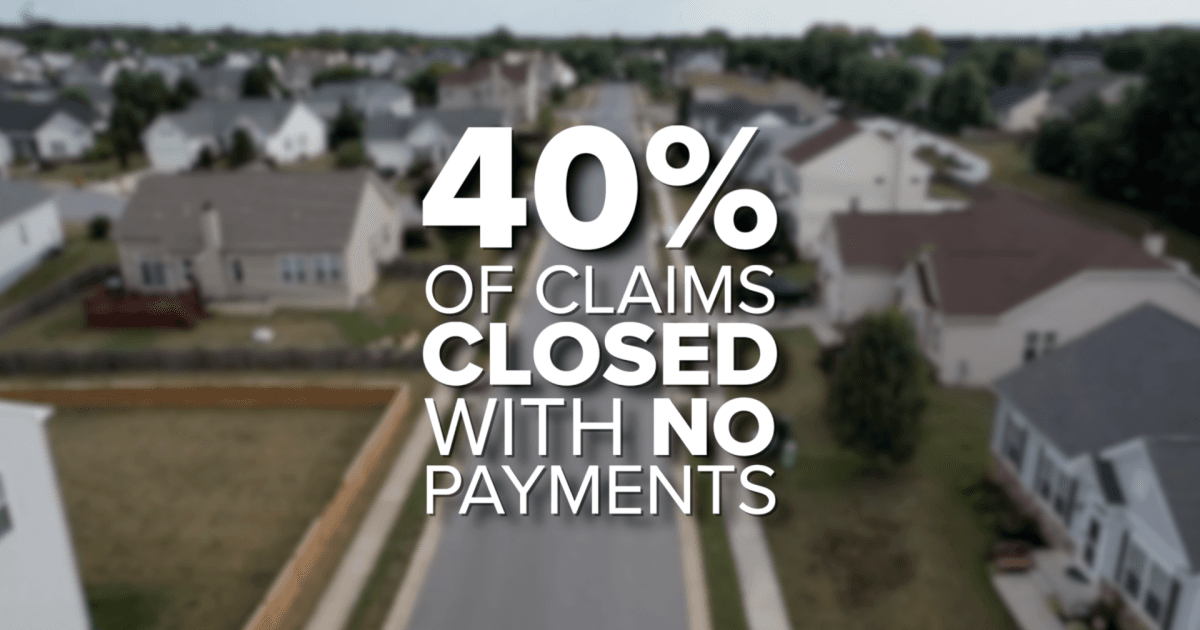
Florida homeowners now face the highest insurance burdens in the nation, with average premiums topping $5,800 per year—roughly $3,000 above the national average. As rates triple for some residents, more Floridians are skipping coverage altogether, while denied claims and slow payouts add to the frustration. With over 40 percent of claims closing with no payment and lawmakers battling over reform in Tallahassee, the crisis is reshaping budgets, homebuying decisions, and the real estate industry statewide.

How Global Investors Are Rewriting the Real Estate Playbook for 2026

Global capital is surging back into real estate—and this time, investors want more control. Colliers’ 2026 Global Investor Outlook reveals a major shift toward direct investments, joint ventures, and hands‑on strategies as money moves across North America, Europe, and the booming Asia‑Pacific markets. Data centers are now the top‑funded asset class, offices are staging a comeback, and adaptive reuse is reshaping cities worldwide. For real estate and finance professionals, the message is clear: opportunity is accelerating, and those with the right education and licensing will be at the center of the action.

Why Lower Interest Rates Still Aren’t Saving Commercial Real Estate

The Fed’s recent rate cuts should have offered relief to commercial real estate—but long-term borrowing costs haven’t budged. While short‑term rates are falling, stubborn long‑term yields, broken deal math, and a trillion‑dollar refinancing wave are keeping the market frozen. For investors and professionals across Florida and the nation, understanding this disconnect is key to navigating the opportunities and risks emerging in today’s shifting CRE landscape.