GAO Pushes FHFA to Rein in Fair Lending Risks as AI Accelerates Mortgage Technology

Digital key unlocking smart home security

The rapid rise of property technology and artificial intelligence in the homebuying process has prompted a major call to action from the Government Accountability Office (GAO). In a deeply detailed report, the GAO urges the Federal Housing Finance Agency (FHFA) to provide clear, written guidance for Fannie Mae and Freddie Mac on maintaining full fair‑lending compliance as digital tools continue reshaping the mortgage landscape.

This development, highlighted by HousingWire, arrives at a pivotal moment. AI‑driven valuation tools, automated underwriting systems, smart advertising algorithms, and digital e‑closing platforms are becoming integral to the modern homebuying journey. And while these tools promise efficiency, speed, and broader access, the GAO warns of their potential to unintentionally perpetuate discrimination.

Where Technology Meets Fair Lending Risk

According to the GAO, several rapidly emerging technology categories introduce possible violations of fair housing laws:

• Chatbots or algorithmic advertising that may steer protected groups toward certain listings
• Automated valuation models based on historical price patterns shaped by discrimination
• Underwriting algorithms inheriting biases from decades of lending practices
• E‑closing systems that reduce paperwork but present wire‑fraud vulnerabilities

The concern isn’t that AI is intentionally discriminatory — it’s that models trained on biased historical data may quietly replicate old inequalities in new digital systems.

A Regulatory Landscape in Flux

The GAO’s report responds to a request from Rep. Maxine Waters and Sen. Elizabeth Warren, who sought urgent clarity on the growing intersection of AI, proptech, and housing fairness. Their concerns are timely: the FHFA has recently shifted priorities and revised several oversight procedures, including key components of its fair‑lending framework.

While FHFA has conducted examinations of valuation and underwriting technology, agencies like the CFPB, FTC, and HUD have not yet adopted similar product‑focused oversight models. According to the GAO, FHFA’s recent rule changes intensify the need for updated written direction so Fannie Mae and Freddie Mac clearly understand federal expectations.

In a letter attached to the report, Christopher Bosland, deputy director for FHFA’s Division of Enterprise Regulation, reaffirmed that both enterprises remain responsible for complying with all fair lending laws. He referenced a 2019 advisory bulletin as part of FHFA’s current compliance expectations.

Why This Matters for Today’s Real Estate and Mortgage Professionals

As proptech and AI become woven into how homes are marketed, valued, and financed, real estate and mortgage professionals must stay ahead of both innovation and regulation. Fair‑lending compliance is no longer only a policy issue — it has become a technical discipline.

For agents, loan officers, underwriters, appraisers, and compliance specialists aiming to deepen their understanding, education is now an essential advantage. Cameron Academy continues to support professionals across the country with licensing and continuing‑education programs designed to keep them informed, competitive, and compliant in a rapidly evolving landscape.

The Bigger Picture: Tech Isn’t Slowing Down

The GAO’s message is unmistakable: innovation is accelerating faster than regulation can keep up. With AI advancing daily and federal guidance still forming, the responsibility falls on both regulators and industry professionals to ensure modern tools do not reinforce longstanding inequities.

For now, all eyes are on the FHFA as the industry awaits potential formal guidance — and how it will shape the future of fair lending in an increasingly digital housing market.

To explore the full original report and stay updated, visit HousingWire’s complete coverage.

More Articles

Getting licensed or staying ahead in your career can be a journey—but it doesn’t have to be overwhelming. Grab your favorite coffee or tea, take a moment to relax, and browse through our articles. Whether you’re just starting out or renewing your expertise, we’ve got tips, insights, and advice to keep you moving forward. Here’s to your success—one sip and one step at a time!

Florida’s Insurance Market Meltdown: Why New Reforms Are Repeating Old Mistakes

Florida’s property insurance system is once again spiraling as new “market-friendly” reforms fail to stabilize rising premiums, insurer failures, and mounting homeowner frustration. Despite aggressive efforts to shift policyholders from Citizens to private carriers, many of the new insurers stepping in are tied to past insolvencies, questionable ratings, and political influence. For real estate, mortgage, and insurance professionals, these systemic cracks are reshaping closings, valuations, and risk across the state—making it essential to stay ahead of ongoing regulatory and market shifts.

Top 2026 Commercial Real Estate Issues: The Trends Professionals Must Watch

Commercial real estate is heading into a turning‑point year in 2026, driven by economic uncertainty, AI‑powered transformation, shifting demographics and rising portfolio risk. Insights from The Counselors of Real Estate highlight the top issues shaping the year ahead—from fiscal pressures and capital constraints to housing shortages, global volatility and the future of data‑driven decision‑making. For real estate, mortgage, insurance and finance professionals, these trends offer a clear roadmap for staying competitive and preparing for the next wave of industry change.

The Tech Wave Transforming Real Estate in 2025

AI-powered tools, fraud protection systems, and smarter MLS integrations are sweeping through the real estate industry as major organizations adopt new technologies. From RealReports hitting its 50th partnership to BeachesMLS unveiling instant AI home visualizations and Doorify boosting security, professionals are seeing rapid advancements that promise sharper insights, safer transactions, and more efficient rental workflows. This evolving tech landscape underscores the importance of staying educated and adaptable — especially for agents preparing for a competitive, AI-enhanced 2025 market.

Florida’s Insurance Crisis Deepens as Premiums Soar and Claims Go Unpaid

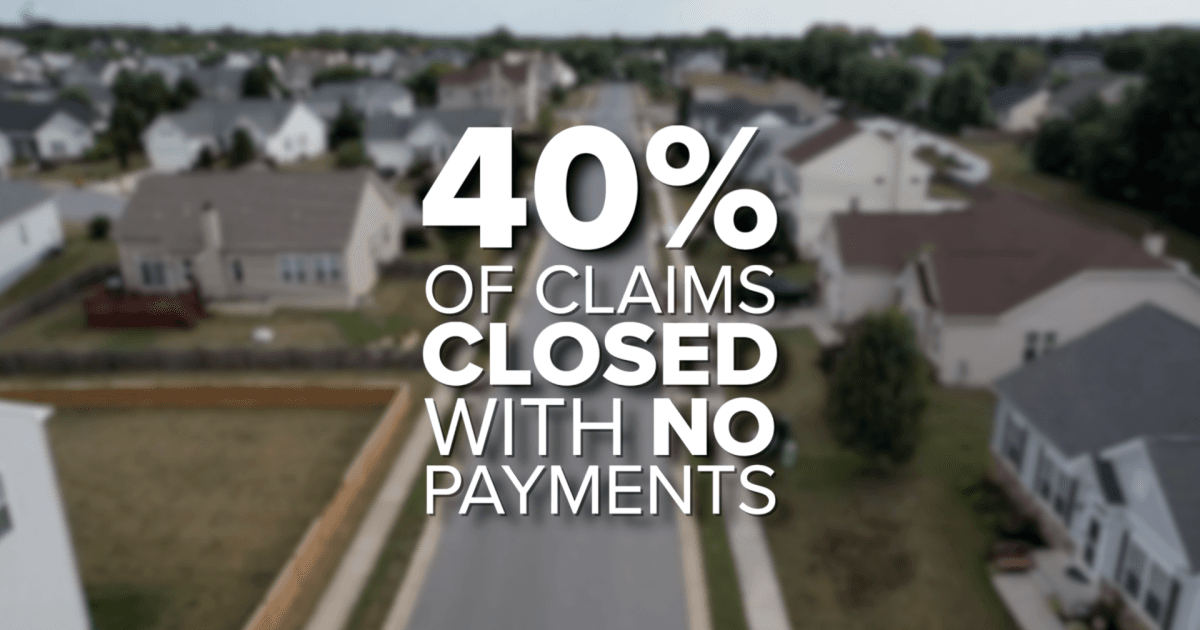
Florida homeowners are being hit with the highest insurance premiums in the nation, averaging $5,838 per year—nearly double the U.S. average. As costs skyrocket, many residents are reporting denied claims, non‑renewals, and impossible financial choices. New investigations reveal that more than 40 percent of claims in Florida close with no payment, while lawmakers push for transparency, fair pricing, and meaningful reform to stabilize a market that’s rapidly becoming unsustainable.

AI-Powered Parking Startup Vend Park Secures $17.5M to Transform a Forgotten Real Estate Asset

Vend Park, a Boston-based proptech company, has raised $17.5 million in Series A funding to reinvent parking as a high-performing commercial real estate asset. By replacing outdated operator–vendor systems with a unified AI-driven platform, Vend Park is helping major property owners boost NOI by up to 30%, slash operating costs, and modernize the tenant experience. As the company expands from three to fifteen cities and partners with giants like Nuveen and Jamestown, its technology highlights a major shift: real estate professionals must now understand AI, automation, and digital infrastructure to stay competitive.

Keller Williams Atlanta Partners Teams Up with Southeast Mortgage in a Major Georgia Market Shake‑Up

Keller Williams Realty Atlanta Partners has formed an exclusive partnership with Southeast Mortgage, Georgia’s largest non‑bank mortgage lender. The collaboration promises faster, tech‑enhanced transactions for both agents and homebuyers, combining real estate expertise with streamlined mortgage services. This move reflects a growing trend toward integrated real‑estate ecosystems designed to reduce delays, boost transparency, and modernize the homebuying experience.