In the ever-evolving landscape of legal practice, the integration of Generative AI (GenAI) is reshaping the way attorneys approach their work. As reported in a recent article by Thomson Reuters Legal Solutions, the legal community is grappling with the ethical, procedural, and substantive challenges posed by these advanced technologies.
Understanding the Ethical Landscape
The American Bar Association (ABA) has issued guidance emphasizing that lawyers must fully consider their ethical obligations when employing GenAI in their practice. These include providing competent legal representation, protecting client information, and maintaining candor towards the tribunal.
Risks and Challenges
GenAI introduces both output and input risks. Output risks involve inaccuracies such as hallucinations, where AI systems generate incorrect information with unwarranted confidence. As highlighted by Thomson Reuters, these hallucinations can have severe repercussions, as seen in cases where lawyers faced sanctions for submitting fictitious citations generated by AI.
Input risks, on the other hand, primarily concern the potential breach of confidentiality. Legal professionals are advised to ensure that any GenAI tools they use are compliant with confidentiality agreements to prevent unauthorized access to sensitive client information.
Policy and Regulatory Considerations
Various U.S. federal agencies, including the SEC, FTC, and FCC, have begun to issue rules and guidance to regulate specific AI applications. The legal community must stay informed about these developments to navigate the complexities of AI-related legal issues effectively.
GenAI in Practice Areas
The impact of GenAI spans numerous practice areas, including product liability, data protection, and intellectual property. Legal practitioners must be vigilant in understanding how these technologies affect their specific domains and the potential liabilities they introduce.
For more insights on the integration of AI in legal practice, refer to the comprehensive analysis provided by Thomson Reuters.
More Articles
Getting licensed or staying ahead in your career can be a journey—but it doesn’t have to be overwhelming. Grab your favorite coffee or tea, take a moment to relax, and browse through our articles. Whether you’re just starting out or renewing your expertise, we’ve got tips, insights, and advice to keep you moving forward. Here’s to your success—one sip and one step at a time!
"AI and machine learning are emerging as powerful technologies to address this issue, improving the accuracy of medical diagnosis and revolutionizing healthcare with their myriad applications."
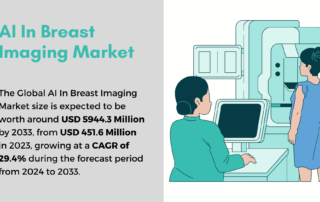
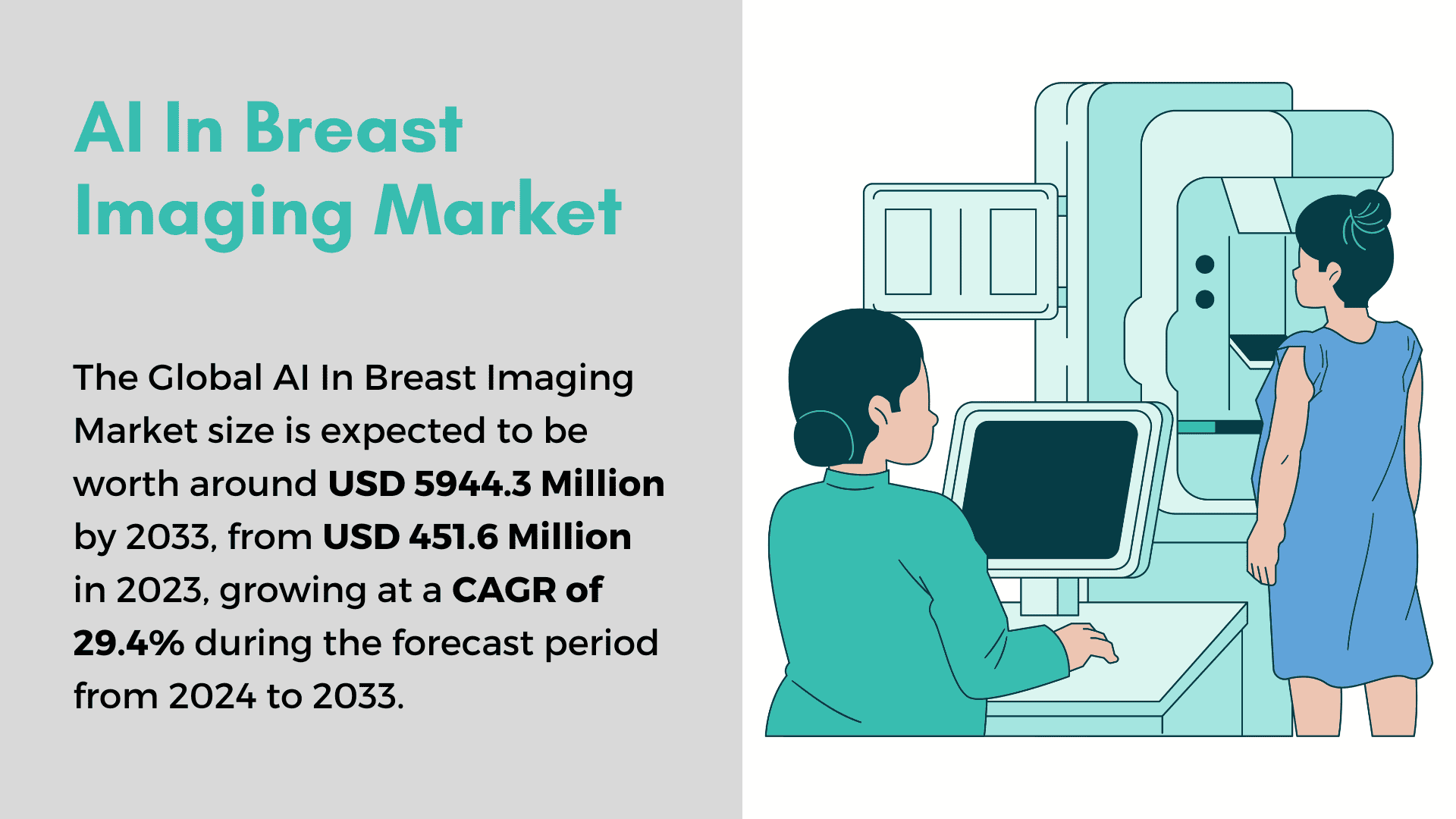
The global AI in breast imaging market is on a remarkable growth trajectory, projected to swell from USD 451.6 million in 2023 to an impressive USD 5944.3 million by 2033. This represents a compound annual growth rate (CAGR) of 29.4%, primarily driven by cutting-edge advancements in AI technologies that significantly enhance diagnostic accuracy, facilitate early detection, and boost healthcare efficiency.
Virtual real estate in metaverses is becoming a focal point for investors worldwide, with digital plots of land mirroring traditional real estate value based on location, size, and platform popularity.
Artificial intelligence (AI) and machine learning are at the forefront of revolutionizing in-vitro diagnostic (IVD) tools, redefining diagnostics and enhancing healthcare outcomes on multiple fronts.
As we edge closer to 2030, the life sciences industry stands on the threshold of transformative changes. With a global valuation exceeding $2 trillion, the sector is poised for significant growth, driven by technological advancements and an aging population.
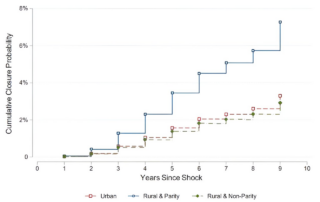
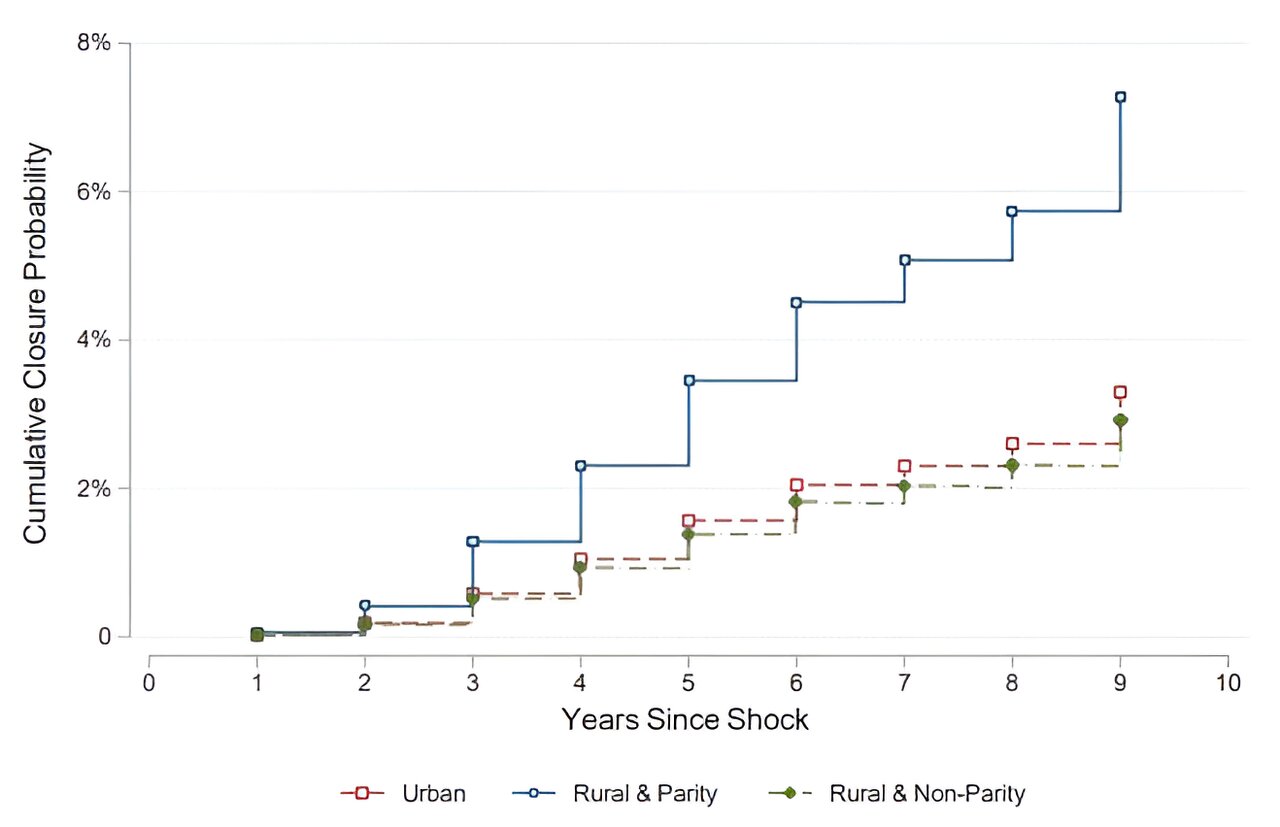
The advent of telehealth has revolutionized the way patients, particularly those in rural areas, access health care. By offering remote consultations and follow-up care, telehealth provides a convenient alternative to traveling long distances to urban hospitals. However, this technological advancement brings with it a set of challenges that could reshape the rural health care landscape.