In the ever-evolving landscape of legal practice, the integration of Generative AI (GenAI) is reshaping the way attorneys approach their work. As reported in a recent article by Thomson Reuters Legal Solutions, the legal community is grappling with the ethical, procedural, and substantive challenges posed by these advanced technologies.
Understanding the Ethical Landscape
The American Bar Association (ABA) has issued guidance emphasizing that lawyers must fully consider their ethical obligations when employing GenAI in their practice. These include providing competent legal representation, protecting client information, and maintaining candor towards the tribunal.
Risks and Challenges
GenAI introduces both output and input risks. Output risks involve inaccuracies such as hallucinations, where AI systems generate incorrect information with unwarranted confidence. As highlighted by Thomson Reuters, these hallucinations can have severe repercussions, as seen in cases where lawyers faced sanctions for submitting fictitious citations generated by AI.
Input risks, on the other hand, primarily concern the potential breach of confidentiality. Legal professionals are advised to ensure that any GenAI tools they use are compliant with confidentiality agreements to prevent unauthorized access to sensitive client information.
Policy and Regulatory Considerations
Various U.S. federal agencies, including the SEC, FTC, and FCC, have begun to issue rules and guidance to regulate specific AI applications. The legal community must stay informed about these developments to navigate the complexities of AI-related legal issues effectively.
GenAI in Practice Areas
The impact of GenAI spans numerous practice areas, including product liability, data protection, and intellectual property. Legal practitioners must be vigilant in understanding how these technologies affect their specific domains and the potential liabilities they introduce.
For more insights on the integration of AI in legal practice, refer to the comprehensive analysis provided by Thomson Reuters.
More Articles
Getting licensed or staying ahead in your career can be a journey—but it doesn’t have to be overwhelming. Grab your favorite coffee or tea, take a moment to relax, and browse through our articles. Whether you’re just starting out or renewing your expertise, we’ve got tips, insights, and advice to keep you moving forward. Here’s to your success—one sip and one step at a time!
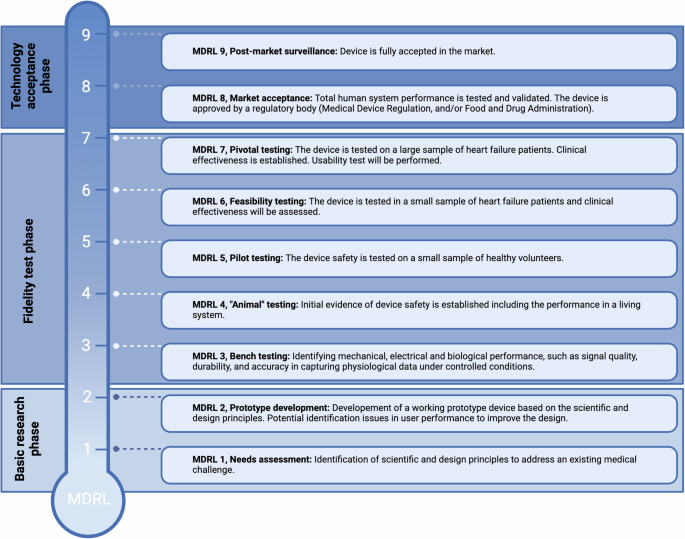
Wearable devices offer a personalized and empowering experience for patients, potentially becoming a vital component of modern heart failure management. Yet, the review underscores a significant barrier: the lack of rigorous evaluations.
In the ever-evolving landscape of finance, the integration of AI technology is revolutionizing how financial institutions operate, interact with customers, and make strategic decisions.
In Kenya, a financial revolution is quietly unfolding with the emergence of blockchain-based microcredit, promising to enhance financial inclusion by addressing accessibility and trust challenges inherent in traditional banking systems.
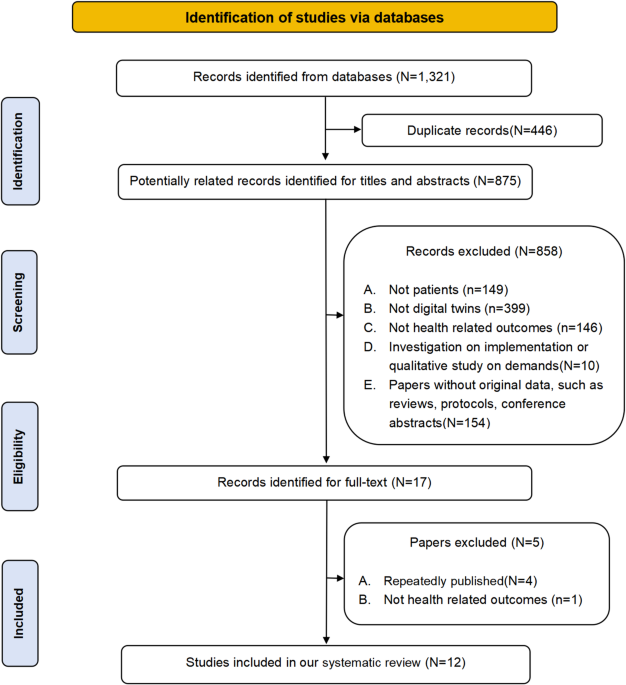
Digital twins are emerging as a pivotal technology in the realm of precision health, revolutionizing patient outcomes through personalized health management, precision therapies, and risk prediction.
The global 3D printing construction market is on the brink of a remarkable transformation. Currently valued at USD 0.34 billion in 2023, it is projected to surge to USD 910 million by 2024, and ultimately reach USD 2.3 billion by 2032.
As the world of healthcare continues to evolve, nurses are at the forefront, embracing telehealth technology to revolutionize patient care. With the increased demand on healthcare systems due to an aging population and ongoing nursing shortages, telehealth is becoming an indispensable tool for nurses, enhancing patient outcomes and expanding access to quality healthcare.