Getting a Real Estate License in Florida: A Comprehensive Guide


Florida, known for its sunny beaches and a haven for retirees, presents a lucrative opportunity for real estate professionals. To engage in buying and selling real estate in Florida, one must navigate through specific requirements and procedures.
To begin with, aspiring real estate agents or brokers must be at least 18 years old. They are required to complete specific real estate coursework and pass an exam, or in some cases, two exams, depending on the type of license pursued. Additionally, a criminal background check is mandatory.
Types of Licenses:
  • Real Estate Agent (Sales Associate): Authorized to handle real estate transactions but must operate under a licensed broker.
  • Real Estate Broker: Can own their own company and hire other agents to work for them.

The distinction between a real estate agent and a broker largely hinges on experience and education. Agents are required to work under a licensed broker, whereas brokers have the autonomy to work independently and hire agents.

Key Requirements:

  • Age: 18 years and older.
  • Education: 63 hours of real estate coursework for agents or 72 hours for brokers, or a four-year degree in real estate.
  • Experience: Brokers need at least two years as an agent within the past five years.
  • Exam: Both agents and brokers must pass a final exam.
  • Additional: Must pass a background check.

Cost and Time Commitment:

Becoming a real estate professional in Florida requires both time and financial investment. The cost for an aspiring agent ranges between $400 and $500, while a broker can expect to spend between $500 and $600. The process for becoming a sales associate typically takes one to two months, whereas brokers must complete additional coursework and have two years of experience as an agent.

Reciprocity Agreements:

Florida offers reciprocity agreements with 10 states, including Alabama, Arkansas, and Georgia, allowing licensed individuals from these states to apply for a Florida license without starting from scratch. However, they must pass a Florida-specific exam.

Application Process:

Applicants can apply for a Florida real estate license online or by mail. The review process takes about four to six weeks, after which candidates can schedule their exam with Pearson VUE. Upon passing the exam, the license is automatically issued within seven to 10 business days.
For more detailed information, refer to the original article on Investopedia.

Conclusion:

Obtaining a real estate license in Florida involves meeting specific requirements, including coursework, exams, and background checks. The investment of time and money can be worthwhile, given Florida’s thriving real estate market and its appeal to retirees and new residents.


More Articles

Getting licensed or staying ahead in your career can be a journey—but it doesn’t have to be overwhelming. Grab your favorite coffee or tea, take a moment to relax, and browse through our articles. Whether you’re just starting out or renewing your expertise, we’ve got tips, insights, and advice to keep you moving forward. Here’s to your success—one sip and one step at a time!

The Tokenization Tsunami: Why Digital Assets Are Reshaping Wall Street, Washington, and Your Professional Future

Tokenization has surged from crypto niche to global financial disruptor as institutions like Robinhood, BlackRock, and Coinbase race to digitize real-world assets. With pro‑crypto political momentum, shifting regulations, and private companies resisting newfound transparency, this emerging wave is transforming how investments are bought, sold, and accessed. For professionals in real estate, finance, lending, and insurance, this shift signals massive opportunity—and equally massive responsibility—as the next era of asset ownership takes shape.

Florida’s 2026 Insurance Shake‑Up: Citizens Approves Major Statewide Rate Cuts

Florida homeowners are finally getting relief as Citizens Property Insurance announces an average 8.7% statewide rate reduction for 2026, with South Florida seeing cuts as high as 14%. Driven by recent tort reforms and a stabilizing market, these decreases signal a major turnaround for an industry once on the brink of collapse — and a potential boost for real estate activity across the state.

The 2026 Housing Market Finally Returns to “Normal” as Inventory Stabilizes and Demand Takes the Lead

After years of roller‑coaster chaos, the 2026 U.S. housing market is easing into something professionals haven’t seen in a long time: balance. Inventory growth has slowed to just 10% year over year—down sharply from 2025’s surge—signaling the end of the pandemic‑era scarcity and the rise of a market driven by real‑time demand and interest rates. With seasonal patterns returning, negotiations replacing bidding wars and rates drifting toward 6%, agents, lenders and investors are finally navigating conditions that look… normal.

Gen Z Is Skipping Wall Street Advice and Turning to #RichTok for Financial Independence

More than half of Gen Z investors say they entered the stock market because of social media—not textbooks, not advisors. Viral creators, AI tools, and crypto trends are reshaping how young adults learn about money, invest early, and chase financial freedom. This Fortune‑featured shift highlights a generation determined to build wealth fast, trust digital voices over traditional institutions, and redefine financial education for the future.

The U.S. Housing Market Is Finally Normalizing in 2026 — What Today’s Professionals Need to Know

After years of extremes, the U.S. housing market is shifting into a more balanced, predictable phase. Inventory growth has cooled from last year’s surge, seasonality is returning, and pricing is becoming increasingly rate‑sensitive. With mortgage rates hovering near 6% and policy changes reshaping investor participation, 2026 is emerging as a negotiation‑driven market where skilled agents, lenders, builders, and investors have a renewed advantage. This new landscape rewards strategy, education, and real‑time demand awareness—making it an ideal moment for professionals to refine their approach and capitalize on the market’s normalization.

Mortgage Rates Could Drop Faster Than Expected in 2026, Thanks to New MBS Policy

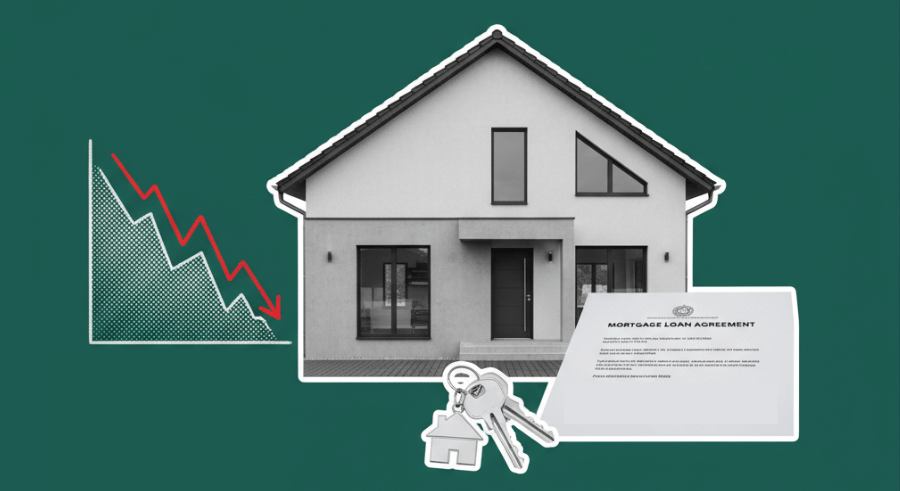
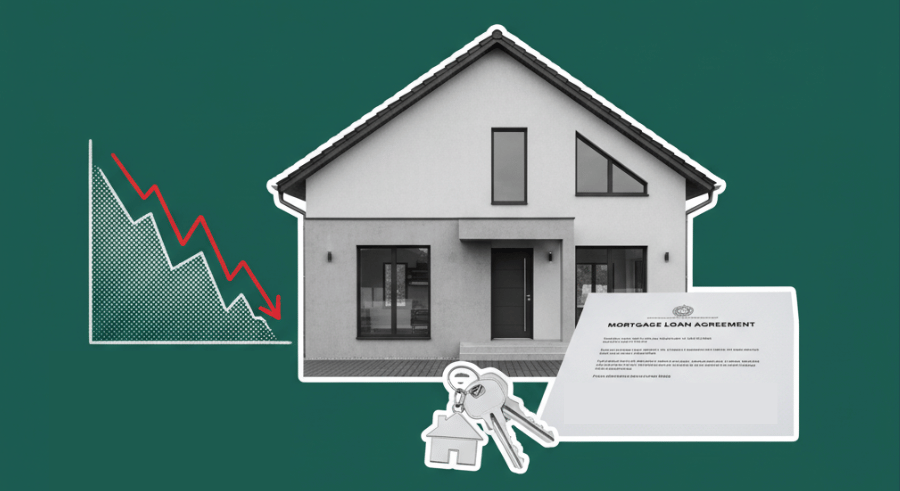
A sudden policy shift at the start of 2026 is already pushing mortgage rates lower, dipping them under 6% for the first time in months. New projections suggest the government-sponsored enterprises’ $200 billion in mortgage‑backed securities purchases could accelerate rate declines throughout the year, boosting affordability, home sales, and overall market activity for buyers, sellers, and real estate professionals alike.