In a remarkable development, the global commercial real estate market is projected to expand by USD 427.3 billion between 2025 and 2029. This significant growth is primarily driven by the flourishing global commercial sector, as outlined in a detailed report by Technavio.
According to the report, the market is expected to rise at a CAGR of 4.6% during the forecast period. Notably, the influence of artificial intelligence is a significant feature in this transformation, as AI continues to drive innovation and reshape the industry landscape.
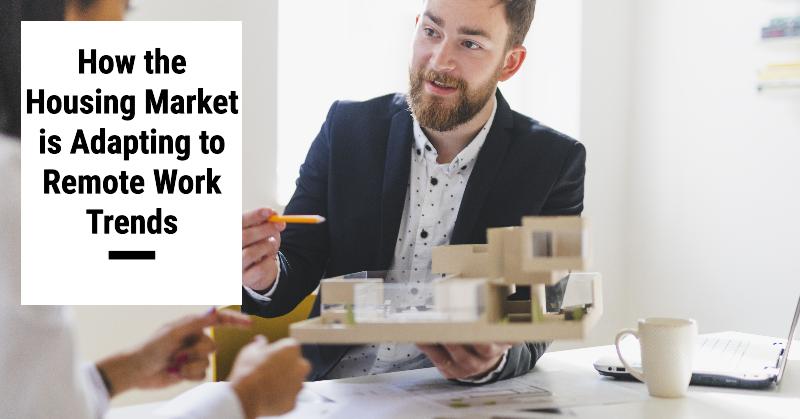
The report highlights the adaptive changes shaping the market, such as the increasing popularity of co-working spaces, driven by technological advancements like virtual reality and AI. Furthermore, challenges such as the rise of remote work and changes in consumer behavior are poised to impact traditional office space demands.
Developers are responding by integrating flexibility and technology, underscoring the importance of data analytics in decision-making processes. The market’s evolution presents both opportunities and obstacles, with advances in AI and technology continuing to drive market transformation.
Key market players mentioned in the article include Atlas Technical Consultants, Boston Commercial Properties Inc., Brookfield Business Partners LP, CBRE Group Inc., among others. These companies, along with emerging trends, contribute significantly to the market dynamics during the forecast period.
The report underscores the thriving retail and hospitality industries, buoyed by a stable economic environment. The Smart Cities Mission is driving demand for commercial spaces, particularly in IT and engineering sectors. Additionally, the growth of e-commerce is fueling demand for warehouses, while the vaccine campaign boosts confidence in hospitality and office spaces.
However, the market faces challenges from the rise of remote work and online shopping, which are reshaping traditional office space demands. Businesses are adapting by offering flexible workspaces and integrating advanced technology like virtual reality.
Conclusion
In summary, the commercial real estate market is experiencing a dynamic shift with the convergence of various trends. The future of commercial real estate is technology-driven, sustainable, and adaptive to changing business needs, presenting a vibrant landscape for investors and businesses alike.
More Articles
Getting licensed or staying ahead in your career can be a journey—but it doesn’t have to be overwhelming. Grab your favorite coffee or tea, take a moment to relax, and browse through our articles. Whether you’re just starting out or renewing your expertise, we’ve got tips, insights, and advice to keep you moving forward. Here’s to your success—one sip and one step at a time!
Imagine a morning where the commute is just a few steps from your bedroom to your home office. This is the reality for many in today's post-pandemic world, where remote work has become a staple of the modern workforce.
CRISPR technology has become the frontrunner in genome editing, surpassing earlier methods like zinc finger nucleases and transcription activator-like effector nucleases. The recent FDA approval of the CRISPR-Cas9 drug, exa-cel, marks a significant milestone particularly for treating sickle cell disease and transfusion-dependent beta thalassemia.
In recent years, artificial intelligence has emerged as a revolutionary tool in the field of oncology. AI's integration into healthcare transcends buzzwords, transforming cancer diagnosis, treatment personalization, and drug discovery.
The rapid advancements in artificial intelligence (AI) are transforming the landscape of radiology, promising to enhance diagnostic accuracy and support personalized medicine. However, as this technology becomes more integral to medical imaging, it brings with it a host of ethical and societal considerations that cannot be ignored.
AI's promise in healthcare is undeniable, with its ability to uncover hidden disease patterns and predict illnesses. However, the reliance on historical data can exacerbate existing biases, particularly affecting marginalized communities such as the LGBTQIA+ and certain ethnic and racial groups.
Telemedicine stands out as a transformative force, offering a lifeline to patients and providers alike. As we move beyond the pandemic, the challenge is to integrate this technology without escalating costs or overshadowing the indispensable role of in-person consultations.