Green Building Trends and Drivers for U.S. Commercial Real Estate Investors

As the landscape of commercial real estate evolves, institutional investors are encountering a myriad of challenges that are shaping their investment strategies. One of the most significant factors influencing these strategies is the rise in interest rates, which has become a central concern for investors seeking to maximize returns.
Adapting to Climate Risks
In this dynamic environment, sustainability and climate risk mitigation have emerged as critical components of investment strategies. According to the U.S. Green Building Council, investors are increasingly focusing on decarbonizing their portfolios and adapting to climate change. This shift is driven by both regulatory pressures and a growing demand for low-carbon assets.
The Urban Land Institute’s 2024 Report highlights how high interest rates can slow economic growth and reduce business investments. However, investors see opportunities in sustainable investments that offer competitive advantages and enhanced asset value.

Investment in Sustainable Assets


Sustainable investments not only help mitigate climate risks but also offer financial benefits. A report by JLL reveals that tenants are willing to pay a premium for Class A sustainable spaces. This trend underscores the importance of investing in green buildings to attract high-value tenants and enhance brand recognition.
Moreover, the World Economic Forum warns of a potential supply gap in low-carbon buildings, which could reach 70% by 2030. This gap presents a unique opportunity for investors to capitalize on the demand for sustainable real estate.

Managing Climate Risks


Investors are increasingly prioritizing risk mitigation as a core business function. Transition risk involves adapting to a low-carbon economy, while physical risk pertains to the tangible impacts of climate change, such as floods and fires. The U.S. SEC’s pending regulations on climate disclosures highlight the need for transparency in addressing these risks.
Data management plays a crucial role in navigating these challenges. By integrating ESG information with financial reporting, investors can make informed decisions and comply with regulatory requirements.

Access to Capital and Rising Insurance Premiums


Accessing low-cost capital is vital for managing climate risks and completing energy-efficient projects. Programs like the Better Buildings Financial Solutions offer financial incentives to support green infrastructure investments.
Rising insurance premiums are another concern for real estate investors. Strategies such as credit swaps and indemnity agreements are being explored to minimize costs and safeguard capital reserves.

Conclusion


In conclusion, the commercial real estate sector is undergoing a transformation as investors prioritize sustainability and climate risk mitigation. By leveraging data-driven strategies and exploring diverse financing options, investors can enhance the resilience and sustainability of their portfolios. Embracing these approaches not only meets regulatory requirements and tenant expectations but also yields higher risk-adjusted returns.

More Articles

Getting licensed or staying ahead in your career can be a journey—but it doesn’t have to be overwhelming. Grab your favorite coffee or tea, take a moment to relax, and browse through our articles. Whether you’re just starting out or renewing your expertise, we’ve got tips, insights, and advice to keep you moving forward. Here’s to your success—one sip and one step at a time!

The Genetic Revolution: CRISPR and Public Opinion

CRISPR-Cas9 democratizes the ability to edit genomes with unprecedented precision and ease, transforming scientific research and sparking profound societal and ethical debates.

Revolutionizing Healthcare: The AI Transformation

Artificial Intelligence (AI) is no longer a futuristic concept in healthcare; it is a reality reshaping the industry today. Visionaries like Vinod Khosla have long predicted AI's potential, foreseeing its ability to replace up to 80% of standard medical tasks. This transformation is now evident as AI technologies begin to outperform traditional methods, particularly in areas requiring precision and data processing.

Exploring the Intersection of AI and Patient-Centered Care

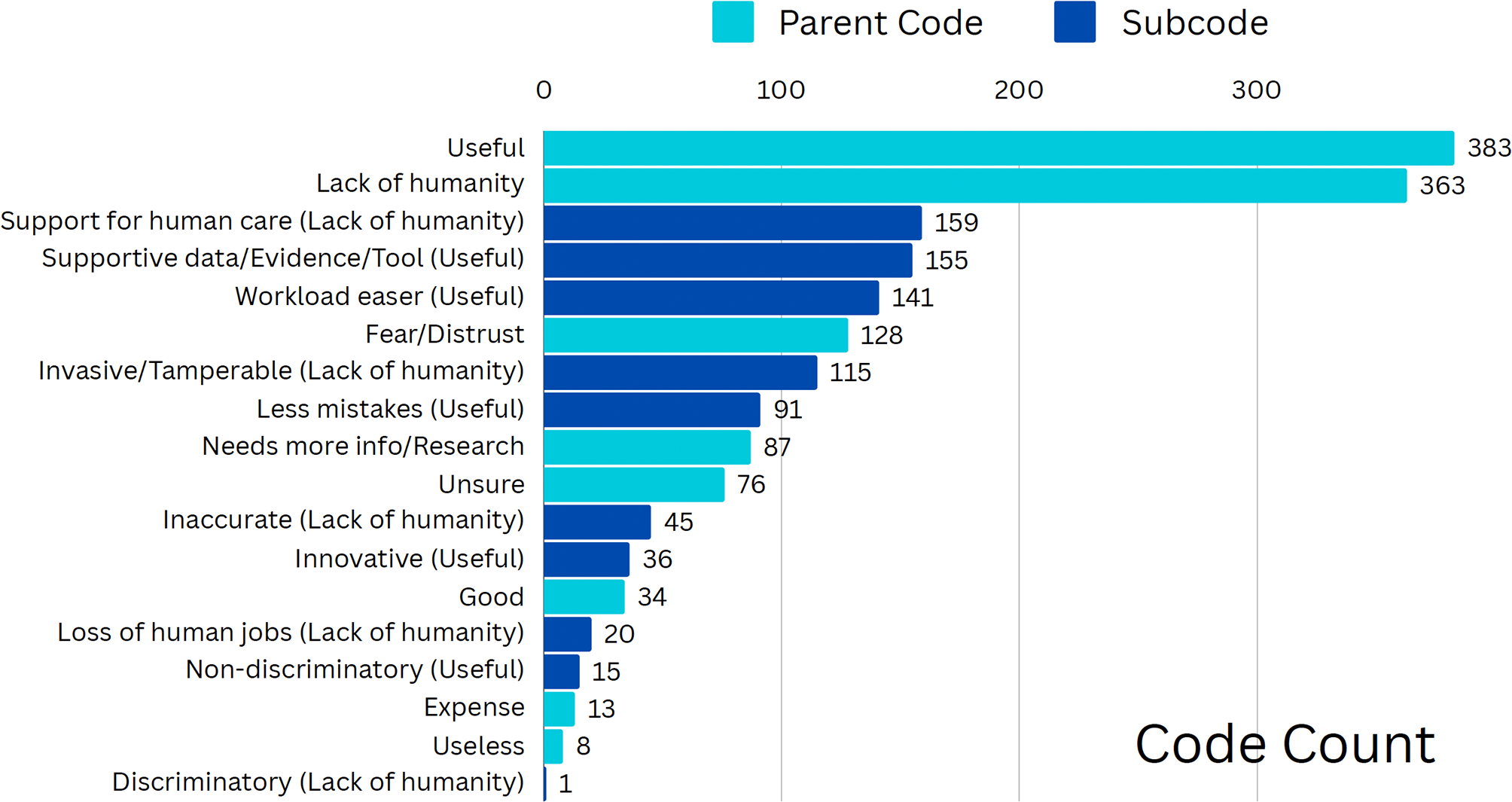
In a groundbreaking study published in BMC Medical Ethics, researchers have delved into the public's perception of artificial intelligence (AI) in healthcare, spotlighting both ethical concerns and potential opportunities for enhancing patient-centered care.

By |December 19, 2024|Categories: Article, Ethics, Healthcare|Tags: , |0 Comments

The AI Revolution in Real Estate

The real estate industry is experiencing a seismic shift, thanks to the integration of artificial intelligence (AI). This cutting-edge technology is fundamentally transforming property acquisition, sales, and management processes. AI's influence extends to predictive analytics, which are reshaping investment decisions, and virtual property tours, which are revolutionizing how we navigate the real estate landscape.

By |December 19, 2024|Categories: Article, Artificial Intelligence, Real Estate|Tags: |0 Comments

Virtual Care in 2024: Challenges and Opportunities for Telehealth

The telehealth market is experiencing a remarkable surge, driven by the increasing adoption of digital health solutions and remote care services.

NAR 2024 Sustainability Report: A Greener Future for Real Estate

The findings suggest that the industry is on the cusp of a "green revolution," with significant strides being made towards sustainability.


By |December 18, 2024|Categories: Article, Real Estate, Sustainability|Tags: , |0 Comments