Heart Attack Diagnostics Market Surges with Technological Innovations
The heart attack diagnostics market is poised for remarkable growth, driven by groundbreaking advancements in artificial intelligence, biomarkers, and cutting-edge imaging technologies. According to a recent report, this burgeoning sector is projected to expand from USD 11.68 billion in 2024 to USD 27.95 billion by 2035, reflecting a compound annual growth rate (CAGR) of 8.26% during the forecast period.
The surge in the market is attributed to several factors, including rising rates of cardiovascular diseases (CVDs), increased healthcare awareness, and substantial government funding and initiatives. Moreover, the proliferation of diagnostic centers and laboratories further fuels this growth.
Innovations in diagnostic technologies are at the forefront of this expansion. The introduction of high-sensitivity troponin tests has notably enhanced early detection capabilities. An exemplary advancement is GE Healthcare’s Caption AI, integrated into the Vscan Air SL, which was launched in April 2024. This technology broadens access to cardiac care by enabling a wider range of clinicians to capture diagnostic-quality cardiac images.
Market Segmentation
By Type: Non-invasive tests dominated the market in 2024 due to their safety, accessibility, and patient-friendly nature. Technologies like CT and MRI scans continue to advance, offering safer diagnostic options.
By Test: The ECG segment led the market, benefiting from its cost-effectiveness and reliability in diagnosing acute myocardial infarction.
By End-User: Hospitals and clinics accounted for the highest revenue, thanks to their advanced diagnostic infrastructure and skilled healthcare professionals.
Regionally, North America is expected to maintain the highest revenue share, driven by advanced healthcare infrastructure and significant healthcare expenditure. Meanwhile, the Asia Pacific region is predicted to grow at the fastest CAGR due to improving healthcare infrastructure and increasing awareness of heart health.
For more details on the market dynamics, visit the full report.
“`
More Articles
Getting licensed or staying ahead in your career can be a journey—but it doesn’t have to be overwhelming. Grab your favorite coffee or tea, take a moment to relax, and browse through our articles. Whether you’re just starting out or renewing your expertise, we’ve got tips, insights, and advice to keep you moving forward. Here’s to your success—one sip and one step at a time!
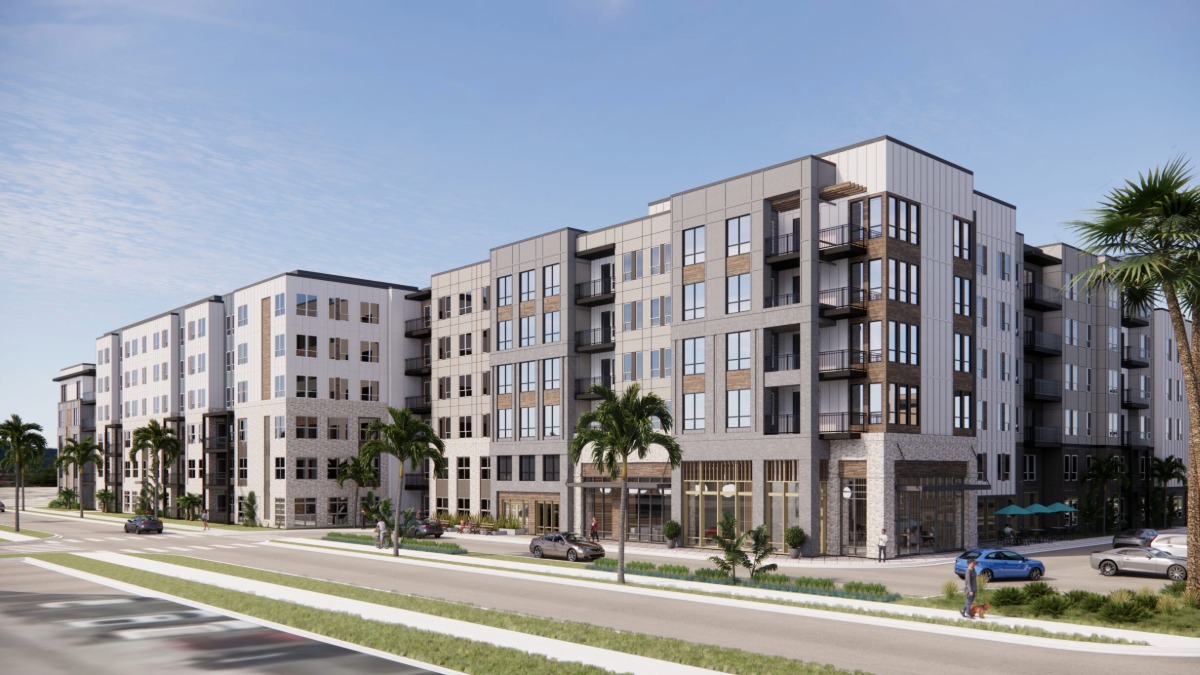
Landmark Properties has officially begun construction on The Mark Tampa, a six‑story luxury student community featuring over 800 beds, rooftop amenities, study spaces, retail, and modern unit layouts. Set to open before the 2027–2028 school year, the project signals strong investor confidence in North Tampa’s booming student housing market.
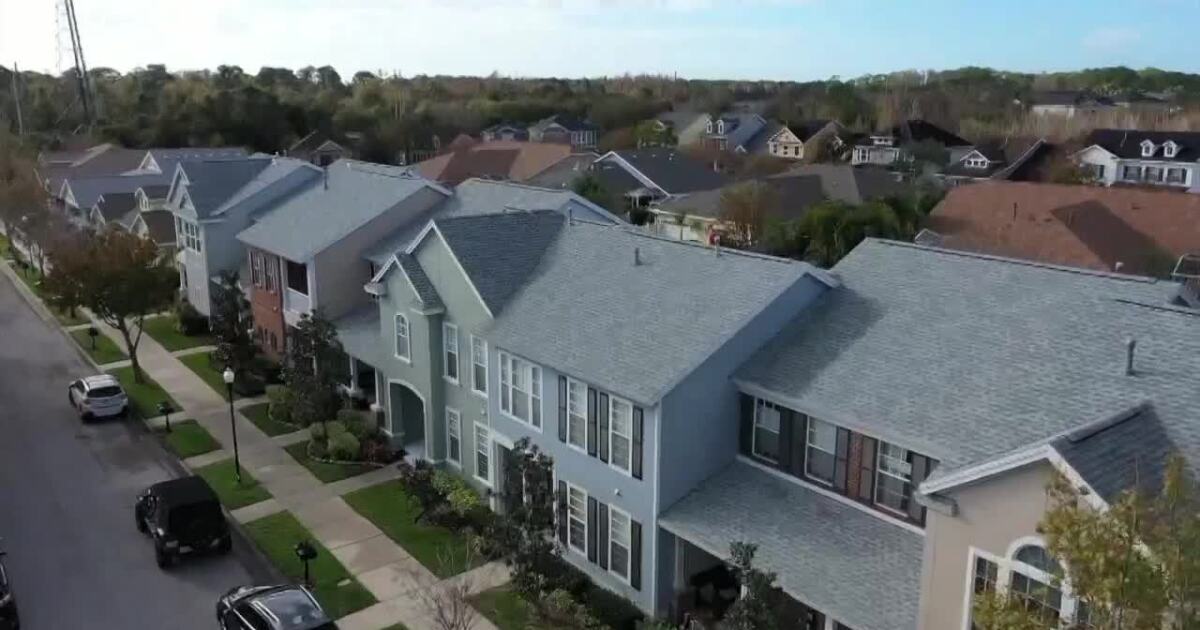
Florida’s property and auto insurance crisis is intensifying, setting the stage for a major political showdown ahead of the 2026 elections. Republicans argue recent reforms are finally stabilizing the market, while Democrats insist families are being crushed by soaring premiums and can’t wait for relief. With homeowners, condo associations, and insurers all feeling the pressure, lawmakers are preparing for one of the most consequential legislative battles in years.
Markets are betting heavily on a Federal Reserve rate cut in December, but that doesn’t guarantee lower mortgage rates. Even with an 85% chance of a cut priced in, mortgage rates move more with the 10‑year Treasury than the Fed itself — and recent history shows rates can rise even when the Fed eases. Today’s 6.43% average rate is the lowest in over a year, but still unpredictable, making financial readiness more important than trying to time the market.
Grand Junction is experiencing a powerful commercial real estate upswing, with 151 commercial units closed so far in 2025—a 36% jump from last year. Building permits are also up 23%, signaling expanding development momentum. Brokers say interest from national chains is accelerating the city’s evolution, bringing jobs, investment, and long‑term economic potential to Colorado’s Western Slope.
Nashville continues its rise as one of the nation’s most attractive real estate markets, landing the #6 spot in the Emerging Trends in Real Estate 2026 report from PwC and ULI. With strong demographic momentum, business expansion, and a development pipeline drawing national eyes, the city stands out amid shifting economic conditions. The report highlights fast‑growing sectors such as data centers, senior housing, and evolving office dynamics—offering real estate professionals valuable insight into where opportunities are emerging next.
Canada’s commercial real estate sector continues to evolve rapidly, with new data revealing major transactions, shifting investment patterns, and emerging economic signals across the country. From resilient retail spending to cooling construction and regional standouts like Montreal and the Prairies, this week’s CRE pulse—powered by Altus Group’s research team—gives real estate, mortgage, and finance professionals a sharp snapshot of the market forces to watch as 2025 winds down.