Heart Attack Diagnostics Market Surges with Technological Innovations
The heart attack diagnostics market is poised for remarkable growth, driven by groundbreaking advancements in artificial intelligence, biomarkers, and cutting-edge imaging technologies. According to a recent report, this burgeoning sector is projected to expand from USD 11.68 billion in 2024 to USD 27.95 billion by 2035, reflecting a compound annual growth rate (CAGR) of 8.26% during the forecast period.
The surge in the market is attributed to several factors, including rising rates of cardiovascular diseases (CVDs), increased healthcare awareness, and substantial government funding and initiatives. Moreover, the proliferation of diagnostic centers and laboratories further fuels this growth.
Innovations in diagnostic technologies are at the forefront of this expansion. The introduction of high-sensitivity troponin tests has notably enhanced early detection capabilities. An exemplary advancement is GE Healthcare’s Caption AI, integrated into the Vscan Air SL, which was launched in April 2024. This technology broadens access to cardiac care by enabling a wider range of clinicians to capture diagnostic-quality cardiac images.
Market Segmentation
By Type: Non-invasive tests dominated the market in 2024 due to their safety, accessibility, and patient-friendly nature. Technologies like CT and MRI scans continue to advance, offering safer diagnostic options.
By Test: The ECG segment led the market, benefiting from its cost-effectiveness and reliability in diagnosing acute myocardial infarction.
By End-User: Hospitals and clinics accounted for the highest revenue, thanks to their advanced diagnostic infrastructure and skilled healthcare professionals.
Regionally, North America is expected to maintain the highest revenue share, driven by advanced healthcare infrastructure and significant healthcare expenditure. Meanwhile, the Asia Pacific region is predicted to grow at the fastest CAGR due to improving healthcare infrastructure and increasing awareness of heart health.
For more details on the market dynamics, visit the full report.
“`
More Articles
Getting licensed or staying ahead in your career can be a journey—but it doesn’t have to be overwhelming. Grab your favorite coffee or tea, take a moment to relax, and browse through our articles. Whether you’re just starting out or renewing your expertise, we’ve got tips, insights, and advice to keep you moving forward. Here’s to your success—one sip and one step at a time!
Florida now holds the highest foreclosure rate in the country, and Tampa sits at the center of the surge. With one in every 1,373 homes facing foreclosure, skyrocketing insurance premiums, rising housing costs and reduced equity are pushing many homeowners—especially those who purchased between 2020 and 2023—into financial distress. While some experts view the spike as a market “normalization,” professionals in real estate and finance are watching closely as Tampa’s backlog clears and pressure continues to build across the state.
Two former 3M campuses in Northwest Austin are set for a dramatic rebirth as Karlin Real Estate pushes forward with plans for Highpoint 2222 and the Duval site. The vision includes office and lab space, up to 65,000 square feet of retail, more than 1,200 multifamily homes, and new green space. With over 500 residents weighing in through the 2222 Coalition of Neighborhood Associations, traffic, density, and environmental protections are shaping the final blueprint. As office demand cools, mixed‑use development is becoming the new normal—positioning this corridor for one of the biggest transformations Austin has seen in years.
Despite constant headlines about a “housing crisis,” many economists and industry professionals argue the reality is more nuanced. In many regions, the issue isn’t a lack of homes but a mismatch between what’s available and what buyers want or can afford. As demographic shifts and remote work reshape demand, the market is evolving—not collapsing—creating opportunities for real estate, mortgage, insurance, and finance professionals who understand the difference between perception and reality.
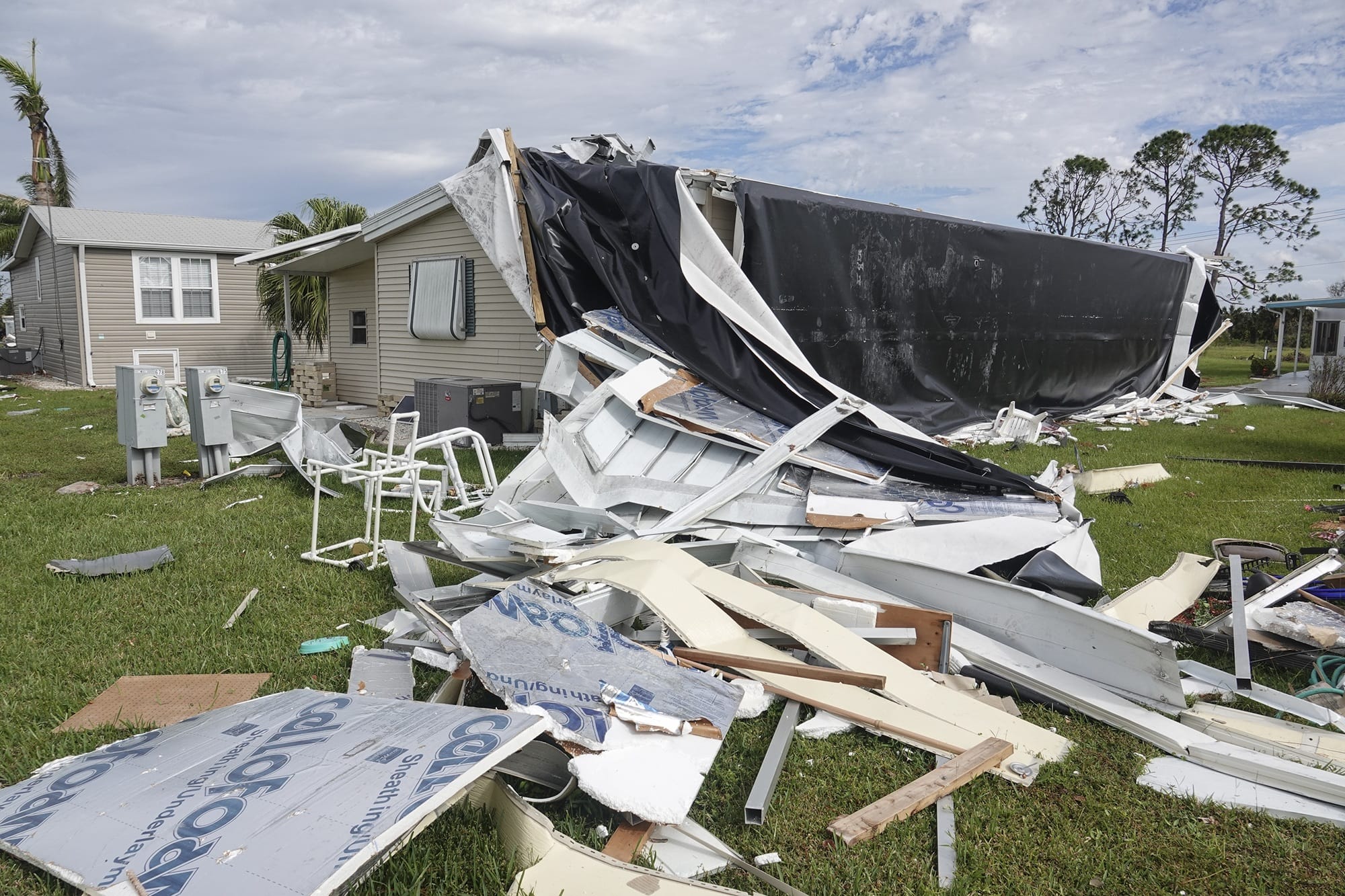
Hurricane Ian’s aftermath has exposed a growing affordability crisis across Southwest Florida. Skyrocketing insurance premiums, soaring construction costs, and rapid gentrification are making it harder for long‑time residents and middle‑class families to stay in their communities. From Fort Myers Beach to inland neighborhoods, homeowners, renters, and small businesses are feeling the pressure as rising costs reshape the region’s housing market and push many to reconsider their future in the state.
Florida’s home insurance market is facing its biggest credibility crisis in years. Despite major reforms meant to stabilize the system, homeowners are being pushed from Citizens into higher‑priced private insurers, many tied to companies that previously collapsed. Questionable financial ratings, high claim‑denial rates, and luxury‑level executive payouts are raising red flags across the state. For real estate and insurance professionals, this unstable landscape is reshaping home affordability, buyer confidence, and long‑term risk in Florida’s property market.
A new Michigan House bill aims to let licensed professionals complete all continuing education requirements online, offering greater flexibility for workers juggling rural travel, multiple jobs, or family demands. Supporters say the reform maintains high professional standards while removing unnecessary barriers, with regulators backing the shift and in‑person options remaining available.