Hidden Housing Costs Poised to Become One of 2026’s Biggest Challenges
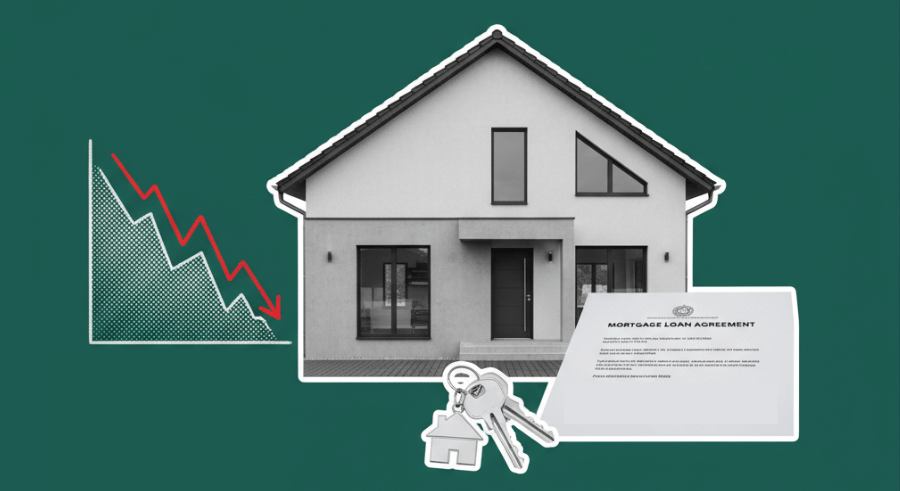
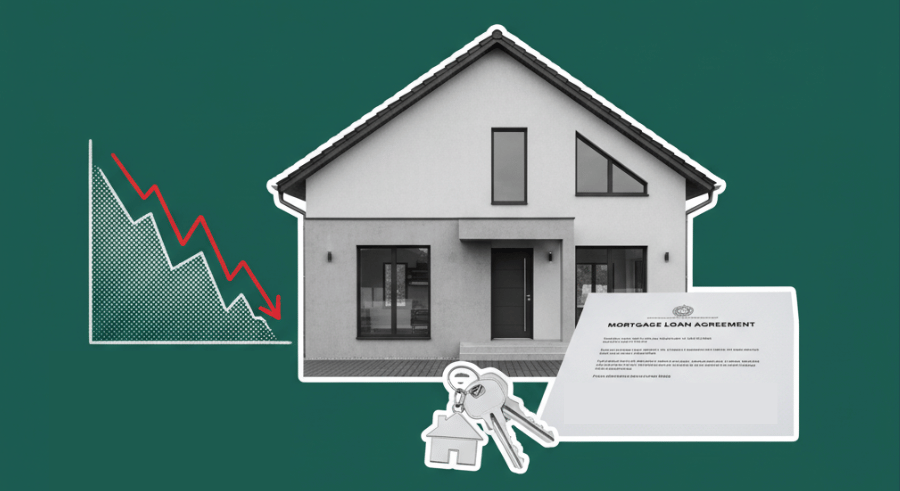
As homeowners step into 2026, many are preparing for one of the least visible—yet most disruptive—financial pressures of the year: rising escrow payments. While mortgage rates and home prices tend to dominate headlines, it’s the behind‑the‑scenes expenses like property taxes and homeowners insurance that may soon strain household budgets the most.
Cotality, a leading real estate analytics firm, revealed in a recent report that states experiencing the steepest increases in taxes and insurance premiums are also seeing notable spikes in mortgage delinquencies. This trend is most pronounced across the South and Midwest, where escrow jumps are outpacing income growth—placing many families in a precarious position.
Why This Matters
Housing costs have been steadily climbing since the pandemic sparked inventory shortages and pushed prices into uncharted territory. Nonmortgage expenses—property taxes, insurance, utilities—rose nearly 30 percent in 2025 alone. Homeowners in weather‑sensitive states such as Florida continue to experience even sharper escalations.
When these costs surge, lenders adjust escrow requirements accordingly—meaning even homeowners with fixed mortgage rates can still face rising monthly payments.
What You Need to Know
The national delinquency rate edged from 2.9 percent in mid‑2025 to 3 percent by September, according to Cotality. Serious delinquencies also inched upward, a sign that once homeowners fall behind, catching up is becoming increasingly difficult.
Metro‑level data paints an even more tense picture. While fewer cities are seeing broad delinquency increases, the number experiencing rising foreclosure rates jumped dramatically—from 8 percent to 39 percent within a year.
In September, 174 metro areas posted annual rises in serious delinquencies—with standout increases in San Angelo and Odessa, Texas; Lakeland‑Winter Haven and Cape Coral‑Fort Myers, Florida; and Lima, Ohio.
Nationwide, homeowners are now contributing an average of 45 percent more into escrow accounts than they were five years ago. States leading the surge include Colorado (77%), Florida (70%), Wyoming, South Dakota, Montana, Louisiana, Alabama, Georgia, North Carolina, and Indiana.
Industry Voices
Archana Pradhan, Principal Economist at Cotality, warns that escalating escrow payments could deter potential buyers and delay their path to homeownership.
Joel Berner, Senior Economist at Realtor.com, adds that in certain states, escrow increases alone may push aspiring homeowners entirely out of reach of the market.
What’s Ahead for 2026
Housing affordability was already a central concern during the 2024 election cycle. Now, discussions continue about whether the Trump administration may declare a national housing emergency.
Experts predict that even with wages rising faster than home prices, affordability will remain strained throughout 2026—especially for homeowners dealing with rapidly increasing escrow contributions.
For both new and seasoned real estate professionals—especially those in high‑impact states such as Florida—understanding the full cost of homeownership is essential. Educational platforms like Cameron Academy continue providing licensing programs and advanced training designed to help professionals navigate today’s complex and volatile housing landscape.
As hidden housing costs rise, one truth becomes increasingly clear: knowledge is one of the most powerful assets a homeowner—or future real estate professional—can possess.
More Articles
Getting licensed or staying ahead in your career can be a journey—but it doesn’t have to be overwhelming. Grab your favorite coffee or tea, take a moment to relax, and browse through our articles. Whether you’re just starting out or renewing your expertise, we’ve got tips, insights, and advice to keep you moving forward. Here’s to your success—one sip and one step at a time!
Tokenization has surged from crypto niche to global financial disruptor as institutions like Robinhood, BlackRock, and Coinbase race to digitize real-world assets. With pro‑crypto political momentum, shifting regulations, and private companies resisting newfound transparency, this emerging wave is transforming how investments are bought, sold, and accessed. For professionals in real estate, finance, lending, and insurance, this shift signals massive opportunity—and equally massive responsibility—as the next era of asset ownership takes shape.
Florida homeowners are finally getting relief as Citizens Property Insurance announces an average 8.7% statewide rate reduction for 2026, with South Florida seeing cuts as high as 14%. Driven by recent tort reforms and a stabilizing market, these decreases signal a major turnaround for an industry once on the brink of collapse — and a potential boost for real estate activity across the state.
After years of roller‑coaster chaos, the 2026 U.S. housing market is easing into something professionals haven’t seen in a long time: balance. Inventory growth has slowed to just 10% year over year—down sharply from 2025’s surge—signaling the end of the pandemic‑era scarcity and the rise of a market driven by real‑time demand and interest rates. With seasonal patterns returning, negotiations replacing bidding wars and rates drifting toward 6%, agents, lenders and investors are finally navigating conditions that look… normal.
More than half of Gen Z investors say they entered the stock market because of social media—not textbooks, not advisors. Viral creators, AI tools, and crypto trends are reshaping how young adults learn about money, invest early, and chase financial freedom. This Fortune‑featured shift highlights a generation determined to build wealth fast, trust digital voices over traditional institutions, and redefine financial education for the future.
After years of extremes, the U.S. housing market is shifting into a more balanced, predictable phase. Inventory growth has cooled from last year’s surge, seasonality is returning, and pricing is becoming increasingly rate‑sensitive. With mortgage rates hovering near 6% and policy changes reshaping investor participation, 2026 is emerging as a negotiation‑driven market where skilled agents, lenders, builders, and investors have a renewed advantage. This new landscape rewards strategy, education, and real‑time demand awareness—making it an ideal moment for professionals to refine their approach and capitalize on the market’s normalization.
A sudden policy shift at the start of 2026 is already pushing mortgage rates lower, dipping them under 6% for the first time in months. New projections suggest the government-sponsored enterprises’ $200 billion in mortgage‑backed securities purchases could accelerate rate declines throughout the year, boosting affordability, home sales, and overall market activity for buyers, sellers, and real estate professionals alike.