Housing Market Predictions for 2026: Will Home Prices Finally Drop?
The U.S. housing market continues its slow march toward balance as 2025 winds down. Buyers are gaining a little more breathing room thanks to moderating home prices, rising inventory, and slightly friendlier mortgage rates. Still, many remain cautious—waiting to see what 2026 will bring.
According to experts featured in the full report from Forbes Advisor, the big picture is clear: expect gradual price growth, relatively stable rates, and the most buyer-friendly conditions in markets with rising supply and strong local economies.
Fed Cuts Rates Again: Will Mortgage Rates Ease?
The Federal Reserve delivered its third rate cut of the year, dropping the benchmark rate to its lowest point since 2022. Mortgage rates, while not directly tied to the federal funds rate, tend to follow its overall trend.
Fed Chair Jerome Powell noted that inflation data remains limited but steady, keeping expectations for stable economic conditions heading into 2026.
The 2026 Housing Market Forecast
National home price growth slowed to just 1.3% annually in October 2025—one of the softest readings in years.
Regional highlights:
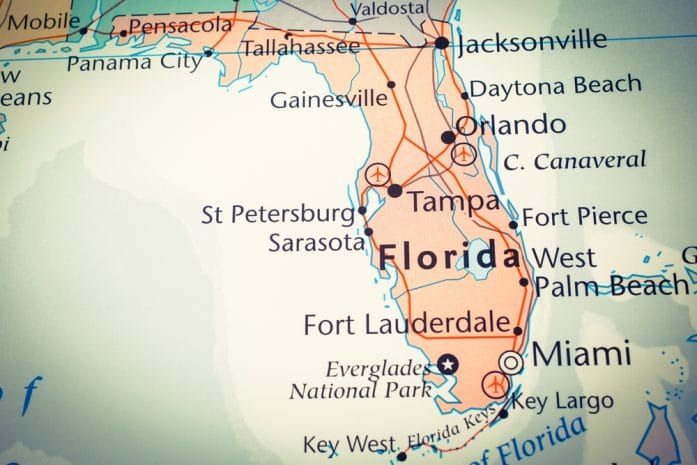
Miami, Tampa, and Phoenix: experiencing price declines
Chicago, Cleveland, NYC: showing modest gains
Most analysts expect 1% to 2% national growth in 2026—not a crash, but not a return to pandemic-era surges either.
Will the Housing Market Crash?
Short answer: Highly unlikely.
Inventory is still below pre-pandemic levels, and homeowners continue to hold strong equity positions. Even with cooling prices in some markets, there is no clear trigger for a widespread collapse.
“The record low supply of houses on the market protects against a market crash.” — Tom Hutchens, Angel Oak Mortgage Solutions
When Will the Market Fully Recover?
A meaningful recovery depends on two major shifts:
More homes hitting the market
Mortgage rates falling into the upper‑5% range
Both could happen in 2026—but the pace will vary regionally.
How Today’s Payments Compare to Last Year
The Forbes Advisor mortgage calculator shows a clear benefit to 2025 buyers. With rates lower than in 2024, a typical buyer saves $106 per month and over $38,000 in lifetime interest.
Existing & Pending Home Sales: What the Numbers Show
Existing-home sales ticked up 1.2% in October 2025, reaching 4.1 million transactions. Pending sales also climbed 1.9%, particularly in the Midwest and South where affordability remains stronger.
NAR’s Lawrence Yun notes that seasonal slowdowns may offer buyers more negotiating power during winter months.
Housing Inventory Outlook
Inventory is rising in several key markets, including Austin, San Antonio, and Tampa—areas that overheated during the pandemic. Meanwhile, markets like Buffalo, Cleveland, and Pittsburgh continue facing tight supply.
If mortgage rates drop significantly, expect inventory to tighten again as demand surges.
Should You Wait to Buy?
“The best time for buyers is when they find a home they like, can afford, and fits their family’s needs.” — Orphe Divounguy, Zillow Home Loans
Trying to perfectly time the market rarely works. Rising prices, shifting inventory, and uncertain rates make preparation more important than prediction.
Pro Tip: If you’re building a long‑term real estate career, staying informed is just as important as staying licensed.
Real estate professionals in Florida and beyond trust Cameron Academy for licensing, continuing education, and professional development.
Pro Tips for Buyers
Know your true budget—monthly payments matter more than listing prices.
Be flexible with size, features, and location.
Study local inventory trends and days on market.
Stay patient and avoid stretching beyond your means.
Pro Tips for Sellers
Research comparable properties and price competitively.
Ensure the home looks its best—online curb appeal matters.
Work with a knowledgeable local agent.
Fix known issues before listing to avoid buyer objections.
FAQs
Will lower mortgage rates push prices up?
Yes. Lower rates increase demand, which pressures prices upward—especially in tight markets.
What happens if the market crashes?
Home values fall, foreclosures rise, and inventory balloons. However, experts agree a 2026 crash is highly unlikely.
Is it smart to buy real estate before a recession?
For long-term homeowners: usually yes. For short-term investors: more risky.
Final Thoughts
The 2026 housing market won’t look like the frenzy of 2021 nor the tight freeze of 2023–2024. Instead, buyers and sellers should expect a slow return toward balance—with opportunities strongest in markets gaining inventory.
And if you’re working toward becoming a real estate professional—or expanding your credentials—now is an excellent time to strengthen your expertise. Visit Cameron Academy for real estate, mortgage, insurance, and professional licensing across the nation.
More Articles
Getting licensed or staying ahead in your career can be a journey—but it doesn’t have to be overwhelming. Grab your favorite coffee or tea, take a moment to relax, and browse through our articles. Whether you’re just starting out or renewing your expertise, we’ve got tips, insights, and advice to keep you moving forward. Here’s to your success—one sip and one step at a time!
Long Island’s commercial real estate market just smashed every previous record, hitting an unprecedented $4.1 billion in 2025 deal volume—up a massive 71.5 percent from the year before. A surge in specialty-use properties like assisted living centers and self-storage facilities fueled the boom, alongside hundreds of new transactions across Nassau and Suffolk counties. With investor confidence rebounding, interest rates easing, and new buyer profiles entering the scene, the region has become one of the hottest real estate markets to watch.
Federal cuts to housing oversight in 2026 are creating a nationwide regulatory scramble, with states—especially California—rapidly stepping in to fill the gap. As the CFPB reduces its enforcement role, lawmakers and agencies across the country are crafting their own rules on mortgage compliance, consumer protection, affordability, and even AI‑driven underwriting. For real estate, mortgage, and finance professionals, the message is clear: state regulations are becoming just as influential as federal policy, making ongoing education and compliance awareness more critical than ever.
The insurance industry poured an eye‑opening $172 million into federal lobbying in 2025, making it the fourth‑largest lobbying sector in the country. Medical insurers led the spending, but property and casualty giants weren’t far behind, with APCIA, Nationwide, Liberty Mutual, and Allstate all landing among the top contributors. And this is only federal spending—state‑level influence, where regulations are truly shaped, remains vastly underreported. For professionals in insurance, real estate, and finance, these lobbying efforts play a powerful role in shaping regulations, costs, and the competitive landscape.
Florida’s home insurance market saw a 3.35% non-renewal rate last year—a small percentage that translated into hundreds of thousands of homeowners suddenly losing coverage. Driven by repeated storm damage, soaring construction costs, heavy litigation, and insurers pulling back from high-risk areas, the state’s insurance landscape is rapidly shifting. Homeowners now face higher premiums, fewer options, and tougher underwriting, while professionals in real estate, mortgage, and insurance must stay informed to guide clients through a tightening market.
Florida’s recent tort reforms are doing far more than reshaping the state’s legal system—they’re driving down property and casualty insurance costs by an average of 14.5% and injecting over $4.2 billion into the state’s economy each year. With nearly 30,000 jobs supported and state and local governments seeing hundreds of millions in new tax revenue, the changes are already transforming Florida’s insurance market. Lawsuits have dropped, insurers are returning, and businesses and homeowners alike are reaping the benefits of a more balanced, competitive, and financially resilient environment.
Major commercial real estate firms are reporting strong revenue and renewed market activity, signaling a rebound in dealmaking and office demand. Yet even with record earnings, CEOs from CBRE, Colliers, and Marcus & Millichap spent much of their earnings calls addressing a growing concern: whether artificial intelligence could threaten traditional brokerage and valuation roles. While leaders insist that complex transactions still rely on human relationships and negotiation, AI‑related market jitters briefly pushed some CRE stocks down before they recovered.