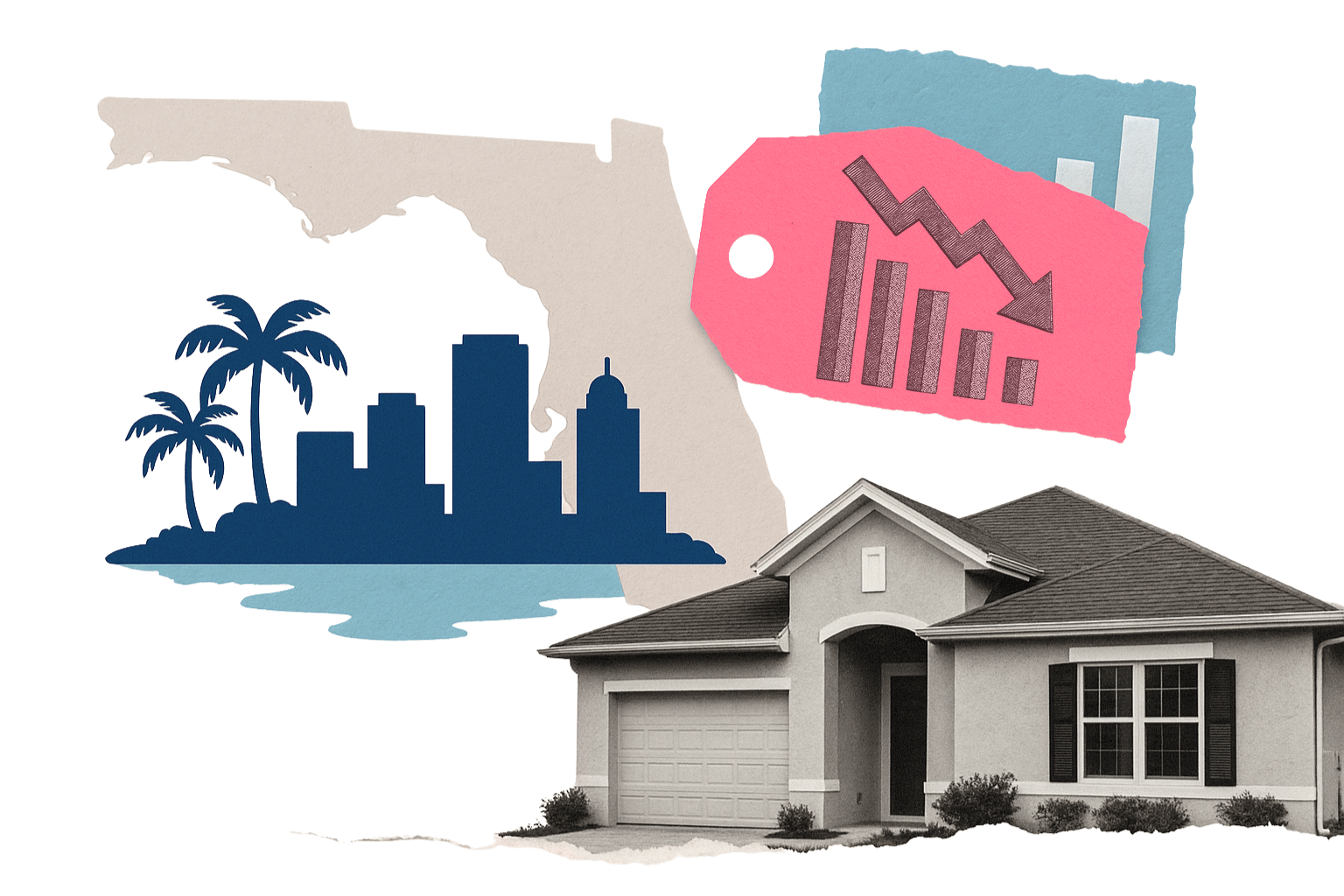
Housing Market Predictions for 2026: Will Home Prices Finally Drop?
The U.S. housing market continues its slow march toward balance as 2025 winds down. Buyers are gaining a little more breathing room thanks to moderating home prices, rising inventory, and slightly friendlier mortgage rates. Still, many remain cautious—waiting to see what 2026 will bring.
According to experts featured in the full report from Forbes Advisor, the big picture is clear: expect gradual price growth, relatively stable rates, and the most buyer-friendly conditions in markets with rising supply and strong local economies.
Fed Cuts Rates Again: Will Mortgage Rates Ease?
The Federal Reserve delivered its third rate cut of the year, dropping the benchmark rate to its lowest point since 2022. Mortgage rates, while not directly tied to the federal funds rate, tend to follow its overall trend.
Fed Chair Jerome Powell noted that inflation data remains limited but steady, keeping expectations for stable economic conditions heading into 2026.
The 2026 Housing Market Forecast
National home price growth slowed to just 1.3% annually in October 2025—one of the softest readings in years.
Regional highlights:
Miami, Tampa, and Phoenix: experiencing price declines
Chicago, Cleveland, NYC: showing modest gains
Most analysts expect 1% to 2% national growth in 2026—not a crash, but not a return to pandemic-era surges either.
Will the Housing Market Crash?
Short answer: Highly unlikely.
Inventory is still below pre-pandemic levels, and homeowners continue to hold strong equity positions. Even with cooling prices in some markets, there is no clear trigger for a widespread collapse.
“The record low supply of houses on the market protects against a market crash.” — Tom Hutchens, Angel Oak Mortgage Solutions
When Will the Market Fully Recover?
A meaningful recovery depends on two major shifts:
More homes hitting the market
Mortgage rates falling into the upper‑5% range
Both could happen in 2026—but the pace will vary regionally.
How Today’s Payments Compare to Last Year
The Forbes Advisor mortgage calculator shows a clear benefit to 2025 buyers. With rates lower than in 2024, a typical buyer saves $106 per month and over $38,000 in lifetime interest.
Existing & Pending Home Sales: What the Numbers Show
Existing-home sales ticked up 1.2% in October 2025, reaching 4.1 million transactions. Pending sales also climbed 1.9%, particularly in the Midwest and South where affordability remains stronger.
NAR’s Lawrence Yun notes that seasonal slowdowns may offer buyers more negotiating power during winter months.
Housing Inventory Outlook
Inventory is rising in several key markets, including Austin, San Antonio, and Tampa—areas that overheated during the pandemic. Meanwhile, markets like Buffalo, Cleveland, and Pittsburgh continue facing tight supply.
If mortgage rates drop significantly, expect inventory to tighten again as demand surges.
Should You Wait to Buy?
“The best time for buyers is when they find a home they like, can afford, and fits their family’s needs.” — Orphe Divounguy, Zillow Home Loans
Trying to perfectly time the market rarely works. Rising prices, shifting inventory, and uncertain rates make preparation more important than prediction.
Pro Tip: If you’re building a long‑term real estate career, staying informed is just as important as staying licensed.
Real estate professionals in Florida and beyond trust Cameron Academy for licensing, continuing education, and professional development.
Pro Tips for Buyers
Know your true budget—monthly payments matter more than listing prices.
Be flexible with size, features, and location.
Study local inventory trends and days on market.
Stay patient and avoid stretching beyond your means.
Pro Tips for Sellers
Research comparable properties and price competitively.
Ensure the home looks its best—online curb appeal matters.
Work with a knowledgeable local agent.
Fix known issues before listing to avoid buyer objections.
FAQs
Will lower mortgage rates push prices up?
Yes. Lower rates increase demand, which pressures prices upward—especially in tight markets.
What happens if the market crashes?
Home values fall, foreclosures rise, and inventory balloons. However, experts agree a 2026 crash is highly unlikely.
Is it smart to buy real estate before a recession?
For long-term homeowners: usually yes. For short-term investors: more risky.
Final Thoughts
The 2026 housing market won’t look like the frenzy of 2021 nor the tight freeze of 2023–2024. Instead, buyers and sellers should expect a slow return toward balance—with opportunities strongest in markets gaining inventory.
And if you’re working toward becoming a real estate professional—or expanding your credentials—now is an excellent time to strengthen your expertise. Visit Cameron Academy for real estate, mortgage, insurance, and professional licensing across the nation.
More Articles
Getting licensed or staying ahead in your career can be a journey—but it doesn’t have to be overwhelming. Grab your favorite coffee or tea, take a moment to relax, and browse through our articles. Whether you’re just starting out or renewing your expertise, we’ve got tips, insights, and advice to keep you moving forward. Here’s to your success—one sip and one step at a time!
Fort Myers Beach is becoming the front line of a new Florida—one shaped by hurricane devastation, soaring insurance premiums, and rapid gentrification. Three years after Hurricane Ian, residents are still battling massive rebuilding costs and insurance bills that now exceed $5,700 a year on average, with flood insurance reaching $10,000 for some families. Long-time locals, small businesses, and service workers are being priced out as wealthy investors move in, transforming once-affordable coastal communities. Real estate professionals warn that foreclosures may rise if economic pressures continue, signaling a pivotal moment for Florida’s housing market and the professionals who serve it.
Economic uncertainty, AI disruption, slowing population growth, and rising portfolio risk are reshaping commercial real estate heading into 2026. A new report unveiled at NAR NXT highlights the forces that will reward informed professionals — and challenge those who aren’t prepared. From fiscal policy and shifting capital flows to tech transformation and housing shortages, the landscape is evolving fast. Cameron Academy breaks down the key issues so real estate, mortgage, finance, and insurance professionals can stay ahead of the curve.
A sudden federal shutdown of FEMA’s BRIC resiliency program has left cities and commercial property owners scrambling, exposing billions in real estate to rising climate threats. With nearly a billion dollars in mitigation funding clawed back and extreme weather intensifying, insurance premiums are expected to surge and coverage may shrink — placing new pressure on markets like Florida and New York.
A new Florida Senate bill aims to stop cities and counties from blocking residential developments over vague “compatibility” concerns. Supporters say the measure would speed up homebuilding and ease housing shortages, while opponents argue it strips communities of essential oversight and could accelerate growth without proper planning. The proposal could reshape development timelines and land-use decisions statewide, making it a major issue for real estate professionals to watch.
Cape Coral–Fort Myers has officially moved into buyer-friendly territory, with homes now sitting a median 119 days on the market—far longer than both the Florida and U.S. averages. Rising inventory, a 36.9 percent price‑reduction rate, and slower absorption compared to accumulated supply are giving buyers more leverage and time to negotiate, signaling a meaningful reset in this once‑fast‑moving Florida market.
Kansas City’s commercial real estate sector is finally turning a corner after several years of sluggish activity. Retail is leading the rebound, while multifamily and industrial properties are gaining traction as pricing stabilizes and buyer confidence returns. A standout 2025 transaction—the sale of the 380‑unit Cyan Southcreek community—signals that capital is flowing back into the market. With bid‑ask spreads tightening and investor optimism rising, Kansas City is entering a period of renewed opportunity for real estate professionals and investors alike.


 Florida’s Middle Class Is Being Squeezed Out: Insurance Costs, Rebuilding Struggles, and a Changing Coastline Gallery