How AI and Augmented Reality Are Reshaping Luxury Real Estate
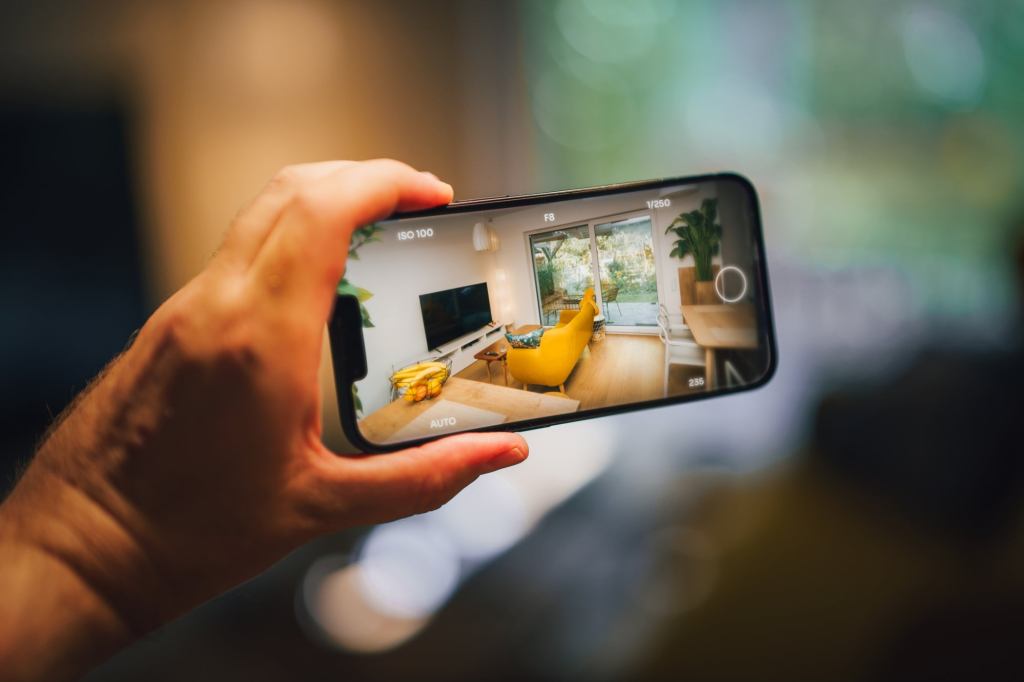
Luxury home living room with smartphone ar overlay

Luxury real estate is undergoing a transformation unlike anything the industry has experienced before. The days of relying exclusively on personal networks and handshakes are giving way to a high-tech era powered by artificial intelligence, augmented reality and immersive data-driven experiences. And according to Entrepreneur, this shift is fueling more than $1 billion in sales for forward‑thinking firms.

Why AI Is Becoming the New Competitive Edge

In premium markets, the winners aren’t the ones who shout loudest — they’re the ones who see opportunity first. AI-driven insights now allow luxury brokers to identify properties likely to hit the market months ahead, helping them reach high‑value sellers before the competition even knows they exist.

One standout example is America One Luxury Real Estate, where predictive AI tools and cinematic digital media helped propel the company past the $1 billion sales mark. Their custom Equity Propensity Model can anticipate which homes will list within twelve months — a monumental advantage in a market where early access defines success.

A New Era of Immersive Buying

Modern luxury buyers want to experience a property long before they step foot inside. With 77% of high-end clients requesting virtual tours before touring in person, top-tier agents are embracing AR walkthroughs, digital staging and lifestyle simulations that vividly show how a property feels, lives and moves.

This isn’t tech for spectacle — it’s clarity. The more vivid the experience, the faster trust forms.

Try It Yourself: Imagine a buyer standing in their living room, pointing a smartphone toward a blank wall and instantly seeing a fully furnished luxury condo from Paradise Valley materialize in perfect scale. That future is already here — and accelerating.

The Shift From Persuasion to Alignment

Affluent clients aren’t searching for hype — they want precision and purpose. They want data-backed storytelling that clarifies how a property aligns with their identity, lifestyle and long‑term investment strategy. Today’s top luxury agents merge analytics with emotional intelligence to craft narratives that resonate on a deeper level.

Local Expertise, Global Reach

Leading luxury firms are scaling globally through curated partnerships and brand ecosystems. This hybrid approach blends local knowledge with global opportunity — allowing firms to expand influence without sacrificing authenticity.

What Today’s Real Estate Pros Should Do Next

  • Design for decision-making, not discovery. Immersive experiences shorten the buyer’s clarity curve.
  • Leverage AI for early insights. The advantage lies not in automation, but in anticipation.
  • Craft identity-aligned narratives. Luxury clients value relevance over volume.
  • Prioritize depth before reach. Mastery and expertise come before expansion.

A Moment of Opportunity

The rise of AI, AR and predictive intelligence is reshaping not only luxury real estate transactions, but also the professional landscape itself. Whether you’re in real estate, mortgage, insurance, finance or another specialized field, staying current with evolving technology is essential for long‑term success.

That’s where education leaders like Cameron Academy come in. From aspiring agents seeking licensure to established professionals expanding their credentials, the right training empowers you to stay competitive in a fast‑changing economy.

The firms thriving today aren’t clinging to outdated traditions — they’re embracing intelligent systems that enhance human expertise. The future belongs to those who can anticipate what’s coming next, and thanks to new technology, that future has never been clearer.


More Articles

Getting licensed or staying ahead in your career can be a journey—but it doesn’t have to be overwhelming. Grab your favorite coffee or tea, take a moment to relax, and browse through our articles. Whether you’re just starting out or renewing your expertise, we’ve got tips, insights, and advice to keep you moving forward. Here’s to your success—one sip and one step at a time!

Commercial Real Estate 2026: A Stabilizing Market Finally Finds Its Rhythm

After a turbulent 2025 marked by stalled construction, tight capital, and economic uncertainty, commercial real estate is finally entering a period of stabilization and early recovery. Analysts across Colliers, Cushman & Wakefield, CoStar, KBW, and Deloitte agree that 2026 brings a “new equilibrium,” with capital markets waking up, vacancies peaking, and investment activity returning. Office, industrial, retail, multifamily, and data center sectors each tell a different story—some recovering, some booming, some transforming—but all show signs of renewed momentum. For investors and professionals, 2026 offers cautious yet promising opportunities as the industry regains its footing.

Five New Florida Laws Every Professional Should Know in 2026

Florida kicked off the new year with five impactful laws now in effect, influencing healthcare, insurance, animal welfare, and government employees statewide. From faster medical refund requirements to new pet‑insurance transparency rules and expanded benefits for state workers, these updates are already reshaping daily life and professional practices. Whether you work in real estate, insurance, healthcare, or any state‑licensed field, staying informed on these changes is essential as regulations continue to shift rapidly across Florida.

Commercial Real Estate in 2026 Shows Clear Signs of Stabilization and Recovery

The commercial real estate market is entering 2026 with renewed momentum and long‑awaited signs of stability. Major research firms report a “new equilibrium” forming across asset classes, supported by lower interest rates, easing lending conditions, and returning investor confidence. Office vacancies are projected to improve, industrial demand remains strong despite reduced construction, and data centers continue to dominate growth. With capital markets reawakening and REITs poised for a potential breakout year, professionals who stay informed and expand their skill sets could find 2026 filled with fresh opportunity.

Mortgage Rates Drop to 15‑Month Low as 2026 Housing Market Shows Signs of Thawing

Mortgage rates have fallen to their lowest point since 2024, giving homebuyers a much‑needed break as 2026 begins. The average 30‑year fixed rate now sits near 6.12% to 6.15%, driven by multiple Fed rate cuts and cooling economic signals. While lower rates are boosting buyer optimism, tight inventory and the lingering lock‑in effect continue to challenge the market. This shift may open a key opportunity window for buyers— and for real estate and mortgage professionals looking to stay ahead of rapid industry changes.

Florida’s Great Tax Shake-Up: The 2026 Property Tax Overhaul That Could Reshape Homeownership

Florida is gearing up for what could be its biggest property tax transformation in decades. With state leaders, including Gov. Ron DeSantis, exploring ways to reduce or even eliminate property taxes as early as 2026, homeowners and real estate professionals are bracing for major changes. While supporters argue that Florida can cut back the nearly $60 billion in annual property tax revenue without harming essential services, local officials warn the move could jeopardize police, fire, EMS, and community programs. As the debate intensifies heading into the 2026 legislative session, the future of Florida’s housing affordability and municipal funding hangs in the balance.

New Florida Laws Taking Effect January 1: Key 2026 Updates Every Professional Should Know

Florida is starting 2026 with a slate of major new laws impacting health care, insurance, real estate, consumer protection, and public safety. From free breast‑cancer diagnostic exams for state employees to new transparency rules for condo associations and stricter regulations on pet insurance, these changes will influence professionals across multiple industries. Whether you work in real estate, insurance, health services, or public policy, understanding these updates will help you stay compliant and ahead of Florida’s fast‑evolving regulatory landscape.