How AI and Augmented Reality Are Reshaping Luxury Real Estate
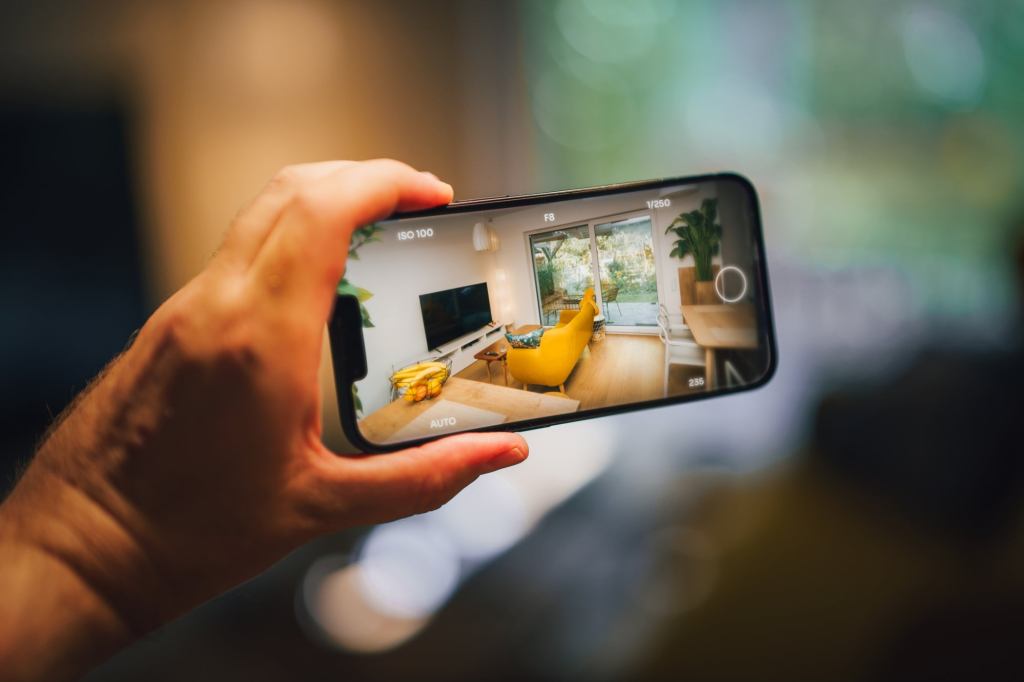
Luxury home living room with smartphone ar overlay

Luxury real estate is undergoing a transformation unlike anything the industry has experienced before. The days of relying exclusively on personal networks and handshakes are giving way to a high-tech era powered by artificial intelligence, augmented reality and immersive data-driven experiences. And according to Entrepreneur, this shift is fueling more than $1 billion in sales for forward‑thinking firms.

Why AI Is Becoming the New Competitive Edge

In premium markets, the winners aren’t the ones who shout loudest — they’re the ones who see opportunity first. AI-driven insights now allow luxury brokers to identify properties likely to hit the market months ahead, helping them reach high‑value sellers before the competition even knows they exist.

One standout example is America One Luxury Real Estate, where predictive AI tools and cinematic digital media helped propel the company past the $1 billion sales mark. Their custom Equity Propensity Model can anticipate which homes will list within twelve months — a monumental advantage in a market where early access defines success.

A New Era of Immersive Buying

Modern luxury buyers want to experience a property long before they step foot inside. With 77% of high-end clients requesting virtual tours before touring in person, top-tier agents are embracing AR walkthroughs, digital staging and lifestyle simulations that vividly show how a property feels, lives and moves.

This isn’t tech for spectacle — it’s clarity. The more vivid the experience, the faster trust forms.

Try It Yourself: Imagine a buyer standing in their living room, pointing a smartphone toward a blank wall and instantly seeing a fully furnished luxury condo from Paradise Valley materialize in perfect scale. That future is already here — and accelerating.

The Shift From Persuasion to Alignment

Affluent clients aren’t searching for hype — they want precision and purpose. They want data-backed storytelling that clarifies how a property aligns with their identity, lifestyle and long‑term investment strategy. Today’s top luxury agents merge analytics with emotional intelligence to craft narratives that resonate on a deeper level.

Local Expertise, Global Reach

Leading luxury firms are scaling globally through curated partnerships and brand ecosystems. This hybrid approach blends local knowledge with global opportunity — allowing firms to expand influence without sacrificing authenticity.

What Today’s Real Estate Pros Should Do Next

  • Design for decision-making, not discovery. Immersive experiences shorten the buyer’s clarity curve.
  • Leverage AI for early insights. The advantage lies not in automation, but in anticipation.
  • Craft identity-aligned narratives. Luxury clients value relevance over volume.
  • Prioritize depth before reach. Mastery and expertise come before expansion.

A Moment of Opportunity

The rise of AI, AR and predictive intelligence is reshaping not only luxury real estate transactions, but also the professional landscape itself. Whether you’re in real estate, mortgage, insurance, finance or another specialized field, staying current with evolving technology is essential for long‑term success.

That’s where education leaders like Cameron Academy come in. From aspiring agents seeking licensure to established professionals expanding their credentials, the right training empowers you to stay competitive in a fast‑changing economy.

The firms thriving today aren’t clinging to outdated traditions — they’re embracing intelligent systems that enhance human expertise. The future belongs to those who can anticipate what’s coming next, and thanks to new technology, that future has never been clearer.


More Articles

Getting licensed or staying ahead in your career can be a journey—but it doesn’t have to be overwhelming. Grab your favorite coffee or tea, take a moment to relax, and browse through our articles. Whether you’re just starting out or renewing your expertise, we’ve got tips, insights, and advice to keep you moving forward. Here’s to your success—one sip and one step at a time!

FinCEN’s Nationwide AML Rule Reshapes Title and Real Estate Compliance for 2025–2026

The title and real estate industries are entering their most dramatic compliance overhaul in decades. FinCEN’s new anti‑money‑laundering rule now applies to every state, enforces a first‑dollar reporting requirement, and places full responsibility on settlement agents. With the rule already in effect and mandatory reporting beginning March 1, 2026, professionals face urgent operational changes involving software, training, and entity‑buyer disclosures. Combined with state‑level rate shifts and heightened scrutiny of attorney opinion letters, 2025 marks a turning point that demands stronger compliance literacy across the entire real estate and finance ecosystem.

7 Retirement Trends Shaping 2026: What Professionals Should Know

Retirement planning went through major changes in 2025, from new SECURE Act updates to shifting investment behaviors. As we move into 2026, seven key trends are reshaping how Americans save and build long‑term wealth. These shifts matter not only for everyday investors but also for professionals across real estate, finance, mortgage, insurance, and other licensed fields. Understanding these developments can help you strengthen your own financial strategy while staying competitive in your career.

Florida’s Real Estate Cooldown: Insurance Costs Are Now the Biggest Dealbreaker

Florida’s housing market is cooling faster than any other state, and soaring insurance premiums are the primary force driving buyers away. With cancellation rates in major metros topping 20%, steep price drops across Southwest Florida, rising HOA and condo fees, and thousands of homes added to new flood zones, many buyers are discovering that insurance—not the mortgage—is what kills the deal. As Citizens shrinks and new legislation raises coverage requirements, professionals in real estate, mortgage, and insurance must adapt quickly to a market where affordability hinges on risk, regulation, and rising premiums.

Commercial Real Estate in 2026 Shows Signs of Stabilization and Strategic Growth

Commercial real estate is entering 2026 with renewed optimism as pricing floors, revitalized capital markets, and improved market visibility signal a shift away from the volatility of 2025. Analysts from Deloitte, Colliers, Cushman & Wakefield, and CoStar highlight firmer fundamentals, rising deal flow, and increased lender participation. Key sectors such as office, industrial, retail, multifamily, and data centers are showing distinct recovery patterns, positioning industry professionals and students for new opportunities in the year ahead.

Why Florida Insurance Rates Are Falling but Premiums Keep Climbing

Florida’s property insurance market is finally stabilizing after years of storms, lawsuits, and rising rates — yet many homeowners are still seeing higher bills. The reason isn’t the rates themselves but soaring replacement values driven by inflation in labor and building materials. Even as insurers lower rates, the cost to rebuild a home continues to rise, making up roughly 75% of recent premium increases. With new insurers entering the market and reforms taking effect, homeowners now have more options to shop, recalculate coverage, and control their costs.

Why Microcredentials Will Dominate 2026 Hiring — And How Professionals Can Stay Ahead

The 2026 job market is shifting fast, and the biggest winners will be professionals who can prove they’re continuously learning. With more than 90% of employers now preferring candidates with microcredentials, short targeted certificates are becoming the new career currency. From AI and data skills to modern communication and adaptability, microcredentials are helping workers stand out in a competitive landscape — especially as industries like real estate, mortgage, insurance, and finance demand ongoing upskilling.