How AI is Transforming the Real Estate Landscape


In a world where technology is rapidly reshaping industries, the real estate sector is no exception. Netguru has delved into how artificial intelligence (AI) is revolutionizing property acquisition, sales, and management. This transformation is marked by the integration of predictive analytics, virtual property tours, and enhanced decision-making processes.

AI in Property Valuation and Management
A significant finding from Deloitte’s research reveals that 52% of corporate real estate developers believe AI ensures precise property valuation. This highlights AI’s pivotal role in accurate property assessment and pricing. Moreover, Buildium reports that 48% of property managers plan to boost revenue through tech-driven efficiency.

Proptech Market Growth
AI solutions are central to the rapidly expanding proptech sector. According to a global market report, the proptech market is projected to reach $94.2 billion by 2030, with a compound annual growth rate of 15.8% from 2022 to 2030. In 2021, global investments in proptech companies reached a remarkable $24.3 billion, showcasing a consistent upward trend since 2012.

AI’s Impact on Market Analysis and Sustainability


AI-driven data-powered market analysis is a game-changer for the real estate industry. It empowers rapid evaluation of projects and enhances investment strategies by streamlining approaches and reducing risks. Lennar’s collaboration with Climate Alpha exemplifies this, using AI analytics to identify climate-resilient residential areas in the US.

Moreover, AI technology is pivotal in promoting environmental sustainability. The real estate sector, responsible for 40% of global CO2 emissions, can leverage AI for smart decarbonization strategies and green building technologies. Insights from McKinsey suggest that approximately $7.5 trillion in property value is at risk due to climate-related challenges, underlining the urgency for AI-driven solutions.

Enhanced Property Search and Recommendations
AI-powered platforms are transforming traditional property searches into personalized experiences. These platforms utilize advanced algorithms to learn from user feedback, enhancing suggestions based on past behavior. This results in a more efficient property search process, displaying relevant listings that align with user preferences.

Real estate companies benefit significantly from these technologies. For instance, Realtor.com employs AI algorithms to provide personalized insights and recommendations, ensuring users receive a tailored experience.

Virtual and Augmented Reality in Property Showcasing


Virtual and augmented reality (AR) technologies offer a more convenient approach to property showcasing, saving time for both tenants and managers. Companies like ReimagineHome harness AI, virtual reality, and smart home devices to enhance the homebuying and renting experience, creating a seamless and immersive environment for users.

AI Chatbots and Assistants
AI chatbots and assistants have revolutionized customer service in real estate. These tools provide round-the-clock support, assisting with tasks from answering inquiries to scheduling viewings. Keller Williams introduced Kelle, an AI-powered personal assistant app, to enhance agent experiences and drive sales growth.

Conclusion


The proptech industry continues to advance, promising to transform the real estate landscape by improving accessibility, convenience, and the overall experience for all participants. As AI continues to integrate more deeply into the sector, the potential for innovation and growth is limitless.


More Articles

Getting licensed or staying ahead in your career can be a journey—but it doesn’t have to be overwhelming. Grab your favorite coffee or tea, take a moment to relax, and browse through our articles. Whether you’re just starting out or renewing your expertise, we’ve got tips, insights, and advice to keep you moving forward. Here’s to your success—one sip and one step at a time!

The Great Housing Reset: What Redfin Predicts for 2026

Redfin forecasts a slow but meaningful return to normalcy in the U.S. housing market starting in 2026. Instead of a crash or a rapid correction, the year marks the beginning of a “Great Housing Reset” where affordability gradually improves, mortgage rates ease into the low‑6% range, home sales tick upward, and renters, buyers, and professionals finally feel less market pressure. From wage growth outpacing home prices to rising refi activity and the rise of AI‑powered real estate tools, 2026 is shaping up to be a foundational year for real estate careers and long‑term market stability.

Climate Disasters Are Outpacing Insurance Uptake as the Global Protection Gap Nears Crisis Levels

Hurricane Melissa’s destruction in Jamaica highlights a growing global reality: climate risks are accelerating faster than insurance adoption. With more than 90% of disaster losses in developing regions going uninsured and a worldwide protection gap exceeding $1.8 trillion annually, experts warn that traditional insurance systems can no longer keep up. New models—like parametric payouts, community‑based aggregation and bundled climate tools—are emerging, but governments and corporations must step in to prevent financial shocks from destabilizing entire economies.

AI-Powered Excavators? Gravis Robotics Secures $23M to Tackle Construction’s Growing Labor Crisis

Gravis Robotics, a Zurich-based startup, just raised $23 million to bring autonomous tech to construction sites facing a massive operator shortage. As demand surges for renewable energy projects, data centers, and new housing, Gravis retrofits traditional heavy machinery with AI-driven systems that can work autonomously or via remote guidance. With trials already underway across seven countries, the company is pushing a future where humans and robots collaborate — speeding up development timelines and reshaping industries from construction to real estate.

Zillow Drops Climate Risk Scores—What It Means for Agents, Buyers, and the Future of Real Estate

Zillow has quietly removed its climate‑risk scores after months of pressure from agents, homeowners, and listing services who said the warnings were scaring off buyers. The move has sparked a national debate: Is this a win for real estate sales or a setback for consumer transparency? Critics warn that without clear climate‑risk data, families could be “flying blind” into costly surprises like insurance spikes and flood damage. As climate impacts intensify and disclosure expectations rise, real estate professionals must stay informed—because whether Zillow shows the data or not, the risks aren’t going anywhere.

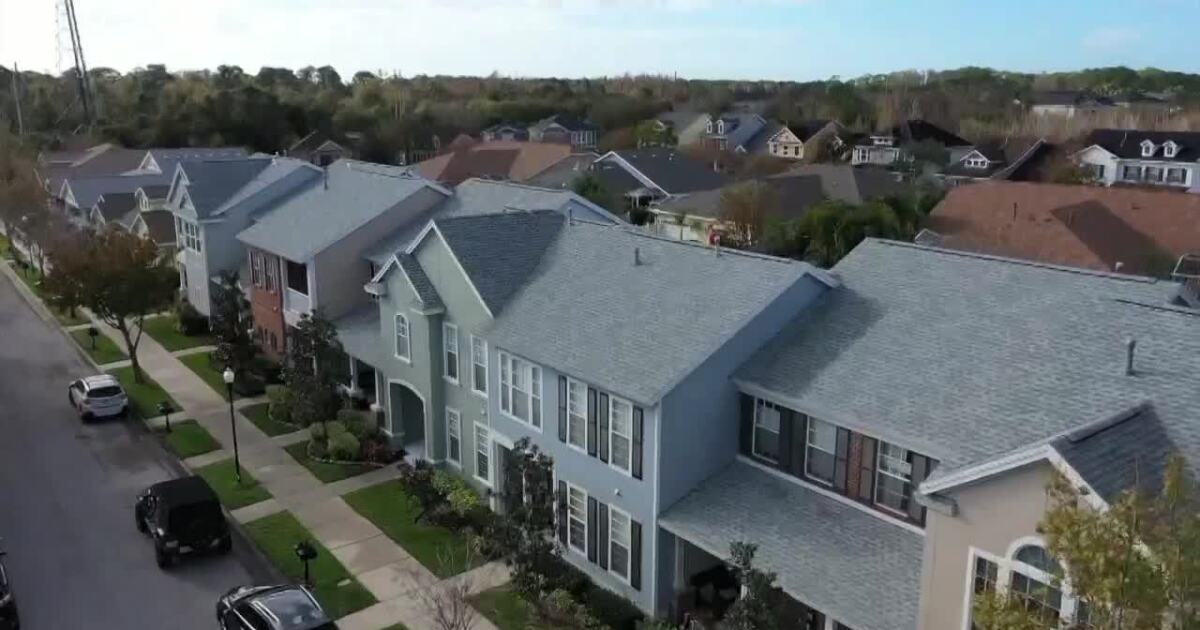
Florida’s Property Insurance Battle Heats Up as 2026 Approaches

Florida’s property insurance crisis is becoming the defining issue heading into the 2026 election season. Republicans argue that recent reforms are finally stabilizing the market, pointing to reduced litigation and cooling reinsurance costs. Democrats counter that families are still facing unbearable premiums, with condo prices dropping over 8% and Floridians paying some of the highest insurance rates in the nation. As lawmakers prepare to return to Tallahassee, the future of insurance reform is set to become the central political fight—one that will directly impact homeowners, investors, and real estate professionals across the state.

The Invisible Backbone Transforming Modern Real Estate

Connectivity has become one of the most powerful differentiators in today’s real estate market. As smart buildings, automation, and sustainability demands accelerate, fiber networks are replacing outdated copper systems and reshaping property value. With lower energy use, unified smart‑building capabilities, reduced long‑term costs, and stronger tenant satisfaction, digital infrastructure is now central to investment strategy. Real estate professionals who understand this shift gain a competitive edge as the industry moves toward cleaner, smarter, more connected buildings.