How AI is Transforming the Real Estate Landscape


In a world where technology is rapidly reshaping industries, the real estate sector is no exception. Netguru has delved into how artificial intelligence (AI) is revolutionizing property acquisition, sales, and management. This transformation is marked by the integration of predictive analytics, virtual property tours, and enhanced decision-making processes.

AI in Property Valuation and Management
A significant finding from Deloitte’s research reveals that 52% of corporate real estate developers believe AI ensures precise property valuation. This highlights AI’s pivotal role in accurate property assessment and pricing. Moreover, Buildium reports that 48% of property managers plan to boost revenue through tech-driven efficiency.

Proptech Market Growth
AI solutions are central to the rapidly expanding proptech sector. According to a global market report, the proptech market is projected to reach $94.2 billion by 2030, with a compound annual growth rate of 15.8% from 2022 to 2030. In 2021, global investments in proptech companies reached a remarkable $24.3 billion, showcasing a consistent upward trend since 2012.

AI’s Impact on Market Analysis and Sustainability


AI-driven data-powered market analysis is a game-changer for the real estate industry. It empowers rapid evaluation of projects and enhances investment strategies by streamlining approaches and reducing risks. Lennar’s collaboration with Climate Alpha exemplifies this, using AI analytics to identify climate-resilient residential areas in the US.

Moreover, AI technology is pivotal in promoting environmental sustainability. The real estate sector, responsible for 40% of global CO2 emissions, can leverage AI for smart decarbonization strategies and green building technologies. Insights from McKinsey suggest that approximately $7.5 trillion in property value is at risk due to climate-related challenges, underlining the urgency for AI-driven solutions.

Enhanced Property Search and Recommendations
AI-powered platforms are transforming traditional property searches into personalized experiences. These platforms utilize advanced algorithms to learn from user feedback, enhancing suggestions based on past behavior. This results in a more efficient property search process, displaying relevant listings that align with user preferences.

Real estate companies benefit significantly from these technologies. For instance, Realtor.com employs AI algorithms to provide personalized insights and recommendations, ensuring users receive a tailored experience.

Virtual and Augmented Reality in Property Showcasing


Virtual and augmented reality (AR) technologies offer a more convenient approach to property showcasing, saving time for both tenants and managers. Companies like ReimagineHome harness AI, virtual reality, and smart home devices to enhance the homebuying and renting experience, creating a seamless and immersive environment for users.

AI Chatbots and Assistants
AI chatbots and assistants have revolutionized customer service in real estate. These tools provide round-the-clock support, assisting with tasks from answering inquiries to scheduling viewings. Keller Williams introduced Kelle, an AI-powered personal assistant app, to enhance agent experiences and drive sales growth.

Conclusion


The proptech industry continues to advance, promising to transform the real estate landscape by improving accessibility, convenience, and the overall experience for all participants. As AI continues to integrate more deeply into the sector, the potential for innovation and growth is limitless.


More Articles

Getting licensed or staying ahead in your career can be a journey—but it doesn’t have to be overwhelming. Grab your favorite coffee or tea, take a moment to relax, and browse through our articles. Whether you’re just starting out or renewing your expertise, we’ve got tips, insights, and advice to keep you moving forward. Here’s to your success—one sip and one step at a time!

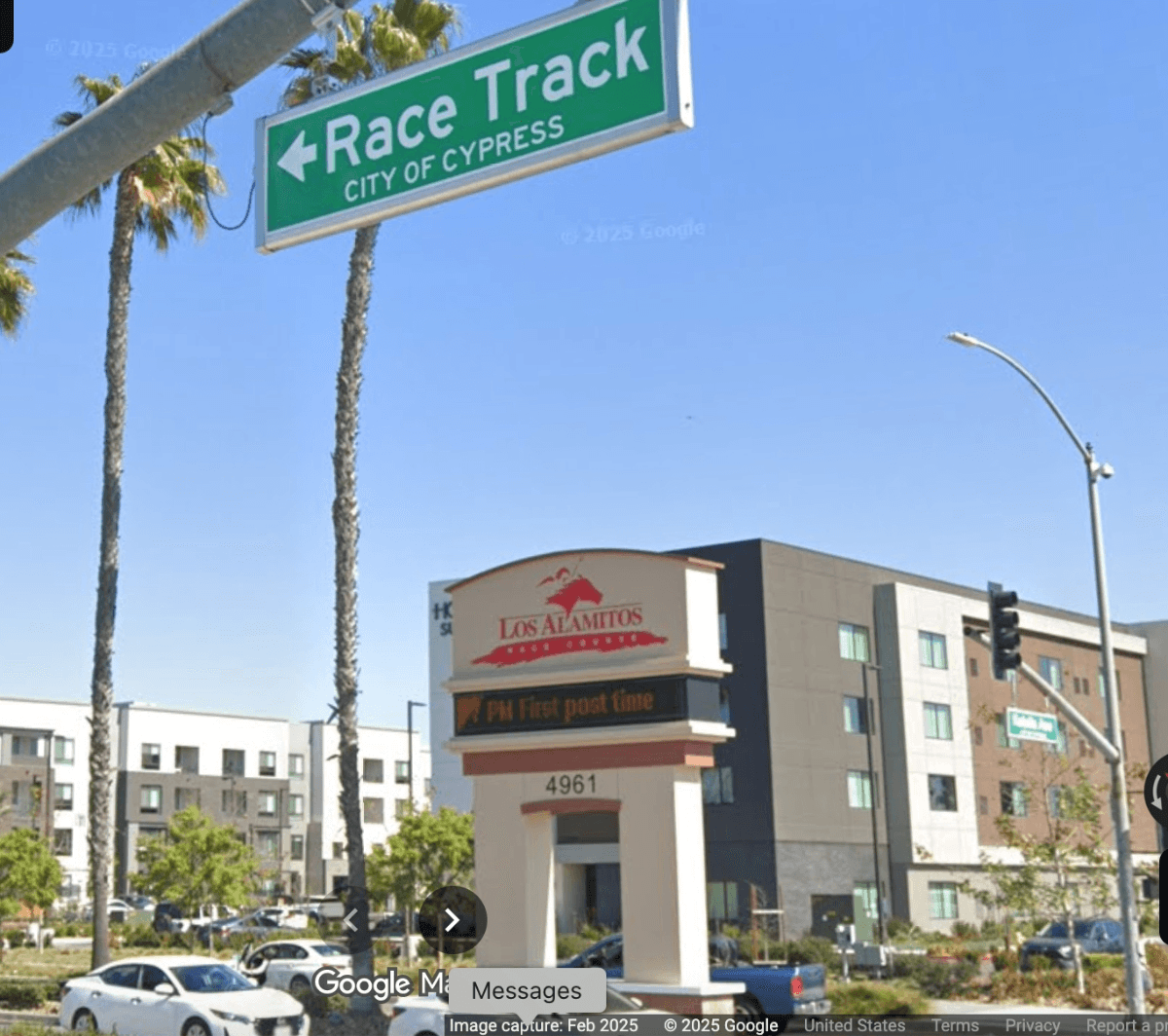
Los Alamitos at a Breaking Point After 18 Racehorse Deaths Spur Emergency Safety Demands

Los Alamitos Race Course is facing its most serious crisis in years after 18 horses died in 2025, prompting regulators to warn the track that its racing license is at risk without immediate safety reforms. Following three catastrophic injuries in a single day, the California Horse Racing Board has ordered urgent changes—including more veterinarians, stricter medication rules, and enhanced on‑track medical support—as pressure mounts for stronger oversight in a sport already under national scrutiny.

Why Canadian Investors Are Flooding U.S. Real Estate Despite Tariffs and Tensions

Canadian investors have poured more than US$5.8 billion into U.S. commercial real estate this year, making the U.S. their top destination even amid a lingering tariff dispute. Tight inventory in Canada and greater deal availability south of the border are driving the trend, with data centers and industrial properties emerging as the hottest targets for 2025.

Florida’s Insurance Chief Warns Homeowners: Most Don’t Understand Their Policies

Florida’s insurance commissioner says even industry pros struggle to read today’s 150‑page homeowners policies—leaving residents shocked when hurricane claims are denied. With rising premiums, high replacement costs, and widespread confusion over exclusions like flood and water damage, the state is pushing for simpler, clearer policy language so homeowners know what they’re actually covered for before the next storm hits.

Post‑Election Power Plays: How Major U.S. Cities Are Quietly Redrawing the Real Estate Map

Following the 2025 elections, major metros like New York, Chicago, Miami, Los Angeles, and Boston are implementing policy shifts that could reshape property values, rental income, development timelines, and investment strategy heading into 2026. From New York’s push toward aggressive rent reform to Chicago’s sustainability mandates and Miami’s uncertain mayoral runoff, these changes signal a new era where local politics increasingly dictate market performance. This breakdown highlights the biggest post‑election real estate pivots and what they mean for investors, agents, and finance professionals preparing for a rapidly evolving landscape.

Florida Insurance Boss Drops a Truth Bomb: Most Homeowners Have No Idea What They’re Actually Covered For

Florida’s Insurance Commissioner is sounding the alarm after thousands of homeowners discovered—only after hurricanes Helene and Milton—that the coverage they thought they had didn’t exist. With nearly 150,000 unpaid claims tied to misunderstood flood exclusions, water‑damage caps, and buried policy clauses, state leaders are pushing to simplify the dense, confusing documents most Floridians never read. As insurance costs remain one of the state’s top concerns, this growing complexity is creating a massive opportunity for real estate, mortgage, and insurance professionals to guide consumers before disaster strikes.

Florida’s Insurance “Fixes” Backfire as Homeowners Face Higher Costs and Riskier Insurers

Florida’s insurance market is reliving an old crisis under a new name. Despite reforms meant to stabilize the system, homeowners are being forced out of Citizens and into pricier policies from small insurers with shaky financial histories. Companies tied to past insolvencies are returning with fresh branding, while highly rated carriers continue to deny a majority of claims. With political influence muddying regulation and climate risks rising, experts warn that only a full structural overhaul—not cosmetic reforms—can restore confidence for homeowners, agents, and the entire real estate market.