How Florida Realtors Quietly Built One of Real Estate’s Most Powerful Tech Ecosystems
Every industry has its hidden giants—the innovators who quietly shape how business gets done while the spotlight is aimed elsewhere. In real estate, one of those giants isn’t a Silicon Valley startup or a venture-backed disruptor. It’s Florida Realtors®, the largest state real estate association in the nation, which has spent the last 25 years building a tech ecosystem used by hundreds of thousands of professionals across North America.
How a Support Desk Became a Tech Powerhouse
It all began with a simple truth: real estate professionals needed better tech support. The early 2000s brought the rise of digital tools, but agents were often left on their own to navigate them. Florida Realtors stepped in and created Tech Helpline, a friendly, Orlando-based support service staffed by analysts with hundreds of years of collective tech experience. Today, agents across the U.S. and Canada rely on it for everything from printer issues to smart-device setup.
This wasn’t meant to be a tech empire. But over the next decade, support evolved into strategy—and strategy into product development.
Form Simplicity: Built for Agents, Not Investors
In 2011, Florida Realtors introduced Form Simplicity, one of the industry’s most respected digital transaction management solutions. Unlike tech platforms developed under pressure from investors or venture capital, Form Simplicity grew from the inside out—built by real estate professionals, shaped by direct member feedback and supported entirely in-house.
It’s a model that has stood the test of time. Stability, transparency and deep product knowledge have kept the system resilient in a fast-shifting tech landscape.
Built-In Beats Bolted-On: The Rise of Sabal Sign
This year, Florida Realtors unveiled Sabal Sign, an e-signature platform engineered to be secure, compliant and fully embedded within Form Simplicity’s Ultimate Edition. Its mobile-friendly interface and real estate-specific workflows make it a standout alternative to more expensive third-party options.
But the most defining feature? It’s built-in, not bolted on. Florida Realtors owns it, supports it and integrates it seamlessly—avoiding the reliability issues that often come with external add-ons.
A Tech Ecosystem Without Outside Stakeholders
While many proptech companies shift direction due to market turbulence or investor demands, Florida Realtors answers only to its members. No outside shareholders. No exit strategy. No pressure to prioritize profit over service. This independence has become a powerful strategic advantage—one that helps keep its tools stable, relevant and accessible.
Partnerships With Purpose
Recently, Florida Realtors launched an innovation fund to back emerging technology partners. These aren’t typical vendor relationships—they’re long-term collaborations focused on safety, brokerage valuation, transaction optimization and member-first innovation.
A Quiet Giant Steps Into Focus
Despite powering daily operations for countless agents and brokerages, Florida Realtors has never relied on hype or marketing spectacle. Its tech ecosystem matured organically over two decades, becoming one of the industry’s most dependable, widely used platforms—often without its users even realizing who built it.
In a real estate landscape dominated by buzzwords and billion-dollar branding, Florida Realtors has proven something refreshing: lasting leadership is built on vision, not volume.
Why This Matters for Real Estate Professionals
For new and seasoned agents alike—including those launching their careers through programs at Cameron Academy—understanding the tools shaping Florida real estate is essential. From contract creation to e-signatures to troubleshooting, these platforms form the digital backbone of today’s transaction workflow.
Students entering the industry today are stepping into a tech environment built for reliability, long-term support and Florida-specific practice—giving them a far smoother start than agents had decades ago.
Getting licensed or staying ahead in your career can be a journey—but it doesn’t have to be overwhelming. Grab your favorite coffee or tea, take a moment to relax, and browse through our articles. Whether you’re just starting out or renewing your expertise, we’ve got tips, insights, and advice to keep you moving forward. Here’s to your success—one sip and one step at a time!
Just 48 hours after NAR unveiled major revisions to its MLS policies, plaintiffs in the Michigan-based Hardy lawsuit moved to use those changes as evidence, arguing they prove NAR’s prior rules were anticompetitive. NAR denies any wrongdoing, but the case is quickly becoming a key test for whether MLS access should require Realtor membership — a question now echoing across multiple states and potentially reshaping how real estate professionals nationwide access the industry’s most essential tool.
Florida homeowners are now paying some of the highest insurance premiums in the country, with average costs topping $5,800 per year—nearly double the national average. Residents report skyrocketing rates, denied claims, and tough choices between costly coverage and financial risk. As frustration grows, lawmakers and consumer advocates are pushing new reforms aimed at increasing transparency, capping rate hikes, and protecting policyholders in one of the nation’s most volatile insurance markets.
Economic uncertainty, rapid AI adoption, tighter capital flows, and rising portfolio risk are reshaping the 2026 commercial real estate landscape. From shifting workforce patterns to a national housing attainability crisis, the industry is entering a data‑driven, fundamentals‑focused era—making adaptability, education, and tech literacy essential for real estate professionals.
Mortgage rates have climbed to 6.23 percent as investors grow doubtful that the Federal Reserve will deliver a rate cut in December. A soft but unclear jobs report and persistent inflation have pushed borrowing costs higher, reversing October’s brief relief in the housing market. Real estate and mortgage professionals should prepare clients for continued volatility as the Fed’s December meeting approaches.
After years of tight inventory, high mortgage rates, and sluggish sales, economists say 2026 is shaping up to be the turnaround real estate professionals have been waiting for. NAR projects a 14 percent jump in home sales, mortgage rates easing toward 6 percent, and buyer demand finally gaining momentum. While higher‑end homes are moving quickly, first‑time buyers continue to face affordability challenges, and price reductions are reappearing as sellers adjust to shifting conditions. For Florida agents, brokers, and newcomers, the stage is being set for a busy and opportunity‑rich year.
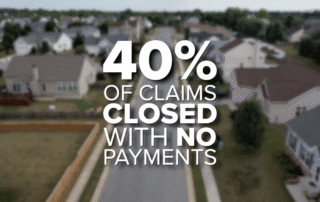
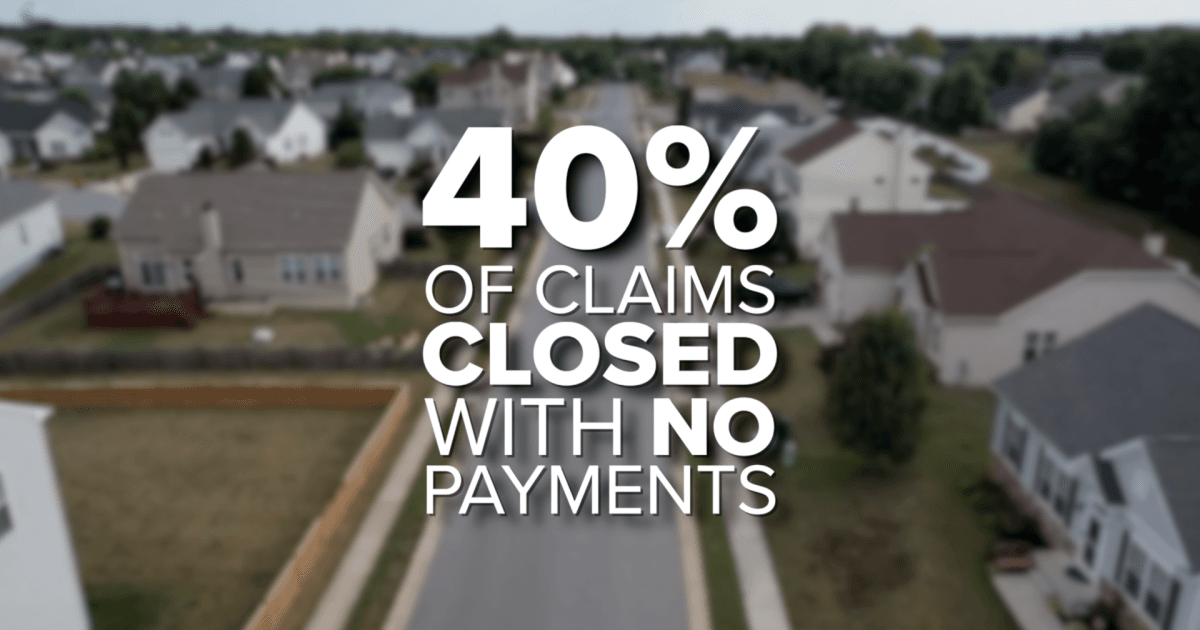
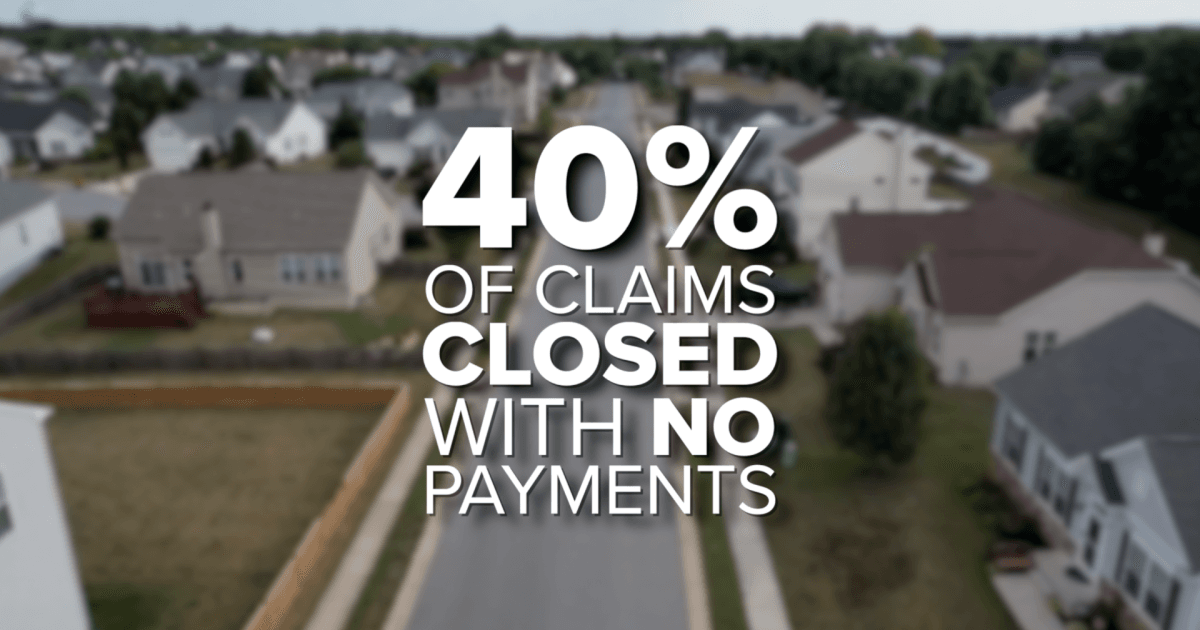
Florida’s average homeowner insurance premium has soared to $5,838 a year—almost $3,000 above the national average—pushing many residents to the financial brink. From tripled premiums to lowball claim payouts, homeowners are speaking out as frustration mounts. Some are even dropping coverage entirely. With more than 40% of claims closed without payment and policy cancellations at record levels, lawmakers are pushing for reforms, but political hurdles remain. The outcome could reshape Florida real estate, insurance, and mortgage markets for years to come.