How Florida Realtors Quietly Built One of Real Estate’s Most Powerful Tech Ecosystems
Every industry has its hidden giants—the innovators who quietly shape how business gets done while the spotlight is aimed elsewhere. In real estate, one of those giants isn’t a Silicon Valley startup or a venture-backed disruptor. It’s Florida Realtors®, the largest state real estate association in the nation, which has spent the last 25 years building a tech ecosystem used by hundreds of thousands of professionals across North America.
How a Support Desk Became a Tech Powerhouse
It all began with a simple truth: real estate professionals needed better tech support. The early 2000s brought the rise of digital tools, but agents were often left on their own to navigate them. Florida Realtors stepped in and created Tech Helpline, a friendly, Orlando-based support service staffed by analysts with hundreds of years of collective tech experience. Today, agents across the U.S. and Canada rely on it for everything from printer issues to smart-device setup.
This wasn’t meant to be a tech empire. But over the next decade, support evolved into strategy—and strategy into product development.
Form Simplicity: Built for Agents, Not Investors
In 2011, Florida Realtors introduced Form Simplicity, one of the industry’s most respected digital transaction management solutions. Unlike tech platforms developed under pressure from investors or venture capital, Form Simplicity grew from the inside out—built by real estate professionals, shaped by direct member feedback and supported entirely in-house.
It’s a model that has stood the test of time. Stability, transparency and deep product knowledge have kept the system resilient in a fast-shifting tech landscape.
Built-In Beats Bolted-On: The Rise of Sabal Sign
This year, Florida Realtors unveiled Sabal Sign, an e-signature platform engineered to be secure, compliant and fully embedded within Form Simplicity’s Ultimate Edition. Its mobile-friendly interface and real estate-specific workflows make it a standout alternative to more expensive third-party options.
But the most defining feature? It’s built-in, not bolted on. Florida Realtors owns it, supports it and integrates it seamlessly—avoiding the reliability issues that often come with external add-ons.
A Tech Ecosystem Without Outside Stakeholders
While many proptech companies shift direction due to market turbulence or investor demands, Florida Realtors answers only to its members. No outside shareholders. No exit strategy. No pressure to prioritize profit over service. This independence has become a powerful strategic advantage—one that helps keep its tools stable, relevant and accessible.
Partnerships With Purpose
Recently, Florida Realtors launched an innovation fund to back emerging technology partners. These aren’t typical vendor relationships—they’re long-term collaborations focused on safety, brokerage valuation, transaction optimization and member-first innovation.
A Quiet Giant Steps Into Focus
Despite powering daily operations for countless agents and brokerages, Florida Realtors has never relied on hype or marketing spectacle. Its tech ecosystem matured organically over two decades, becoming one of the industry’s most dependable, widely used platforms—often without its users even realizing who built it.
In a real estate landscape dominated by buzzwords and billion-dollar branding, Florida Realtors has proven something refreshing: lasting leadership is built on vision, not volume.
Why This Matters for Real Estate Professionals
For new and seasoned agents alike—including those launching their careers through programs at Cameron Academy—understanding the tools shaping Florida real estate is essential. From contract creation to e-signatures to troubleshooting, these platforms form the digital backbone of today’s transaction workflow.
Students entering the industry today are stepping into a tech environment built for reliability, long-term support and Florida-specific practice—giving them a far smoother start than agents had decades ago.
Getting licensed or staying ahead in your career can be a journey—but it doesn’t have to be overwhelming. Grab your favorite coffee or tea, take a moment to relax, and browse through our articles. Whether you’re just starting out or renewing your expertise, we’ve got tips, insights, and advice to keep you moving forward. Here’s to your success—one sip and one step at a time!
Florida now holds the highest foreclosure rate in the country, and Tampa sits at the center of the surge. With one in every 1,373 homes facing foreclosure, skyrocketing insurance premiums, rising housing costs and reduced equity are pushing many homeowners—especially those who purchased between 2020 and 2023—into financial distress. While some experts view the spike as a market “normalization,” professionals in real estate and finance are watching closely as Tampa’s backlog clears and pressure continues to build across the state.
Two former 3M campuses in Northwest Austin are set for a dramatic rebirth as Karlin Real Estate pushes forward with plans for Highpoint 2222 and the Duval site. The vision includes office and lab space, up to 65,000 square feet of retail, more than 1,200 multifamily homes, and new green space. With over 500 residents weighing in through the 2222 Coalition of Neighborhood Associations, traffic, density, and environmental protections are shaping the final blueprint. As office demand cools, mixed‑use development is becoming the new normal—positioning this corridor for one of the biggest transformations Austin has seen in years.
Despite constant headlines about a “housing crisis,” many economists and industry professionals argue the reality is more nuanced. In many regions, the issue isn’t a lack of homes but a mismatch between what’s available and what buyers want or can afford. As demographic shifts and remote work reshape demand, the market is evolving—not collapsing—creating opportunities for real estate, mortgage, insurance, and finance professionals who understand the difference between perception and reality.
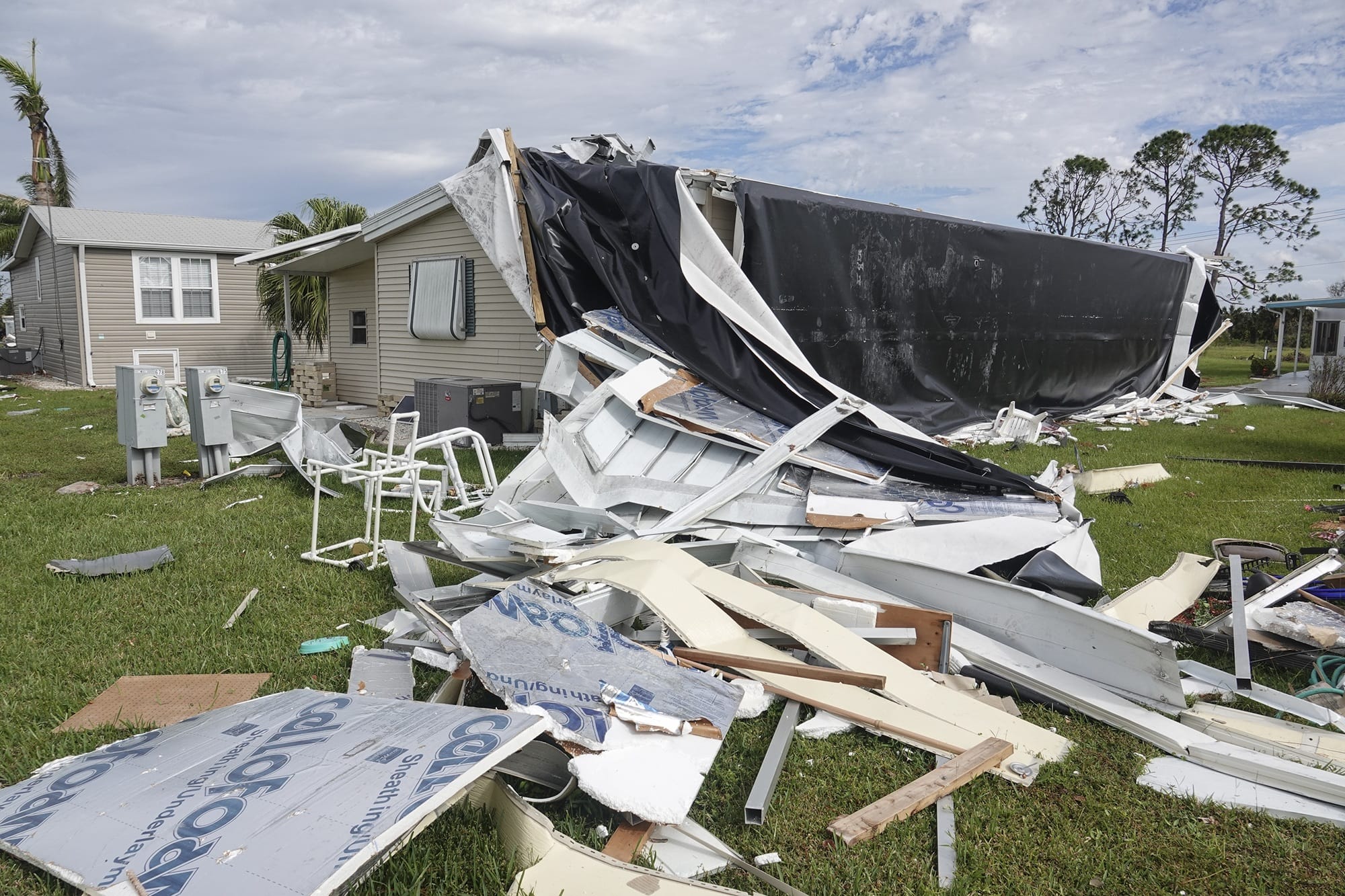
Hurricane Ian’s aftermath has exposed a growing affordability crisis across Southwest Florida. Skyrocketing insurance premiums, soaring construction costs, and rapid gentrification are making it harder for long‑time residents and middle‑class families to stay in their communities. From Fort Myers Beach to inland neighborhoods, homeowners, renters, and small businesses are feeling the pressure as rising costs reshape the region’s housing market and push many to reconsider their future in the state.
Florida’s home insurance market is facing its biggest credibility crisis in years. Despite major reforms meant to stabilize the system, homeowners are being pushed from Citizens into higher‑priced private insurers, many tied to companies that previously collapsed. Questionable financial ratings, high claim‑denial rates, and luxury‑level executive payouts are raising red flags across the state. For real estate and insurance professionals, this unstable landscape is reshaping home affordability, buyer confidence, and long‑term risk in Florida’s property market.
A new Michigan House bill aims to let licensed professionals complete all continuing education requirements online, offering greater flexibility for workers juggling rural travel, multiple jobs, or family demands. Supporters say the reform maintains high professional standards while removing unnecessary barriers, with regulators backing the shift and in‑person options remaining available.