How Post‑Election Power Shifts Could Reshape Real Estate in 2026
The November 4, 2025 local elections didn’t just produce headlines — they produced market shockwaves. From New York to Boston and down to Miami, newly elected leaders and policy revisions are creating ripple effects that will influence development costs, rental income, and investment strategies well into 2026.
For professionals across real estate, mortgage, insurance, and finance — including those leveling up their careers through Cameron Academy — these shifts offer fresh opportunities and new risks to account for.
With Zohran Mamdani elected mayor, NYC appears ready to advance some of the strongest tenant‑protection measures in the country. Proposed expansions to rent stabilization and affordability requirements could compress rental income and increase operating costs.
Run stress tests for potential rent‑freeze scenarios
Diversify between regulated and market‑rate units
Reevaluate underwriting assumptions for 2026
Track city council negotiations closely
Chicago: Sustainability Meets Steady Leadership
Chicago continues steering toward affordability and green development. With the Green Social Housing Ordinance and fluctuating property tax valuations, planners and investors are adopting more conservative frameworks.
Use conservative NOI and tax projections
Explore ESG‑aligned retrofits
Balance affordable and market‑rate holdings
Miami / South Florida: A Political Shakeup with Potential
Miami’s mayoral runoff between Eileen Higgins and Emilio González introduces policy uncertainty — but also opportunity. Developers anticipate streamlined permitting and expanded affordability initiatives depending on December’s outcome.
Delay major commitments until the runoff result
Stay flexible with financing structures
Partner with local developers to minimize exposure
Boston: Gradual but Significant Zoning Reform
Boston continues reshaping zoning rules under Mayor Michelle Wu, prioritizing affordability and redevelopment pathways. The predictable pace allows strategic planning — though some market‑rate assets may face reduced NOI.
Use zoning updates to spot conversion opportunities
Engage early in community planning
Track linkage fees and affordability thresholds
A Market in Transition: What 2026 Investors Should Watch
The national message is clear: housing policy has become market policy. From zoning to sustainability mandates, city leadership is directly reshaping property returns and investment timelines.
For professionals navigating this shift — especially students and alumni of Cameron Academy’s licensing programs — the environment is brimming with both challenges and fresh opportunity. Adaptive reuse, creative financing, and public‑private collaborations are quickly becoming competitive advantages.
And if you’re preparing to elevate your career in real estate or another licensed profession, discover modern, flexible education at Cameron Academy.
More Articles
Getting licensed or staying ahead in your career can be a journey—but it doesn’t have to be overwhelming. Grab your favorite coffee or tea, take a moment to relax, and browse through our articles. Whether you’re just starting out or renewing your expertise, we’ve got tips, insights, and advice to keep you moving forward. Here’s to your success—one sip and one step at a time!
Fintech has evolved from simple digital banking tools into a global force transforming how we pay, borrow, invest, and manage financial data. With AI, blockchain, and open banking leading the way, fintech is opening new opportunities for consumers, businesses, and professionals across real estate, mortgage, insurance, and finance.
After months of hesitation, the commercial real estate market showed a major resurgence in Q3 2025. Large single‑asset transactions over $10 million jumped to $76 billion — the strongest level since 2022 — signaling renewed liquidity and growing confidence among institutional buyers. While overall volumes remain below peak highs, rising deal counts, stabilizing prices, and increased activity across industrial, multifamily, office, and retail sectors point toward a market steadily moving back toward normalization.
California’s property insurance market didn’t collapse overnight—it unraveled over years of political delays, soaring wildfire losses, and mounting pressure on insurers and reinsurers. As major carriers pulled out and rate approvals stalled, millions of homeowners were left scrambling for coverage under an overwhelmed FAIR Plan. At the center of the controversy stands Insurance Commissioner Ricardo Lara, whose decisions, industry ties, and behind‑the‑scenes negotiations have drawn sharp criticism. The result is a destabilized market affecting homeowners, real estate professionals, lenders, and entire communities—and the question of whether current reforms can truly fix what’s broken.
After a slow start to the year, commercial real estate showed a major resurgence in Q3 2025 as large single‑asset deals over $10 million surged past $76 billion in volume. With 1,826 major trades and the strongest growth rate in more than a decade, investor confidence appears to be returning across U.S. markets. While overall volumes still trail the record highs of 2021–2022, the renewed momentum in big‑ticket transactions points to improving liquidity, clearer pricing, and a potentially pivotal turning point for brokers, investors, and industry professionals.
California’s property insurance market has unraveled into one of the most expensive and consequential crises in U.S. history. Major carriers pulled back, wildfire risks soared, regulators stalled, and the state’s FAIR Plan exploded in size — leaving hundreds of thousands of homeowners without affordable coverage. Now, with victims underinsured, premiums surging, and a billion‑dollar bailout looming, the fallout is spilling beyond California. For real estate, mortgage, finance, and insurance professionals across the country, this is a warning of what happens when rising climate risks collide with outdated regulatory systems.
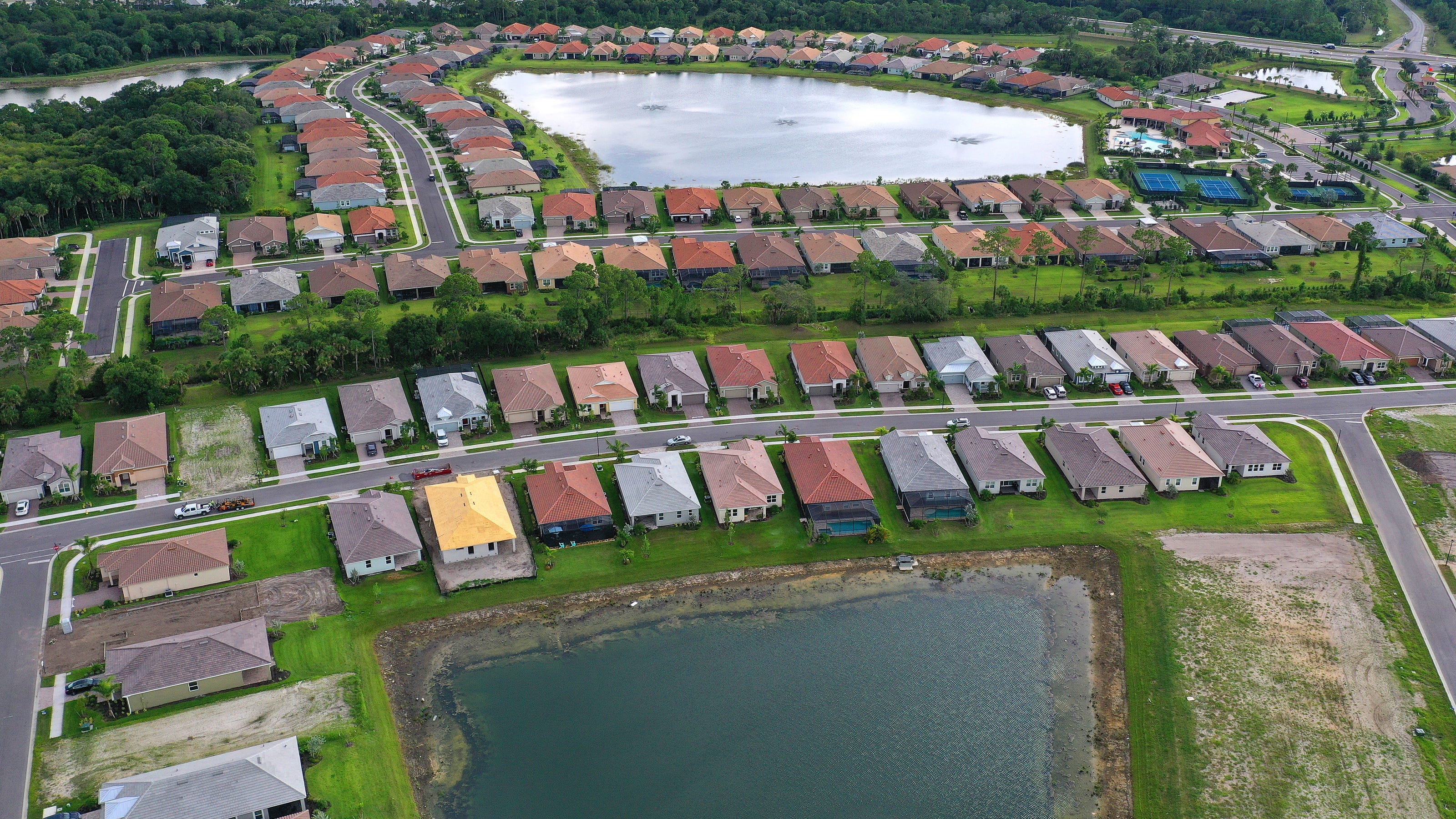
Sarasota County is on the brink of one of its largest modern expansions as the Winchester Ranch project moves closer to approval. Spanning more than 3,100 acres near North Port, the planned mega-development could bring up to 8,999 homes plus major commercial and industrial space. With construction projected to begin in 2027–2028, the community has sparked both excitement over new housing opportunities and concerns about environmental impact, placing it at the center of Florida’s ongoing growth debate.