How Post‑Election Power Shifts Could Reshape Real Estate in 2026
The November 4, 2025 local elections didn’t just produce headlines — they produced market shockwaves. From New York to Boston and down to Miami, newly elected leaders and policy revisions are creating ripple effects that will influence development costs, rental income, and investment strategies well into 2026.
For professionals across real estate, mortgage, insurance, and finance — including those leveling up their careers through Cameron Academy — these shifts offer fresh opportunities and new risks to account for.
With Zohran Mamdani elected mayor, NYC appears ready to advance some of the strongest tenant‑protection measures in the country. Proposed expansions to rent stabilization and affordability requirements could compress rental income and increase operating costs.
Run stress tests for potential rent‑freeze scenarios
Diversify between regulated and market‑rate units
Reevaluate underwriting assumptions for 2026
Track city council negotiations closely
Chicago: Sustainability Meets Steady Leadership
Chicago continues steering toward affordability and green development. With the Green Social Housing Ordinance and fluctuating property tax valuations, planners and investors are adopting more conservative frameworks.
Use conservative NOI and tax projections
Explore ESG‑aligned retrofits
Balance affordable and market‑rate holdings
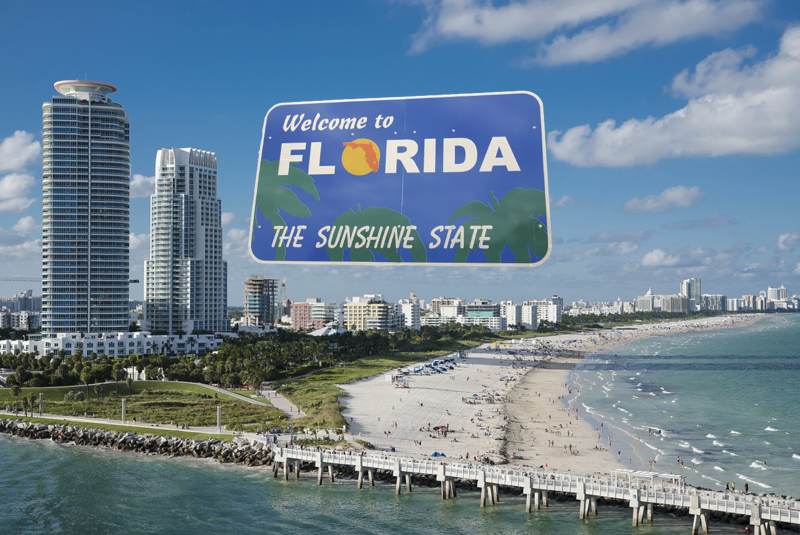
Miami / South Florida: A Political Shakeup with Potential
Miami’s mayoral runoff between Eileen Higgins and Emilio González introduces policy uncertainty — but also opportunity. Developers anticipate streamlined permitting and expanded affordability initiatives depending on December’s outcome.
Delay major commitments until the runoff result
Stay flexible with financing structures
Partner with local developers to minimize exposure
Boston: Gradual but Significant Zoning Reform
Boston continues reshaping zoning rules under Mayor Michelle Wu, prioritizing affordability and redevelopment pathways. The predictable pace allows strategic planning — though some market‑rate assets may face reduced NOI.
Use zoning updates to spot conversion opportunities
Engage early in community planning
Track linkage fees and affordability thresholds
A Market in Transition: What 2026 Investors Should Watch
The national message is clear: housing policy has become market policy. From zoning to sustainability mandates, city leadership is directly reshaping property returns and investment timelines.
For professionals navigating this shift — especially students and alumni of Cameron Academy’s licensing programs — the environment is brimming with both challenges and fresh opportunity. Adaptive reuse, creative financing, and public‑private collaborations are quickly becoming competitive advantages.
And if you’re preparing to elevate your career in real estate or another licensed profession, discover modern, flexible education at Cameron Academy.
More Articles
Getting licensed or staying ahead in your career can be a journey—but it doesn’t have to be overwhelming. Grab your favorite coffee or tea, take a moment to relax, and browse through our articles. Whether you’re just starting out or renewing your expertise, we’ve got tips, insights, and advice to keep you moving forward. Here’s to your success—one sip and one step at a time!
At the 2025 Florida Chamber Insurance Summit, Insurance Commissioner Mike Yaworsky announced that Florida’s long‑volatile insurance market has at last regained stability. After a decade marked by runaway litigation, inflated claims, and insurer exits, the sweeping tort and insurance reforms passed in 2022 and 2023 have reversed the decline. Litigation has fallen to pre‑2019 levels, new carriers and reinsurers are entering the state, and consumers now have more options than they’ve seen in years. Yaworsky cautioned, however, that rolling back these reforms would undo the progress and impose massive costs on Floridians.
Driving with an expired license is illegal in nearly every state, and in 2025 the consequences are more serious than most people realize. From fines and potential jail time to denied insurance claims and professional repercussions, even a simple lapse can create a ripple effect—especially for licensed professionals in real estate, insurance, mortgage, and finance. This quick morning read breaks down the real penalties, why professionals should pay attention, and how to renew your license before it becomes a costly mistake.
A new wave of chat‑based AI tools is reshaping how quickly real estate professionals can prepare and enhance listing photos. By simply describing changes—like brightening a kitchen, removing clutter, or fully staging a room—agents and property managers can produce high‑impact images in minutes. This technology not only speeds up market readiness but also boosts renter and buyer engagement by presenting spaces at their full potential from the very first glance.
The rental market is gearing up for major shifts in 2026, from rising compliance demands and surging insurance costs to the rapid adoption of AI‑powered property management tools. Tenants’ expectations are evolving just as quickly, pushing owners to deliver lifestyle‑driven communities rather than simple lease agreements. Investors and operators who embrace technology, stay ahead of regulatory changes and prioritize renter experience will be best positioned to thrive in the coming year.
Artificial intelligence is transforming real estate at lightning speed, turning days of manual work into minutes of automated insight. With the AI real estate market projected to soar from $222.65B in 2024 to over $975B by 2029, professionals who understand this technology now will lead the industry tomorrow. From smarter valuations to automated workflows and predictive analytics, AI is redefining how agents, investors, and property managers operate—making today the perfect time to embrace the tools shaping the future of real estate.
As AI takes over the repetitive tasks that slow agents down, industry expert Matt Britton says the future of real estate belongs to professionals who combine intelligent automation with irreplaceable human trust. Speaking to thousands at NAR NXT 2025, Britton emphasized that the next wave of success will come from agents who embrace AI workflows while doubling down on what technology can’t replicate: empathy, creativity, and meaningful client relationships.