How Rising Energy Costs Are Quietly Reshaping the Hudson Valley Real Estate Market
For years, real estate professionals measured affordability through familiar metrics: interest rates, supply, zoning, and construction costs. But in the Hudson Valley, a new variable has surged quietly into the spotlight. Energy costs, once a secondary consideration, are now reshaping how properties are valued, financed, and even livable.
According to reporting from Rockland County Business Journal, the pressure on middle- and lower-income households is reaching a breaking point. Utility bills, driven by rising delivery charges and volatile supply pricing, are now competing directly with essentials like mortgages and health insurance. For many families, the monthly question is no longer how to save, but which critical bill to prioritize.
Click-worthy Insight: Agents who understand energy efficiency are gaining a real competitive edge. These topics now appear more frequently in licensing education, valuation discussions, and property marketing strategies.
The Hidden Cost Reshaping Homeownership
A property’s true carrying cost is no longer only principal, interest, taxes, and insurance. Energy has become a fluctuating expense capable of tipping a household budget from manageable to overwhelming. In older Hudson Valley towns like Rockland and Orange, aging homes magnify this effect.
Outdated HVAC systems, leaky windows, and old insulation can turn standard utility bills into relentless monthly burdens. When rates climb, these aging structures leak money just as fast as they leak heat.
Grid Challenges and Development Delays
While renewable capacity is growing, investment has not kept pace with demand. The grid remains outdated and in many areas at capacity. For developers, this introduces a new challenge: interconnection fees and mandatory infrastructure upgrades are raising budgets and delaying otherwise viable projects.
Meanwhile, energy-heavy facilities like data centers continue to expand across the region. These centers strain local infrastructure but generate limited long-term jobs, adding to community frustration.
Energy Efficiency Is Now a Market Divider
The market is increasingly rewarding homes and buildings with energy-efficient upgrades. Solar installations, LED lighting, modern mechanical systems, and well-sealed envelopes are becoming defining features. Buyers and investors are beginning to calculate energy volatility the same way they evaluate flood zones or deferred maintenance.
For commercial professionals, unpredictable energy expenses squeeze margins and complicate underwriting. Multifamily owners in particular face rising common-area electrical costs that outpace reasonable rent increases.
Policy Lag and Local Solutions
Without a cohesive national plan to upgrade energy infrastructure, local governments may need to take the lead. Potential strategies include:
– Streamlined permitting for solar systems
– PACE financing for energy retrofits
– Community microgrids
– Updated zoning requiring stronger performance standards
Energy is no longer a distant policy issue. It is now directly influencing housing availability, business operations, and the overall real estate market. In the Hudson Valley, these rising energy costs act like a regressive tax that hits lower-income households the hardest.
What This Means for Real Estate Students and Professionals
Energy literacy is quickly becoming essential knowledge for the modern real estate career. Whether you are a new agent preparing for your exam or a seasoned investor advancing your strategy, understanding energy costs strengthens your competitive edge.
This is why programs at Cameron Academy emphasize market analysis, valuation principles, and real-world trends. Students learn how to confidently discuss the forces influencing buyer behavior and property performance, including the rising impact of utility costs.
Want to master these fast-changing topics? Explore real estate licensing and continuing education programs at Cameron Academy and stay ahead of the market.
This article is based on reporting from Rockland County Business Journal. Explore the full story here:
Read the full article on RCBJ
More Articles
Getting licensed or staying ahead in your career can be a journey—but it doesn’t have to be overwhelming. Grab your favorite coffee or tea, take a moment to relax, and browse through our articles. Whether you’re just starting out or renewing your expertise, we’ve got tips, insights, and advice to keep you moving forward. Here’s to your success—one sip and one step at a time!
The title insurance industry is entering 2026 with a renewed focus on technology, operational efficiency, and stronger agent support after years of volatility. Leaders from major underwriters report rising transaction activity, improved affordability, and a surge in automation and fraud‑prevention tools—signs that smarter systems and better training will define the next wave of growth.
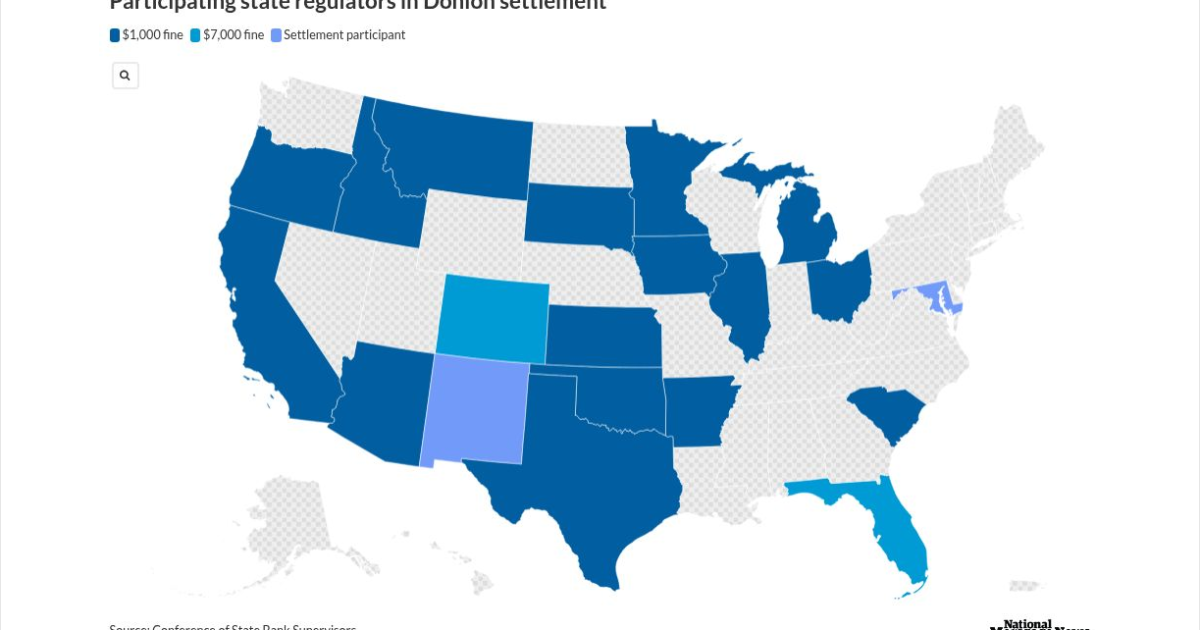
A multistate crackdown has sent shockwaves through the mortgage industry as Patrick Terrance Donlon, CEO of Trusted American Mortgage, accepted a sweeping settlement that bans him from working as a mortgage loan originator in 21 states—19 of them permanently. Regulators say Donlon had another individual complete his mandatory licensing and continuing‑education courses, a violation that triggered a coordinated investigation and a $31,000 penalty. The case underscores regulators’ growing intolerance for education fraud and serves as a sharp reminder to industry professionals: cutting corners on licensing can end careers.
Florida’s once‑booming housing market is cooling fast as rising insurance premiums, increasing foreclosures, and expanding flood zones push buyers to back out of deals and force sellers to cut prices. With insurance now adding thousands to annual housing costs, professionals across real estate, mortgage, and insurance are navigating a dramatically shifting landscape that’s redefining affordability in the Sunshine State.
Florida begins 2026 with a wave of more than 250 new laws now in effect, impacting healthcare, insurance, real estate, and consumer protections statewide. From free breast cancer screenings for state employees to tighter pet insurance regulations, mandatory healthcare refund rules, enhanced animal‑cruelty penalties, and new condo‑management requirements, these updates carry major implications for professionals navigating Florida’s evolving regulatory landscape.
Florida’s barrier islands may offer postcard-perfect beaches and soaring real estate demand, but they’re also some of the most fragile and costly places to build in the United States. With 765,000 residents living on land that shifts, sinks, and takes the brunt of every major hurricane, the financial and insurance risks are accelerating fast. From billion‑dollar beach rebuilds to towers settling into the sand, today’s coastal development challenges are reshaping conversations around property values, disclosure, and long‑term resilience. For real estate professionals, understanding these risks isn’t just smart — it’s becoming essential.
A Cedar City development is turning heads with its fresh approach to affordability. The team behind Temple View Commons is delivering luxury‑inspired twin homes at prices below the local median by using a small, hands‑on staff and cutting traditional costs like realtor commissions. In a tight Utah housing market where inventory is scarce and prices remain high, their strategy offers a realistic path to homeownership without sacrificing high‑end finishes.


 Title Insurance Leaders Double Down on Tech and Efficiency to Drive 2026 Market Momentum Gallery