Hurricane Insurance in Florida: What Homeowners Need to Know in 2026
Florida’s relationship with hurricane season is as old and complicated as the state itself. With storms like Idalia, Helene, and Milton leaving billions in damages across the region, Florida homeowners face one recurring question: Is my insurance truly strong enough to withstand the next big storm?
This article draws inspiration from the exceptional insurance reporting by Insurify — one of the most valuable resources homeowners can keep bookmarked. Their research exposes critical insights many Floridians don’t discover until it’s far too late.
Why Hurricane Insurance Matters More Than Ever
Florida remains the most expensive state in the nation for homeowners insurance. Between insurers withdrawing from the market, rising premiums, and unpredictable weather patterns, understanding your coverage has become a financial survival skill.
Quick Facts:
• Hurricane deductibles range from 1% to 15% of your home’s insured value.
• Coverage activates only when a storm is officially declared a hurricane.
• Flood insurance is not included in homeowners policies — yet only 4% of Americans carry it.
What Hurricane Insurance Actually Covers
Your policy is a three-part system: homeowners insurance, windstorm coverage, and flood insurance. Each protects against different forms of storm damage.
Rainwater flooding? Covered by flood insurance.
Wind-blown debris, broken shingles, shattered windows? Covered by homeowners insurance.
Storm surge flooding your home? Flood insurance takes over.
No single policy covers everything — meaning Floridians often need combined protections for complete safety.
The Reality of Hurricane Deductibles
Many homeowners are shocked to discover their hurricane deductible can cost tens of thousands of dollars before coverage even begins.
Example: A 5% deductible on a $300,000 home equals $15,000 out-of-pocket.
Important: You only pay the hurricane deductible once per calendar year — even if multiple hurricanes hit.
Why Flood Insurance is Essential
Flooding is both the most common and the most financially devastating effect of hurricanes. Yet millions remain uninsured.
With Florida’s average annual flood policy cost near $2,200, coverage can be the difference between recovery and financial ruin. NFIP policies remain common, while private insurers offer broader options.
Are You Covered Enough to Rebuild?
Rebuilding requires more than basic coverage. Reviewing your policy annually ensures you’re prepared.
• Dwelling coverage limits
• Replacement cost vs. actual cash value
• Valuable item endorsements
• Additional living expenses (ALE)
These determine how fast life returns to normal after disaster.
Steps to Update or Buy Hurricane Coverage
Experts suggest reviewing your policies well before the June 1 start of hurricane season:
1. Start early
2. Review existing coverage
3. Add endorsements
4. Ask about discounts
5. Compare quotes
6. Purchase separate flood insurance
Interactive FAQs
Is hurricane insurance required?
No. But mortgage lenders almost always require it.
How much does hurricane insurance cost in Florida?
No. Insurers typically issue moratoriums when a storm becomes imminent.
Why This Matters for Florida Professionals
Whether you’re entering real estate, insurance, or mortgage fields, knowledge of hurricane insurance is essential. It shapes property decisions, market valuations, and client protection strategies.
At Cameron Academy, these storm-related risks form a core part of our real estate and insurance licensing education — because in Florida, staying ahead means staying informed.
Special Thanks to Our Source
This article builds on the in-depth research of Insurify. Their team’s commitment to clarity and consumer protection makes them a must-visit resource for anyone evaluating storm coverage options.
Before hurricane season approaches, their tools and guides are absolutely worth exploring.
More Articles
Getting licensed or staying ahead in your career can be a journey—but it doesn’t have to be overwhelming. Grab your favorite coffee or tea, take a moment to relax, and browse through our articles. Whether you’re just starting out or renewing your expertise, we’ve got tips, insights, and advice to keep you moving forward. Here’s to your success—one sip and one step at a time!
The Phoenix housing market continues to outperform the rest of the country, posting stronger sales, rising equity, and an influx of qualified buyers. With closed sales, pending sales, new listings, and median prices all trending upward, the Valley is outpacing national growth by a wide margin. City‑level data shows impressive strength across Scottsdale, Goodyear, Gilbert, Phoenix, and more—making 2025 a powerful year for agents, investors, and professionals watching the Arizona market.
With the 2026 FIFA World Cup and America’s 250th birthday celebrations on the horizon, the U.S. job market is gearing up for a surge across multiple industries. Seasonal, flexible, and part‑time roles are expected to rise—especially for workers 50+ who have struggled in a cooling labor market. From accounting and HR leadership to event staffing and delivery driving, major cities are preparing for increased hiring tied to tourism, infrastructure, and yearlong national celebrations. Many of these fast‑growing roles connect directly to licensing and certification pathways, giving professionals new chances to pivot or upskill through programs offered by Cameron Academy.
Florida is rolling out a new wave of laws on January 1, 2026 that will impact professionals in real estate, insurance, healthcare, education, and other regulated industries. From new insurance rules and healthcare billing requirements to condo association deadlines and statewide databases, these updates reshape compliance expectations across the state. Whether you work in property, finance, or public‑facing services, understanding these changes is essential for staying aligned with Florida’s evolving regulations.
Nearly every commercial real estate professional is expecting a stronger year ahead, with 97% predicting increased or stable activity in 2026, according to Avison Young’s latest outlook. Confidence has surged dramatically since mid‑2025 as strong sales, anticipated rate cuts, and improving fundamentals across key sectors signal that CRE recovery and growth may finally be taking hold.
Dallas‑Fort Worth is finishing 2025 as the nation’s top real estate and business powerhouse, fueled by corporate relocations, a dominant industrial sector, infrastructure megaprojects, and a rapidly evolving workforce landscape. From data center expansion to the launch of the DART Silver Line, the region continues to outpace national trends—while also confronting a growing demand for skilled professionals and licensed talent across construction, real estate, and technical fields.
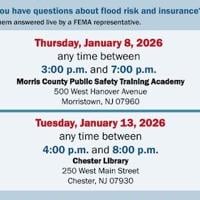
FEMA and the NJDEP have released revised preliminary flood maps for Morris County, reshaping how homeowners, real estate agents, insurers, and mortgage professionals assess flood risk. The updated FIRMs may shift properties into or out of higher‑risk zones, affecting insurance requirements, closing processes, and long‑term property values. With public review and appeals ahead, industry professionals are urged to study the changes now and prepare clients for potential impacts.