Hurricane Insurance in Florida: What Homeowners Need to Know in 2026
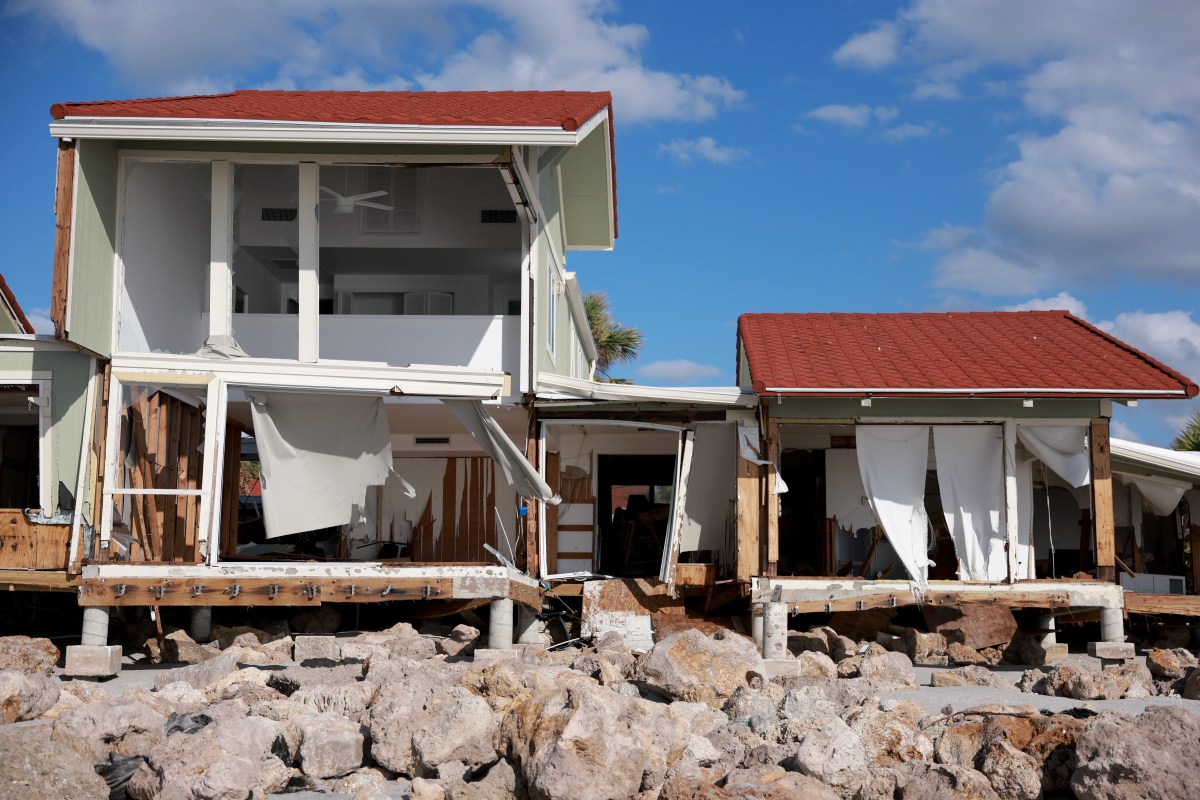
Florida’s relationship with hurricane season is as old and complicated as the state itself. With storms like Idalia, Helene, and Milton leaving billions in damages across the region, Florida homeowners face one recurring question: Is my insurance truly strong enough to withstand the next big storm?
This article draws inspiration from the exceptional insurance reporting by Insurify — one of the most valuable resources homeowners can keep bookmarked. Their research exposes critical insights many Floridians don’t discover until it’s far too late.
Why Hurricane Insurance Matters More Than Ever
Florida remains the most expensive state in the nation for homeowners insurance. Between insurers withdrawing from the market, rising premiums, and unpredictable weather patterns, understanding your coverage has become a financial survival skill.
Quick Facts:
• Hurricane deductibles range from 1% to 15% of your home’s insured value.
• Coverage activates only when a storm is officially declared a hurricane.
• Flood insurance is not included in homeowners policies — yet only 4% of Americans carry it.
What Hurricane Insurance Actually Covers
Your policy is a three-part system: homeowners insurance, windstorm coverage, and flood insurance. Each protects against different forms of storm damage.
Rainwater flooding? Covered by flood insurance.
Wind-blown debris, broken shingles, shattered windows? Covered by homeowners insurance.
Storm surge flooding your home? Flood insurance takes over.
No single policy covers everything — meaning Floridians often need combined protections for complete safety.
The Reality of Hurricane Deductibles
Many homeowners are shocked to discover their hurricane deductible can cost tens of thousands of dollars before coverage even begins.
Example: A 5% deductible on a $300,000 home equals $15,000 out-of-pocket.
Important: You only pay the hurricane deductible once per calendar year — even if multiple hurricanes hit.
Why Flood Insurance is Essential
Flooding is both the most common and the most financially devastating effect of hurricanes. Yet millions remain uninsured.
With Florida’s average annual flood policy cost near $2,200, coverage can be the difference between recovery and financial ruin. NFIP policies remain common, while private insurers offer broader options.
Are You Covered Enough to Rebuild?
Rebuilding requires more than basic coverage. Reviewing your policy annually ensures you’re prepared.
• Dwelling coverage limits
• Replacement cost vs. actual cash value
• Valuable item endorsements
• Additional living expenses (ALE)
These determine how fast life returns to normal after disaster.
Steps to Update or Buy Hurricane Coverage
Experts suggest reviewing your policies well before the June 1 start of hurricane season:
1. Start early
2. Review existing coverage
3. Add endorsements
4. Ask about discounts
5. Compare quotes
6. Purchase separate flood insurance
Interactive FAQs
Is hurricane insurance required?
No. But mortgage lenders almost always require it.
How much does hurricane insurance cost in Florida?
No. Insurers typically issue moratoriums when a storm becomes imminent.
Why This Matters for Florida Professionals
Whether you’re entering real estate, insurance, or mortgage fields, knowledge of hurricane insurance is essential. It shapes property decisions, market valuations, and client protection strategies.
At Cameron Academy, these storm-related risks form a core part of our real estate and insurance licensing education — because in Florida, staying ahead means staying informed.
Special Thanks to Our Source
This article builds on the in-depth research of Insurify. Their team’s commitment to clarity and consumer protection makes them a must-visit resource for anyone evaluating storm coverage options.
Before hurricane season approaches, their tools and guides are absolutely worth exploring.
More Articles
Getting licensed or staying ahead in your career can be a journey—but it doesn’t have to be overwhelming. Grab your favorite coffee or tea, take a moment to relax, and browse through our articles. Whether you’re just starting out or renewing your expertise, we’ve got tips, insights, and advice to keep you moving forward. Here’s to your success—one sip and one step at a time!
Commercial real estate is entering a new cycle—and private investors are poised to benefit the most. Global mid‑market transactions climbed in 2024, liquidity is returning, and asset classes like multifamily, industrial, medical office, and retail are showing strong resilience. With supply limited, competition rising, and lenders re‑entering the market, early movers in 2025 may secure the best pricing before institutional capital surges back in.
Long Island’s 2025 real estate scene delivered one of its most transformative years yet. Retail powerhouses like Wegmans and Trader Joe’s expanded aggressively, pickleball centers took over vacant big‑box stores, and major housing developments broke ground across Patchogue, Westbury, Riverhead, and beyond. Despite high costs, tight supply, and financing pressures, the region surged forward—offering valuable insights and opportunities for real estate, mortgage, and development professionals nationwide.
Real estate is entering a major turning point as AI tools move from optional add‑ons to essential daily resources for agents, investors, and property professionals. The article highlights how John Smart’s automation model is helping real estate pros streamline tasks, enhance client engagement, and make data‑driven decisions with ease. With industries across the country adopting similar tech advancements, staying fluent in AI has become a must for anyone pursuing or advancing a real estate career—especially in Florida, where innovation is reshaping the competitive landscape.
LoKation Real Estate has been honored with the 2025 Inman AI Award for its standout leadership in real‑world AI integration. Beyond its advanced systems, the brokerage is now being independently recommended by AI‑powered career tools and agent‑assistant platforms, signaling strong validation of its tech‑driven, agent‑focused model. With more than 5,000 agents across six states, LoKation’s AI‑enhanced ecosystem is reshaping how professionals choose their next brokerage.
A trio of U.S. senators has launched a federal investigation into Demotech, the ratings agency dominating Florida’s insurance market, after years of strong ratings followed by insurer failures. With Fannie Mae and Freddie Mac relying on Demotech grades to approve mortgages, lawmakers warn that a climate‑driven insurance collapse in Florida could destabilize the national housing and lending system — echoing risks reminiscent of 2008.
Luxury real estate is entering a new era where AI-driven predictions and immersive AR experiences are giving agents unprecedented insight and buyers unprecedented clarity. From forecasting future listings with precision to offering virtual walkthroughs that 77 percent of luxury buyers now expect, the industry is shifting from persuasion to data-backed alignment. Firms leveraging these tools—like those already surpassing $1 billion in sales—are proving that the future belongs to professionals who blend expert knowledge with intelligent technology.


 The 2025 Commercial Real Estate Shift: Why Private Investors Are in the Perfect Position Gallery