Innovation at the Intersection of Infrastructure and Real Estate
The ever-evolving landscape of technological innovation is reshaping the very fabric of our infrastructure and real estate. As the world’s energy needs surge exponentially, the demands of large language models and generative AI, such as ChatGPT, have reached unprecedented levels, requiring vast amounts of power, water, and electricity. This has created a ripple effect across infrastructures, particularly data centers, which are now grappling with these new challenges.
Powering the Future: A New Era of Data Centers
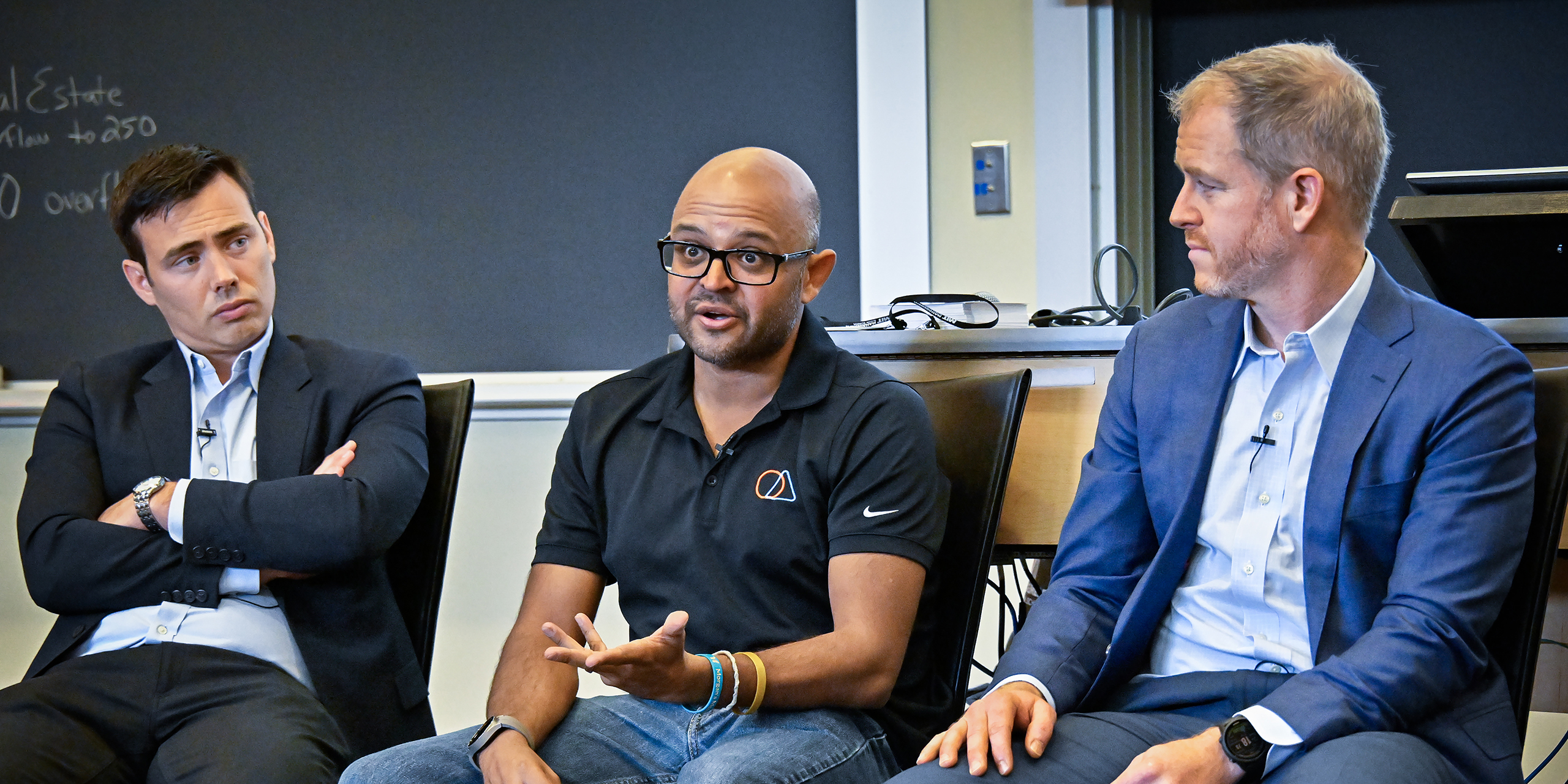
Data centers, once modest in their energy consumption, have grown exponentially. “We were building data centers that were one megawatt, 10 megawatts. Now, they’re 100 megawatts, 500 megawatts, and one gigawatt,” said John Ghirardelli, executive director at Morgan Stanley Infrastructure Partners. This surge has put immense pressure on the US grid, which has remained relatively stable over the past 40 years.
At the MIT Sloan Reunion 2024, Ghirardelli moderated a panel titled “The Digitalization and Infrastructure of Real Estate,” where experts delved into the complexities and opportunities of this intersection.
The Green Revolution: Sustainable Solutions
The shift towards greener energy is not just a trend but a necessity. As data centers expand, so does the need for sustainable energy solutions. Dipul Patel, CTO at Soluna, emphasized the importance of relocating data centers to areas with abundant wind power. “AI is power-hungry and money-hungry on a level that no one’s ever seen,” Patel noted. By positioning data centers near wind farms, energy loss is minimized, making both the data centers and wind farms more efficient and profitable.
Real Estate: A New Game
The real estate industry is undergoing a transformation, moving beyond traditional residential and commercial spaces to include assets like data centers, cell phone towers, and renewable energy farms. “Real estate is really an industry of innovate or die,” said Zvi Gordon, CEO of Gazit Horizons Inc. The industry must adapt to rapid technological changes, balancing innovation with the challenges of permits and slow processes.
John Ghirardelli encapsulated this shift, stating, “It’s no longer single-family homes and McDonald’s anymore. It’s a whole new game.”
Conclusion
The insights shared at the MIT Sloan Reunion 2024 highlight the critical need for smarter, faster, and more sustainable development in the face of growing technological demands. As the world continues to digitalize, the intersection of infrastructure and real estate will play a pivotal role in shaping our future.
More Articles
Getting licensed or staying ahead in your career can be a journey—but it doesn’t have to be overwhelming. Grab your favorite coffee or tea, take a moment to relax, and browse through our articles. Whether you’re just starting out or renewing your expertise, we’ve got tips, insights, and advice to keep you moving forward. Here’s to your success—one sip and one step at a time!
Commercial real estate is entering a decade of major transformation driven by interest rate pressures, evolving work culture, rapid proptech innovation, and growing demand for AI-focused infrastructure. While the global CRE market is projected to reach $133.5 trillion by 2028, rising rates, shifting office demand, and increasing sustainability requirements are reshaping how professionals invest, manage, and develop properties. By 2030, the biggest opportunities will center on mixed‑use conversions, data center growth, premium office spaces, and ESG‑driven upgrades.
The National Association of Realtors’ landmark antitrust settlement is transforming how real estate agents negotiate compensation, work with buyers, and handle transparency in transactions. With MLS‑posted buyer‑broker commissions eliminated and written buyer agreements now required, both consumers and professionals are navigating a new, more transparent landscape. While commission levels have only dipped slightly, the real shift is in how openly compensation is discussed and negotiated—creating new challenges and opportunities for agents who adapt quickly.
Artificial intelligence is no longer a novelty in real estate — 2025 marks its breakthrough year as a dependable pillar of the proptech industry. With investors pouring capital into AI‑powered forecasting, security, automation, and property management tools, the sector is shifting from experimentation to full‑scale adoption. Brokerages, developers, and institutional players now rely on AI to streamline due diligence, enhance market modeling, reduce risk, and optimize building operations. As adoption accelerates, professionals who understand and leverage these technologies are gaining a decisive competitive edge in fast‑moving markets like Florida.
A new episode of Current Account breaks down why the insurance industry is heading into 2026 with more uncertainty — and more opportunity — than ever. From shifting global regulations and rising catastrophe risks to FSOC’s evolving role in the U.S., industry leaders Jérôme Haegeli and Philippe Brahin explain how insurers are being pushed to rethink strategy in real time. With global premium growth expected to slow and regulatory pressures rising, professionals in insurance and financial services are turning to education and new skills to stay ahead in a rapidly changing market.
New Jersey is quietly becoming one of the hottest commercial real estate markets in the nation, with Jersey City and North Jersey breaking into the top 10 in PwC’s 2026 Emerging Trends report. Fueled by redevelopment momentum, data‑center demand, mixed‑use transformations and a surge in health‑care projects, the state is drawing major investors while still battling rising construction costs and municipal fatigue. For real estate professionals, the Garden State’s evolution signals fresh opportunity—and a market worth watching closely heading into 2026.
The National Council of Insurance Legislators is pushing back against President Trump’s new executive order on artificial intelligence, arguing that it threatens decades of state‑based insurance oversight. NCOIL leaders say federal attempts to centralize AI authority could disrupt markets, weaken consumer protections, and limit states’ ability to innovate—setting the stage for a significant legal and political battle with major implications for insurance professionals who rely on AI‑driven tools and regulatory clarity.

 Powering the Future: A New Era of Data Centers
Data centers, once modest in their energy consumption, have grown exponentially. “We were building data centers that were one megawatt, 10 megawatts. Now, they’re 100 megawatts, 500 megawatts, and one gigawatt,” said
Powering the Future: A New Era of Data Centers
Data centers, once modest in their energy consumption, have grown exponentially. “We were building data centers that were one megawatt, 10 megawatts. Now, they’re 100 megawatts, 500 megawatts, and one gigawatt,” said 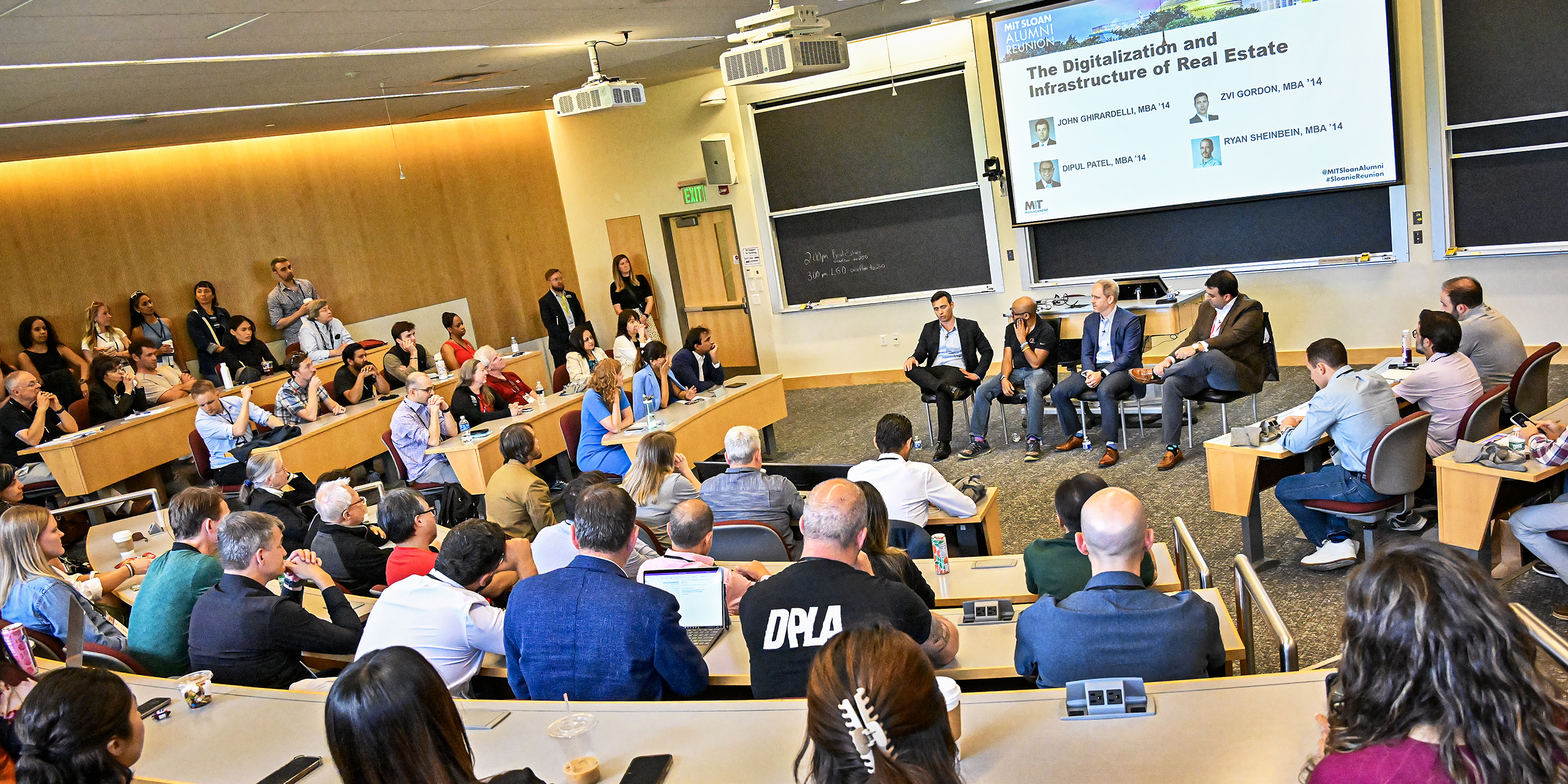 Real Estate: A New Game
The real estate industry is undergoing a transformation, moving beyond traditional residential and commercial spaces to include assets like data centers, cell phone towers, and renewable energy farms. “Real estate is really an industry of innovate or die,” said
Real Estate: A New Game
The real estate industry is undergoing a transformation, moving beyond traditional residential and commercial spaces to include assets like data centers, cell phone towers, and renewable energy farms. “Real estate is really an industry of innovate or die,” said 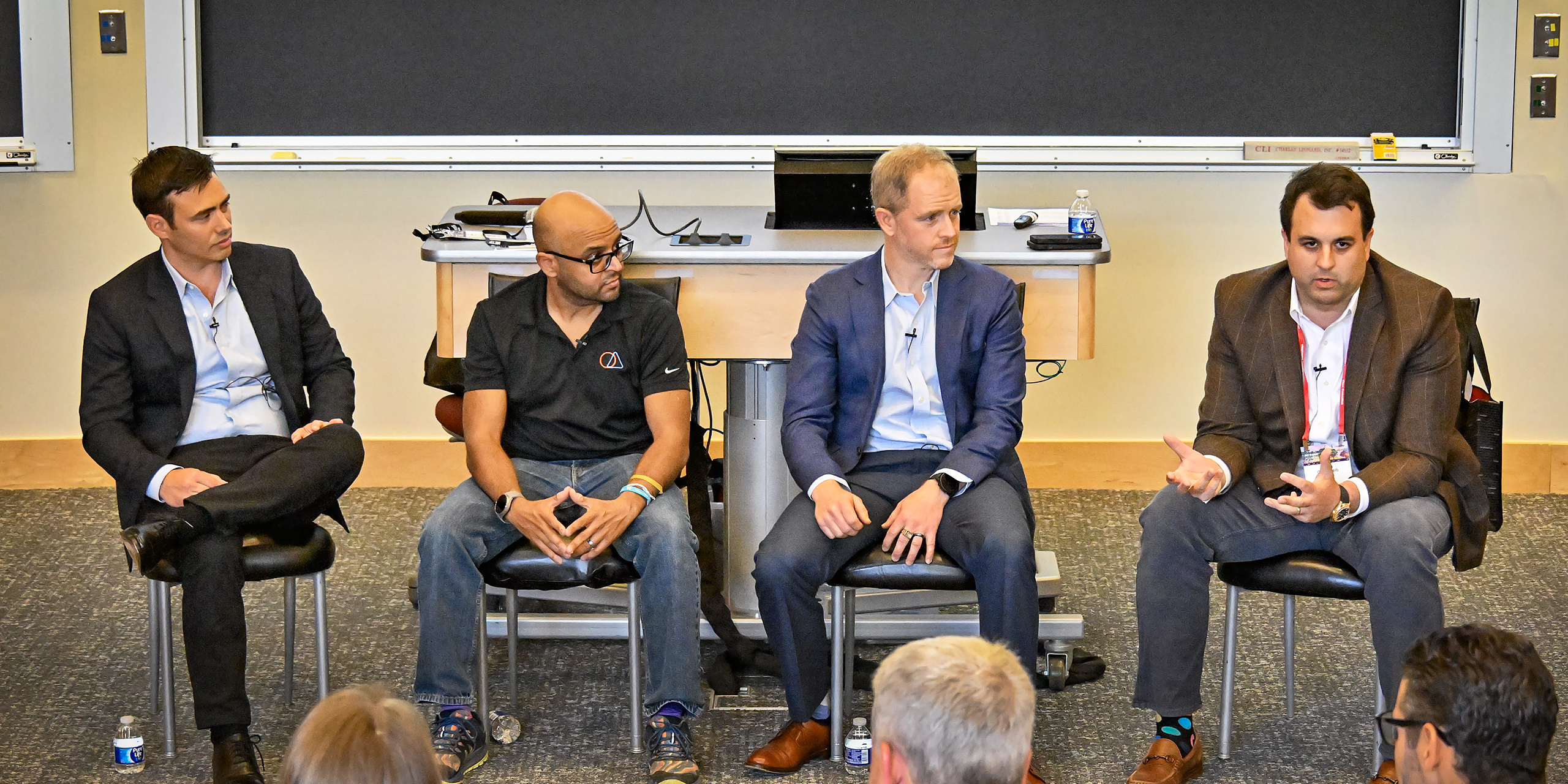 Conclusion
The insights shared at the
Conclusion
The insights shared at the