Innovation at the Intersection of Infrastructure and Real Estate
The ever-evolving landscape of technological innovation is reshaping the very fabric of our infrastructure and real estate. As the world’s energy needs surge exponentially, the demands of large language models and generative AI, such as ChatGPT, have reached unprecedented levels, requiring vast amounts of power, water, and electricity. This has created a ripple effect across infrastructures, particularly data centers, which are now grappling with these new challenges.
Powering the Future: A New Era of Data Centers
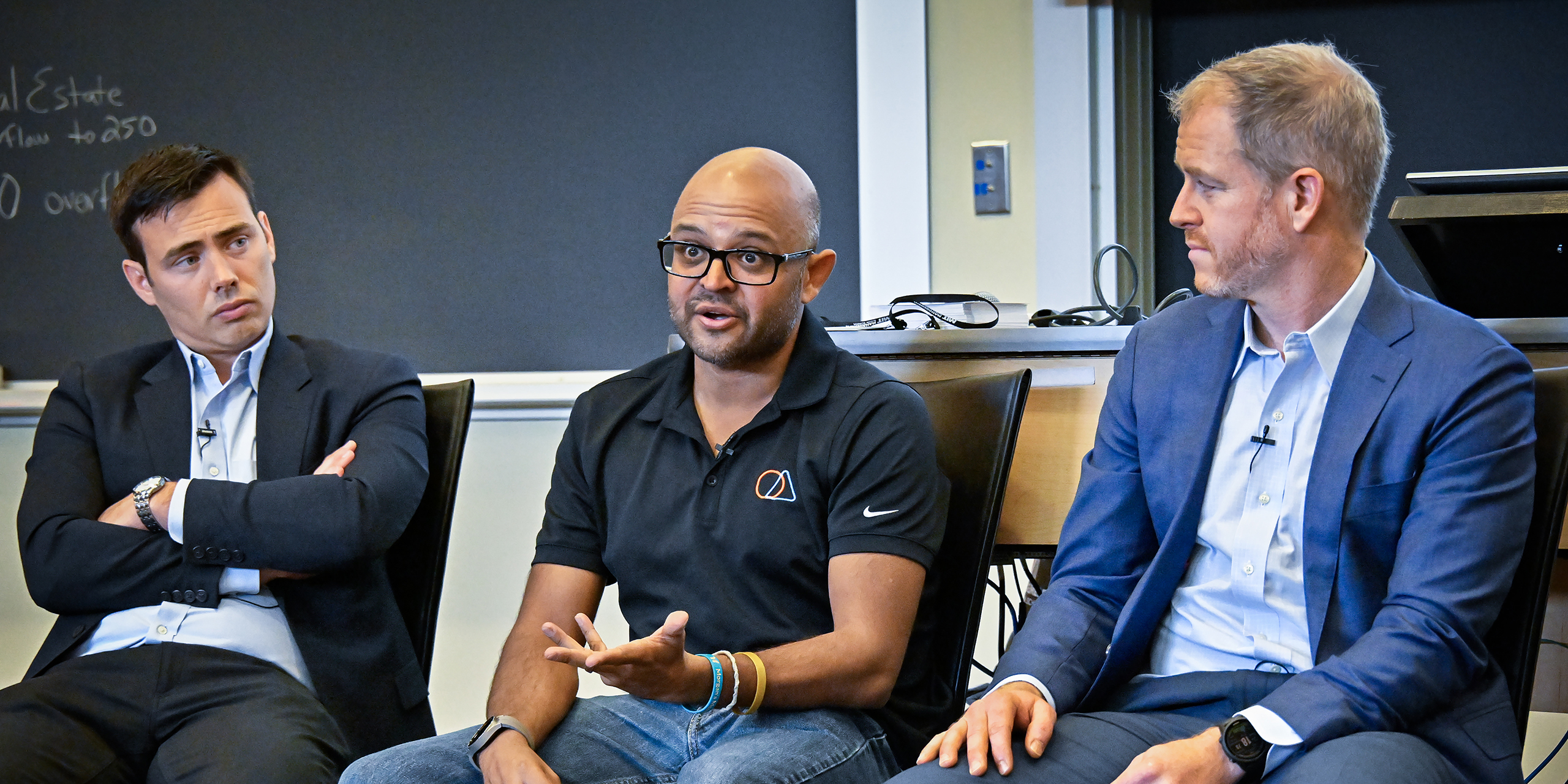
Data centers, once modest in their energy consumption, have grown exponentially. “We were building data centers that were one megawatt, 10 megawatts. Now, they’re 100 megawatts, 500 megawatts, and one gigawatt,” said John Ghirardelli, executive director at Morgan Stanley Infrastructure Partners. This surge has put immense pressure on the US grid, which has remained relatively stable over the past 40 years.
At the MIT Sloan Reunion 2024, Ghirardelli moderated a panel titled “The Digitalization and Infrastructure of Real Estate,” where experts delved into the complexities and opportunities of this intersection.
The Green Revolution: Sustainable Solutions
The shift towards greener energy is not just a trend but a necessity. As data centers expand, so does the need for sustainable energy solutions. Dipul Patel, CTO at Soluna, emphasized the importance of relocating data centers to areas with abundant wind power. “AI is power-hungry and money-hungry on a level that no one’s ever seen,” Patel noted. By positioning data centers near wind farms, energy loss is minimized, making both the data centers and wind farms more efficient and profitable.
Real Estate: A New Game
The real estate industry is undergoing a transformation, moving beyond traditional residential and commercial spaces to include assets like data centers, cell phone towers, and renewable energy farms. “Real estate is really an industry of innovate or die,” said Zvi Gordon, CEO of Gazit Horizons Inc. The industry must adapt to rapid technological changes, balancing innovation with the challenges of permits and slow processes.
John Ghirardelli encapsulated this shift, stating, “It’s no longer single-family homes and McDonald’s anymore. It’s a whole new game.”
Conclusion
The insights shared at the MIT Sloan Reunion 2024 highlight the critical need for smarter, faster, and more sustainable development in the face of growing technological demands. As the world continues to digitalize, the intersection of infrastructure and real estate will play a pivotal role in shaping our future.
More Articles
Getting licensed or staying ahead in your career can be a journey—but it doesn’t have to be overwhelming. Grab your favorite coffee or tea, take a moment to relax, and browse through our articles. Whether you’re just starting out or renewing your expertise, we’ve got tips, insights, and advice to keep you moving forward. Here’s to your success—one sip and one step at a time!
Palm Beach protests erupted as intensified immigration enforcement reached the heart of Trump’s hometown, while millions in Florida brace for rising health care costs as key subsidies near expiration. At the same time, state regulators boldly declare the long‑running property insurance crisis “over,” leaving homeowners and industry professionals questioning whether true stability has finally returned.
As 2025 comes to a close, the real estate industry is shifting from uncertainty to strategic expansion. According to DWS’s Year-End 2025 Outlook, property values are stabilizing after years of repricing, capital is concentrating on high-quality assets, and Sunbelt markets—especially Florida—continue to outperform. With technology enhancing rather than replacing professional expertise, 2026 is shaping up to reward professionals who stay informed, skilled, and strategically positioned for the next cycle.
Texas capital is pouring into San Francisco’s long‑struggling commercial real estate market, with Lone Star investors buying up discounted Union Square buildings and signaling what many experts believe is the city’s market bottom. As office activity and confidence begin to return, buyers from across the country are joining the rush, turning SF’s post‑pandemic slump into one of the nation’s hottest bargain opportunities.
With 2026 HousingWire Tech100 nominations closing on December 19, the housing tech sector is accelerating at full speed. AI‑powered data platforms, digital closing breakthroughs, embedded insurance growth, and next‑generation servicing automation are reshaping real estate, mortgage, insurance, and finance. From ATTOM’s AI‑ready property intelligence to Hapi Homes’ Martha Stewart design revival, Obie’s nationwide expansion, Outamation’s servicing automation, and ServiceLink’s next‑level borrower scheduling, this year’s standout innovators are defining the future of the housing economy.
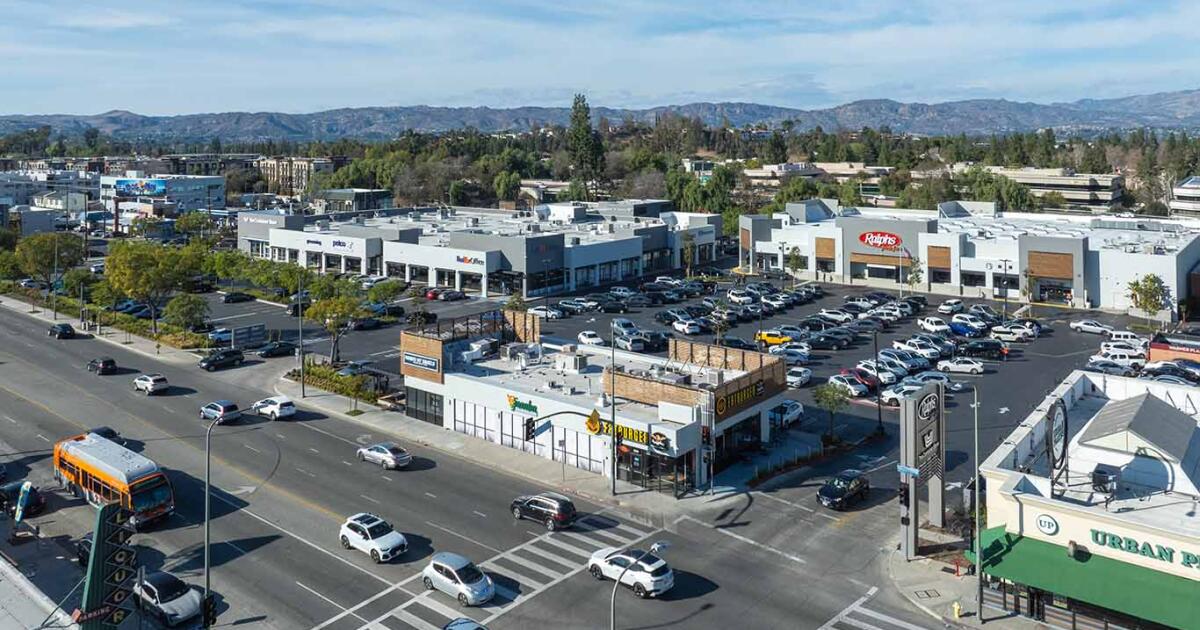
Space Investment Partners has acquired the 123,402‑square‑foot Topanga Gateway retail center in Woodland Hills for $64 million, marking another significant move in the firm’s expanding grocery‑anchored investment strategy. Located at a high‑visibility intersection and 97% occupied at the time of sale, the property strengthens the company’s push toward $500 million to $1 billion in retail acquisitions for 2026, underscoring continued investor confidence in necessity‑based retail assets.
After the Federal Reserve’s final 2025 rate cut on December 10, mortgage markets are recalibrating, giving buyers and homeowners a glimmer of relief. Rates remain lower than earlier in the year, with 30-year fixed loans at 6.12% and refinances dipping as well. This shift may spark renewed activity for buyers, refinancers, and real estate professionals heading into 2026.

 Powering the Future: A New Era of Data Centers
Data centers, once modest in their energy consumption, have grown exponentially. “We were building data centers that were one megawatt, 10 megawatts. Now, they’re 100 megawatts, 500 megawatts, and one gigawatt,” said
Powering the Future: A New Era of Data Centers
Data centers, once modest in their energy consumption, have grown exponentially. “We were building data centers that were one megawatt, 10 megawatts. Now, they’re 100 megawatts, 500 megawatts, and one gigawatt,” said 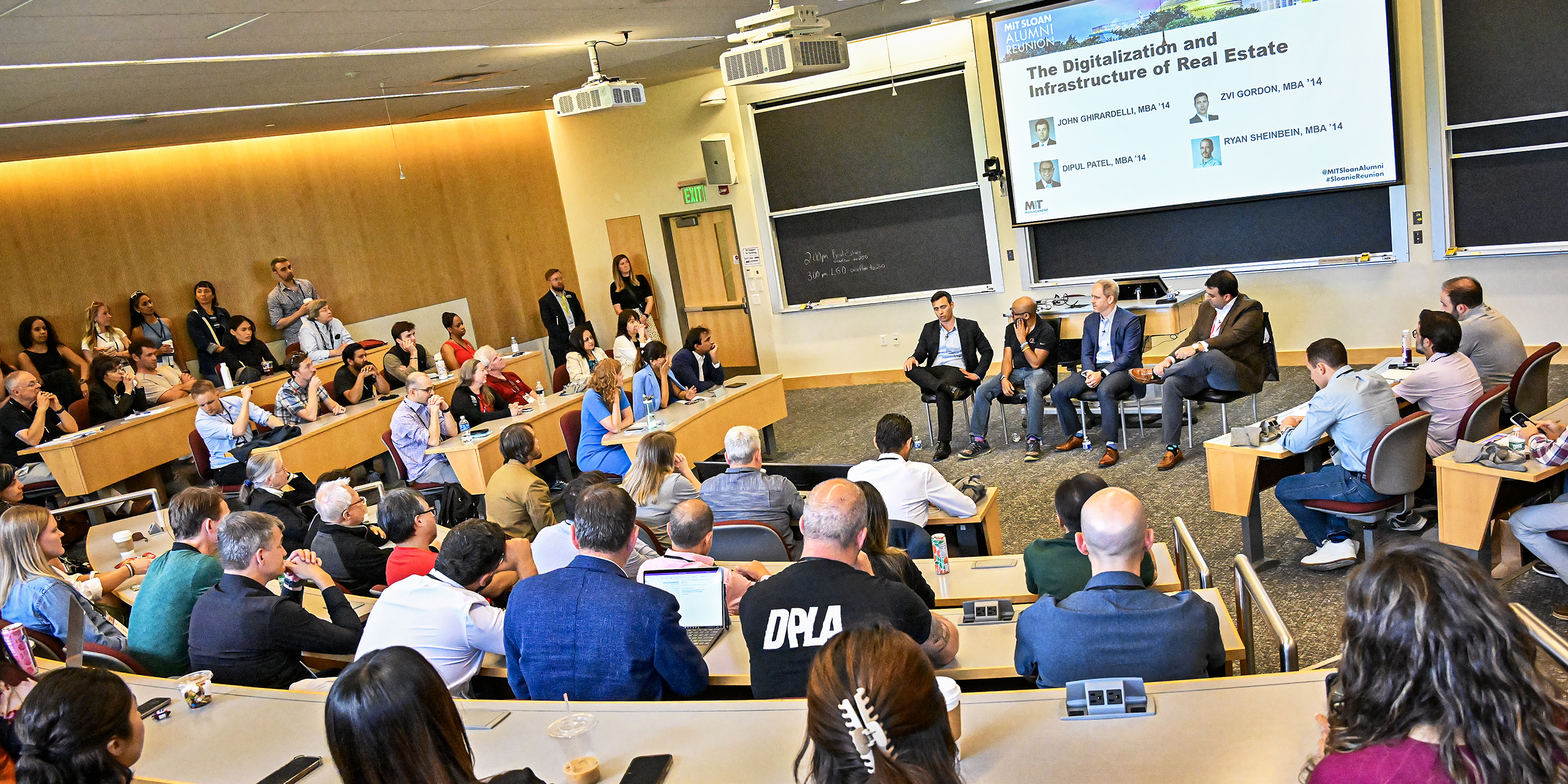 Real Estate: A New Game
The real estate industry is undergoing a transformation, moving beyond traditional residential and commercial spaces to include assets like data centers, cell phone towers, and renewable energy farms. “Real estate is really an industry of innovate or die,” said
Real Estate: A New Game
The real estate industry is undergoing a transformation, moving beyond traditional residential and commercial spaces to include assets like data centers, cell phone towers, and renewable energy farms. “Real estate is really an industry of innovate or die,” said 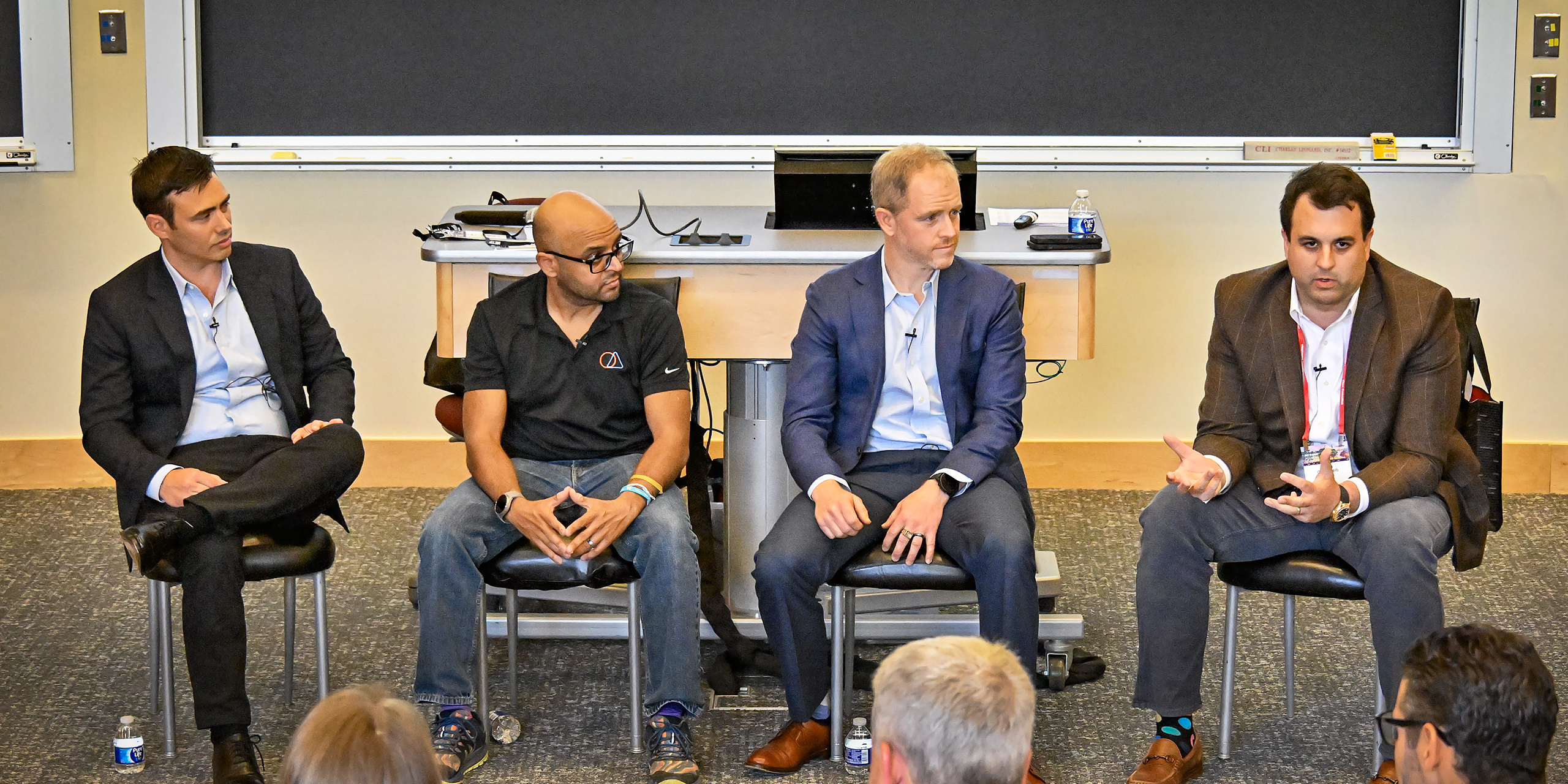 Conclusion
The insights shared at the
Conclusion
The insights shared at the