The Design Curriculum Analysis Program at Pratt Institute has emerged as a pivotal innovation in the assessment procedures of the Undergraduate Architecture department. Launched in the 2024-2025 academic year, this program introduces an engaging and critical evaluation process involving external critics, known as “Eminent Analysts”. These experts, chosen for their alignment with the academic year’s theme, are tasked with scrutinizing and enhancing the curriculum through their seasoned perspectives.
Each analyst is integrated into the studio’s culture, participating in midterm, final, and other significant reviews. Their role is not merely observational; they actively contribute to the studio’s dialogue, culminating in a presentation tailored to the studio’s focus. At the semester’s conclusion, a comprehensive feedback loop is established where the Analyst, studio coordinator, and department chairperson discuss insights and recommendations for future improvements.
This inaugural year has been marked by success, thanks in part to the diverse expertise of the 2024-2025 Analysts Cohort:
2024-2025 Analysts Cohort
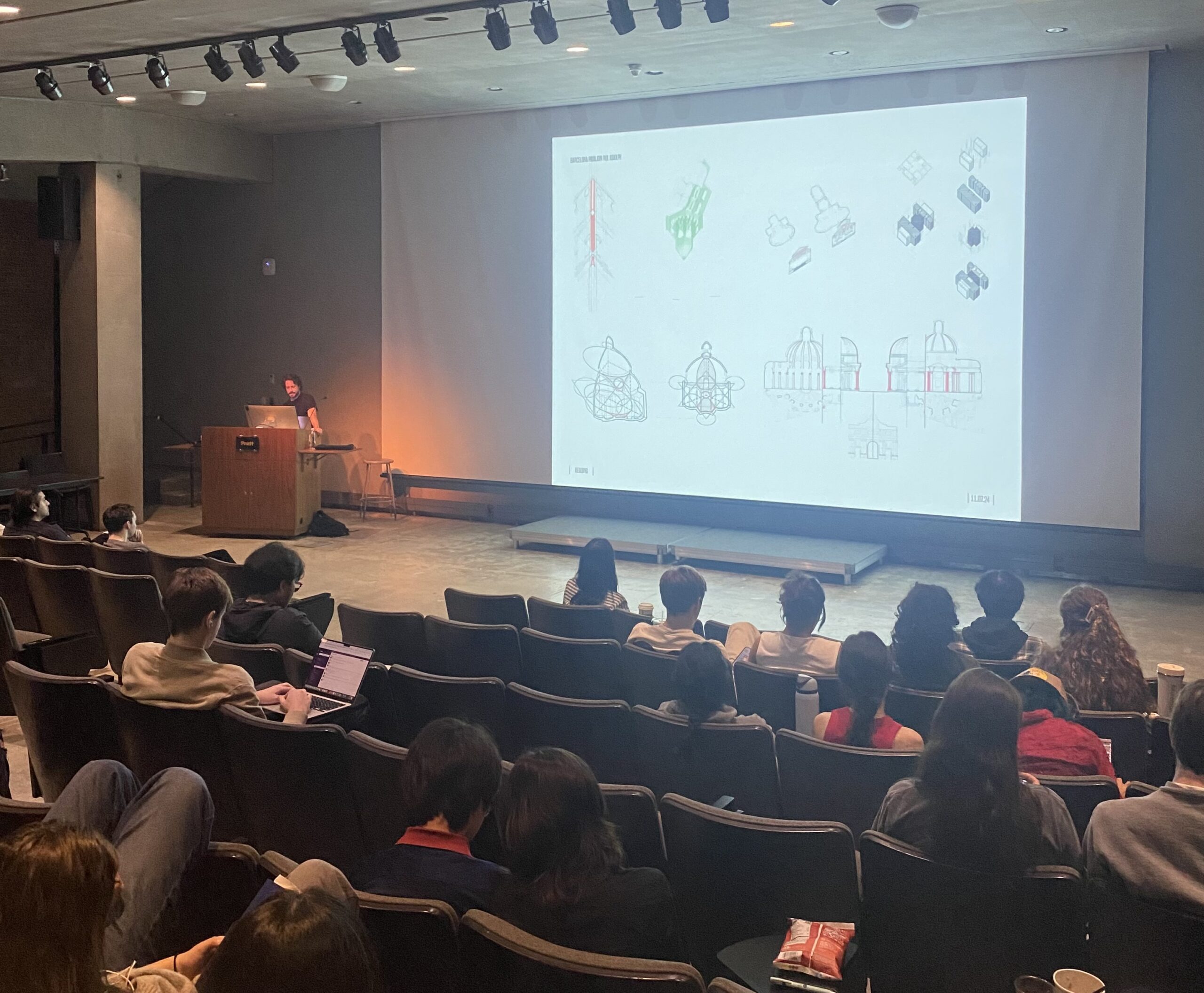
Fall Semester: First Year Analyst, Nate Hume
Nate Hume, a Brooklyn-based architect and principal of Hume Architecture, brings a wealth of experience. His work features in esteemed publications such as Project, Log, and The New York Times. Hume’s exhibitions have graced venues like The Druker Gallery and Yale Architecture Gallery. As the creator of Suckerpunch, a platform exploring contemporary architecture and art, Hume’s contributions have been invaluable.
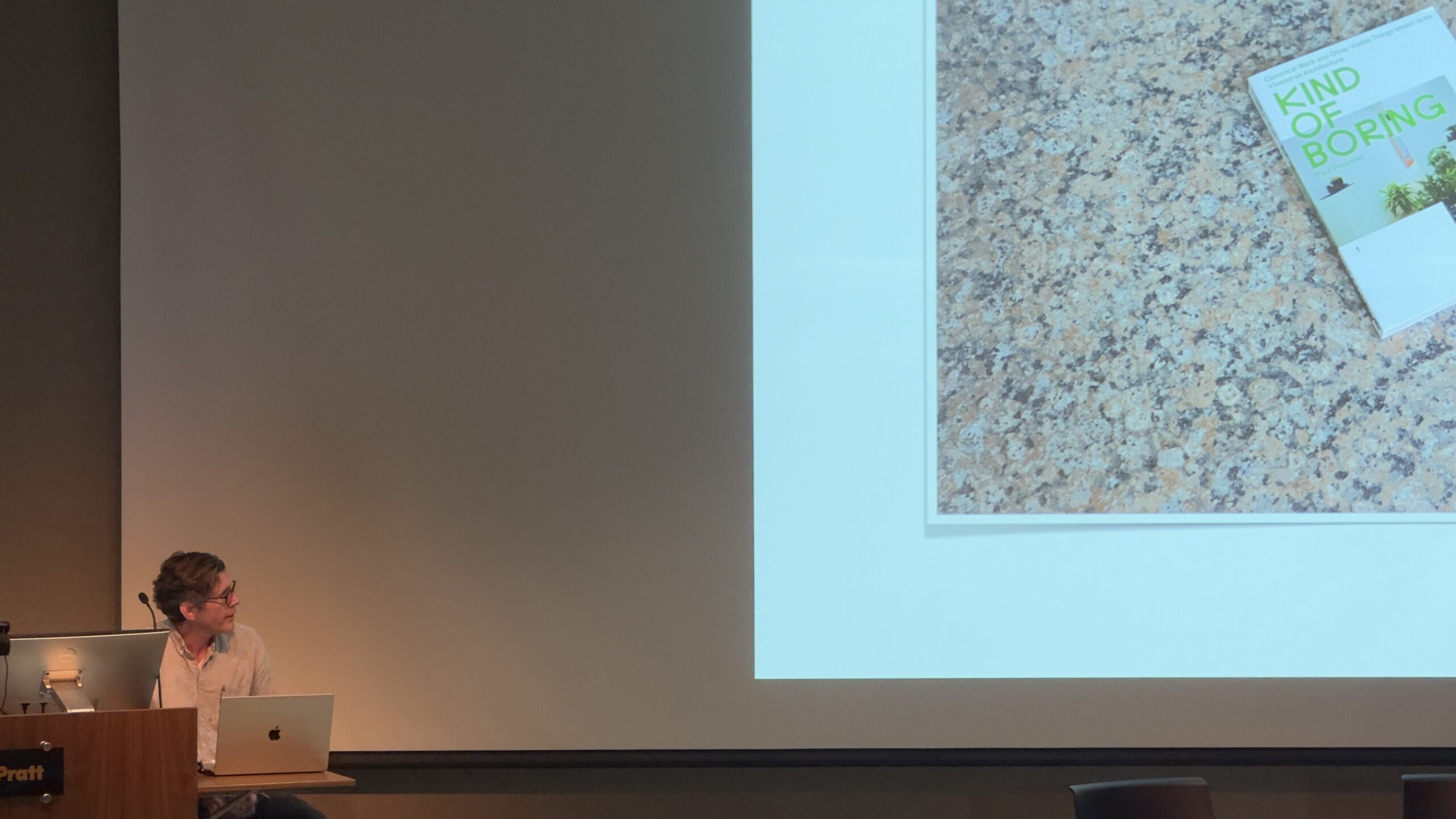
Fall Semester: Second Year Analyst, Paul Preissner
Paul Preissner, of Paul Preissner Architects in Oak Park, Illinois, served as commissioner and co-curator of the United States pavilion at the 17th International Architecture Exhibition – la Biennale di Venezia. His literary contributions include Kind of Boring: Canonical Work and Other Visible Things Meant to Be Viewed as Architecture and American Framing: The Same Something for Everyone.
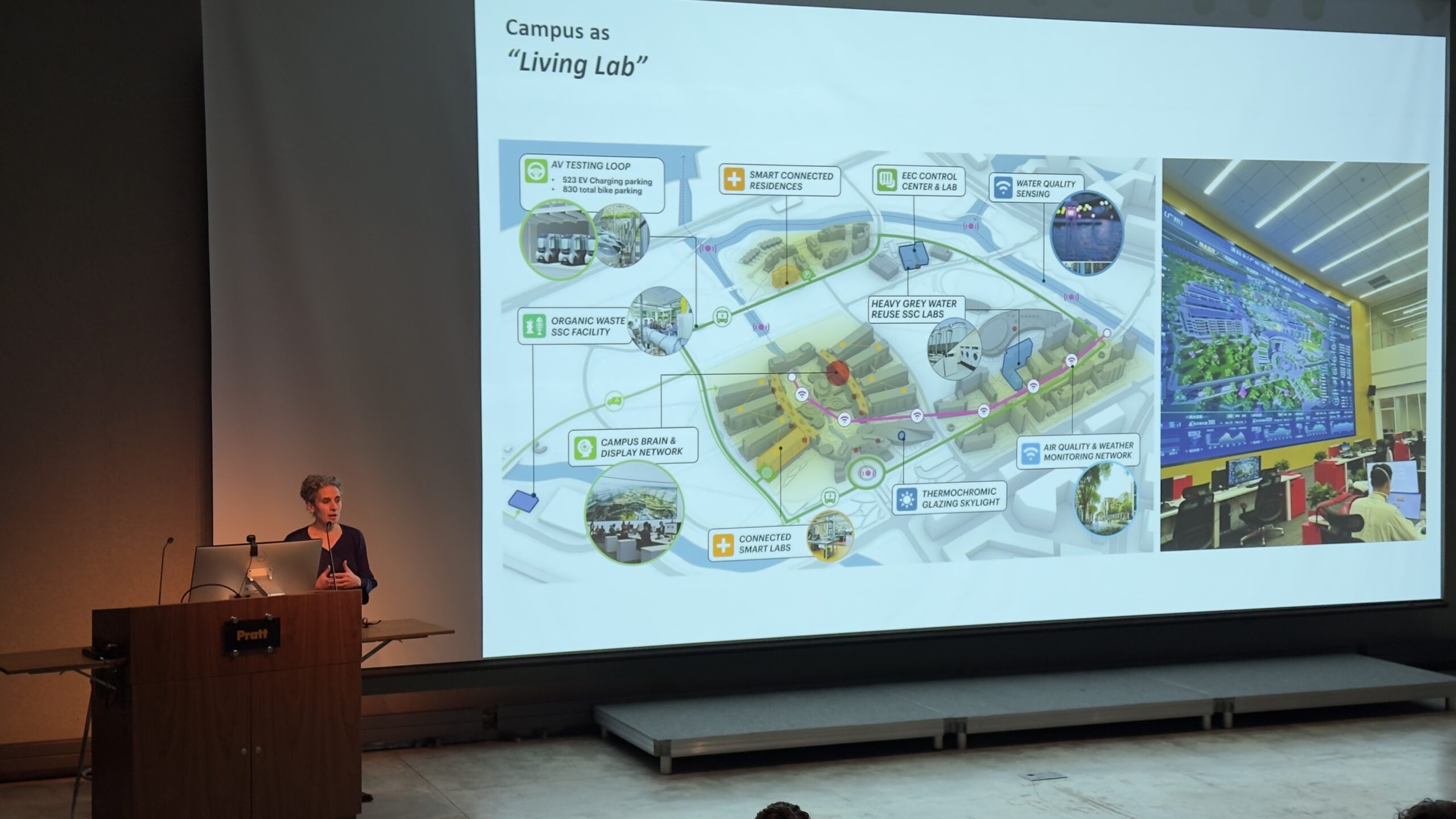
Spring Semester: Third Year Analyst, Hana Kassem
Hana Kassem, Principal at KPF, is renowned for her human-centric design approach. Her focus on sustainability, resiliency, and wellness is evident in her work and teaching at Parsons. She serves on the Van Alen Institute and the AIANY Board of Trustees and is the Founding Chair of the AIANY annual Leaning Out | Women in Architecture panel.
Spring Semester: Degree Project Analyst, Michael Young
Michael Young, an Associate Professor at The Irwin S. Chanin School of Architecture at the Cooper Union, is celebrated for his works, The Estranged Object and Reality Modeled After Images. His practice, Young & Ayata, boasts numerous accolades, including the Progressive Architecture award and the AIANY Honor Award.
For more detailed insights, visit the original article on Pratt Institute’s website. You can also explore more news from the School of Architecture and all Pratt news.
More Articles
Getting licensed or staying ahead in your career can be a journey—but it doesn’t have to be overwhelming. Grab your favorite coffee or tea, take a moment to relax, and browse through our articles. Whether you’re just starting out or renewing your expertise, we’ve got tips, insights, and advice to keep you moving forward. Here’s to your success—one sip and one step at a time!
Lofty has unveiled Lofty AOS, an autonomous AI operating system built to transform how real estate brokerages manage daily operations. Unlike traditional AI tools that wait for prompts, Lofty AOS uses coordinated AI agents to proactively run workflows—from lead management to social media posting—allowing agents to focus on revenue‑producing activities. Designed for control, compliance and seamless integration, this new system signals a major shift in how real estate professionals scale productivity in an increasingly tech‑driven market.
A national survey shows a major shift in how Americans approach estate planning, with 41% now turning to financial advisors before attorneys. Consumers increasingly expect advisors to guide not only wealth transfer, but also values, family communication, and preparing the next generation — creating a powerful opportunity for professionals across real estate, mortgage, insurance, and finance.
A new CBRE survey shows a strong surge in investor optimism as the commercial real estate market begins to stabilize after two turbulent years. Nearly all investors expect to buy the same or more property in 2026, with over half planning to increase their capital allocations. Dallas remains the nation’s top investment market, multifamily leads all asset classes, and moderate‑risk value‑add strategies dominate as confidence and capital return to the sector.
Conversational AI is changing the way real estate professionals create and market listing photos. Instead of waiting for perfect conditions or hiring photo editors, agents and property managers can now brighten rooms, remove clutter, change wall colors, or even virtually stage a space using simple text prompts. The technology helps listings hit the market faster, gives renters and buyers clearer first impressions, and supports more honest, transparent marketing through features like before‑and‑after sliders and edit labels. As AI becomes an essential skill in real estate and related industries, tools like these are redefining how professionals communicate a property’s true potential.
Artificial intelligence is transforming Des Moines’ finance and insurance sectors—home to giants like Wells Fargo, Principal, Nationwide, and Athene. With AI taking over routine quantitative work, the metro faces both economic disruption and new possibilities. While entry‑level roles may shrink, experts say human talent will shift toward strategy, client guidance, and innovation. The ripple effects extend far beyond office walls, raising questions about community vitality, future leadership pipelines, and how today’s professionals can stay competitive through upskilling and ongoing education.
The property management sector is undergoing rapid transformation driven by AI, IoT building systems, automation, and digital platforms. A new report from The Business Research Company projects the market will hit $33.93 billion by 2030, highlighting major shifts such as remote oversight tools, predictive maintenance, and cloud‑based solutions. Industry giants like IBM, Yardi, AppFolio, and JLL are leading the charge, while consolidation moves—such as MCB Real Estate’s acquisition of Pinkard Properties—signal continued expansion. Vacation rental tech is also accelerating, with unified platforms like Streamline One redefining short‑term rental operations. This evolving landscape underscores the growing need for skilled, tech‑savvy real estate professionals.